
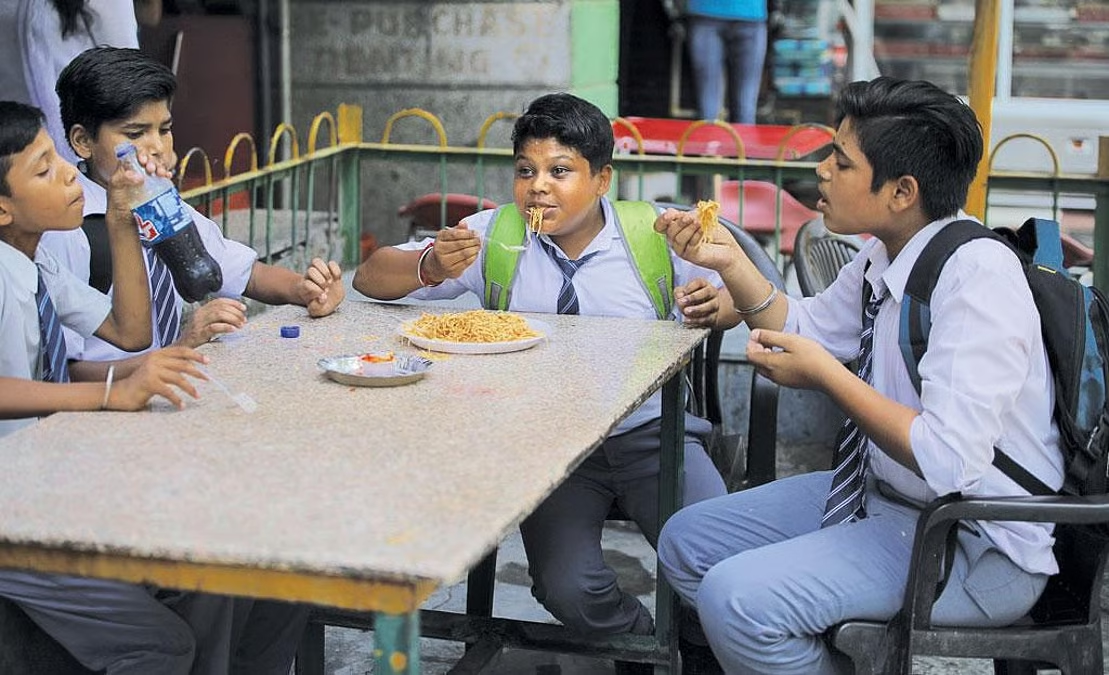
The Maharashtra Food and Drug Administration (FDA) has taken a significant step in the fight against childhood obesity by prohibiting the sale of chocolates, chips, sugary beverages, deep-fried snacks, and other foods high in fat, salt, and sugar (HFSS) within schools and a 50-metre radius of educational institutions. While healthcare experts have welcomed the initiative, they stress that the ban alone will not be enough to address the growing obesity crisis among children.
The directive, issued on July 26 , applies to government, aided, and private schools across the state. Schools have been instructed to remove unhealthy food items from their premises and instead promote nutritious alternatives such as fruits, vegetables, whole grains, pulses, and dairy products.
Rising Concern Over Childhood Obesity
The move comes at a time when childhood obesity is emerging as a major public health concern in India. According to the World Obesity Atlas 2026, nearly 41 million Indian children aged between 5 and 19 years are either overweight or living with obesity. Data from the National Family Health Survey (NFHS-5) also revealed that 4.3% of children under five in Maharashtra are overweight, higher than the national average of 3.4%.
Limiting Access to Unhealthy Foods
Medical experts believe the policy directly addresses one of the primary causes of childhood obesity easy access to calorie-rich, nutrient-poor foods during school hours. Processed snacks and sugary drinks often replace healthier meal choices, increasing the risk of obesity and related health conditions such as Type 2 diabetes, fatty liver disease, hypertension, and cardiovascular disorders.
Dr. Tushar Palve, Medical Superintendent at Cama and Albless Hospital, explained that foods high in fat, salt, and sugar contribute significantly to weight gain and metabolic disorders in children. He noted that removing such products from schools can help reduce exposure to these harmful dietary components during the six to seven hours children spend on campus each day.
Schools Play a Key Role in Shaping Food Habits
Experts also highlighted the importance of schools in influencing lifelong dietary behaviours. Dr. Aparna Govil Bhasker, bariatric and laparoscopic surgeon, described childhood obesity as one of today’s most pressing health challenges. She said that when unhealthy snacks and sugary drinks are readily available, they often become children’s preferred choices. Replacing them with healthier options can encourage better eating habits during critical developmental years.
Similarly, Dr. Anish Pillai, Lead Consultant in Neonatology and Paediatrics at Motherhood Hospitals, Kharghar, stated that limiting access to junk food while promoting nutritious alternatives can help children adopt healthier eating patterns from an early age.
Nutrition specialist Sonal Chandalia from Jaslok Hospital and Research Centre added that the widespread availability of packaged snacks has made them a convenient choice for students, often at the expense of healthier foods.
Effective Implementation Will Be Crucial
Healthcare professionals believe the success of the initiative will largely depend on how effectively it is implemented. Dr. Rahul Verma, Director of Paediatrics and Neonatology at Sir H.N. Reliance Foundation Hospital, pointed out that the order affects more than 1.08 lakh schools and nearly two crore students across Maharashtra.
He emphasized that the policy is more than a symbolic gesture, as it tackles both the availability and normalization of unhealthy eating habits. He also recommended mandatory FSSAI licensing for school canteens, regular inspections, and active promotion of healthier food choices.
A Broader Approach Is Needed
Despite supporting the ban, experts unanimously agree that schools alone cannot solve the childhood obesity problem. Dr. Bhasker stressed that healthy eating in schools must be complemented by nutritious home-cooked meals, increased fruit and vegetable intake, regular exercise, adequate sleep, and nutrition awareness.
She noted that children’s choices are heavily influenced by their environment, and lasting change will require making healthy options accessible and convenient in all aspects of daily life.
Doctors also pointed out that children continue to encounter unhealthy foods outside school through local shops, food delivery apps, advertisements, and family eating habits. Without support from parents, communities, and policymakers, children may simply consume junk food before or after school hours.
Global Evidence Supports Healthier School Food Policies
Research from around the world suggests that improving the school food environment can lead to healthier eating behaviours. A WHO-backed review of 74 studies found that restricting foods high in fat, salt, and sugar in schools increased the consumption of nutritious foods while reducing the intake of unhealthy snacks and sugary drinks.
Another analysis covering 91 school-based interventions reported greater fruit consumption and lower intake of sugary beverages among children exposed to healthier food policies, although reductions in obesity rates were less consistent due to the influence of eating habits outside school.
Several countries, including Brazil and Mexico, have already implemented restrictions on junk food and sugary drinks in schools. The United Kingdom has introduced strict school food standards, while many school districts in the United States have replaced high-calorie snacks and sugary beverages with healthier alternatives.
The Way Forward
Experts view Maharashtra’s junk food ban as a welcome and necessary step toward improving children’s health. However, they emphasize that its long-term success will depend on coordinated efforts involving schools, families, healthcare professionals, and policymakers to create an environment where healthy eating and active lifestyles become the norm.