


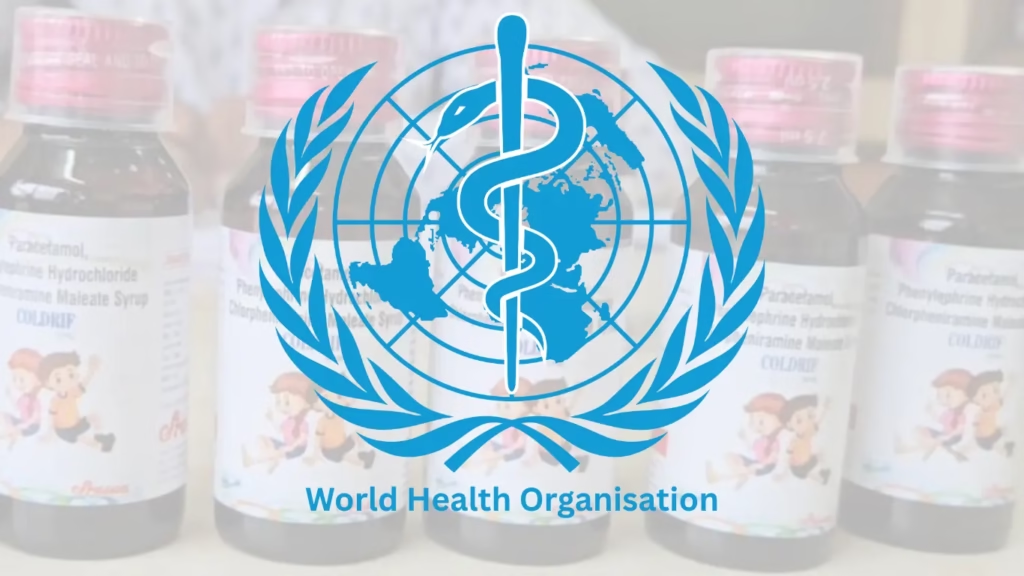
The World Health Organisation said it is closely monitoring the situation in India following the deaths of 20 children in Madhya Pradesh and Rajasthan, reportedly linked to contaminated cough syrups.
In a statement, WHO said it has been in communication with the Central Drugs Standard Control Organisation (CDSCO), which confirmed that none of the tainted products were exported outside India. Expressing condolences to the families of the deceased, the agency said, “These reports, which have emerged during the week of 29 September, describe symptoms consistent with acute renal failure and acute encephalitis syndrome, suspected to be associated with oral syrup medicines.”
WHO said it is “deeply saddened by the fatalities” and “stands ready to support national authorities in investigating and responding to these tragic events.”
On October 8, WHO received confirmation from CDSCO that Diethylene Glycol (DEG) a toxic industrial chemical was found in at least three oral syrups consumed by affected children. The products were identified as Coldrif, Respifresh TR, and ReLife, with DEG concentrations of 48.6%, 1.342%, and 0.616% respectively. CDSCO has recalled these medicines and ordered the manufacturers to halt production.
WHO said it has not yet received official information about the source of the contamination or whether the same raw materials may have been used in other medicines. The agency expressed concern about potential risks if contaminated products were exported through unregulated channels and highlighted regulatory gaps in DEG/EG screening for domestically marketed drugs.
The organisation added that it will assess the need to issue a Global Medical Products Alert for Coldrif once it receives complete information from Indian authorities.
WHO also reiterated that Diethylene Glycol (DEG) and Ethylene Glycol (EG) are toxic industrial solvents and antifreeze agents that can be fatal even in small quantities, particularly for children.
The deaths, which occurred mostly in Madhya Pradesh’s Chhindwara district, have once again drawn global attention to India’s pharmaceutical safety standards. According to WHO, since 2002, multiple outbreaks of DEG and EG contamination in syrups have been reported worldwide, with many victims being children.
Since October 2022, the agency has issued seven global alerts concerning contaminated paediatric oral medicines, as well as two alerts on falsified bulk chemicals posing as pharmaceutical-grade ingredients.
WHO said it continues to work with the Indian Pharmacopoeia Commission through the South-East Asia Regulatory Network to strengthen regional testing capacity for DEG and EG. It noted that a joint WHO UNODC report released in July 2025 underscored the persistent threat of toxic contamination in medicines across low- and middle-income countries.
“WHO remains committed to supporting India in safeguarding public health and ensuring the safety of medical products,” the statement concluded.