


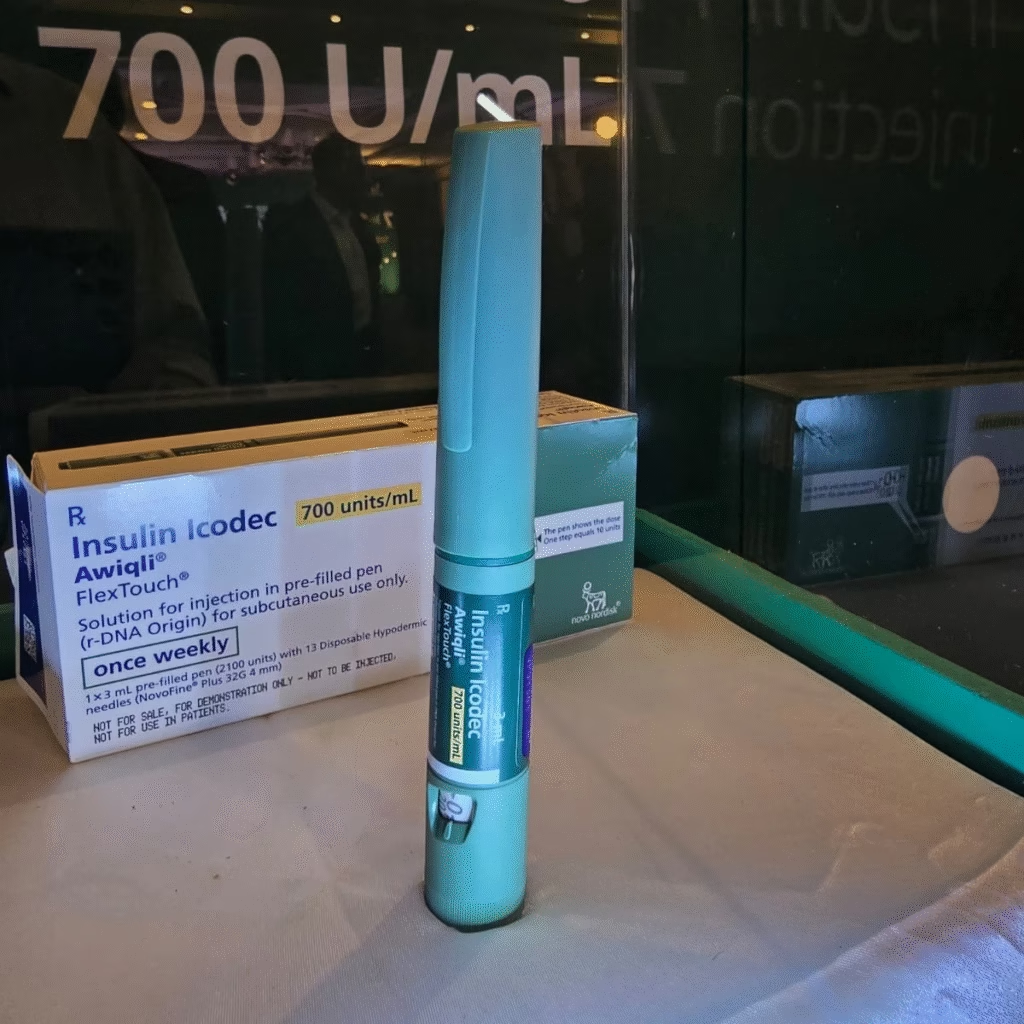
India has introduced the world’s first once-weekly insulin injection, marking a significant advancement in diabetes management. Danish pharmaceutical company Novo Nordisk has launched insulin icodec under the brand name Awiqli, providing people with diabetes a long-acting insulin that requires just one injection every week instead of daily doses.
Priced at approximately ₹261 per week, the therapy aims to improve convenience and encourage better adherence to insulin treatment among patients who struggle with daily injections.
A New Approach to Long-Acting Insulin
Insulin icodec has been engineered to remain active in the body for an entire week. Scientists achieved this by attaching a fatty acid chain that allows the insulin to bind with albumin, a naturally occurring blood protein. This creates a temporary storage reservoir from which insulin is gradually released into the bloodstream over seven days.
Additionally, modifications to the insulin molecule reduce how quickly it binds to insulin receptors, allowing the hormone to work steadily throughout the week without compromising its effectiveness.
According to Novo Nordisk India Managing Director Vikrant Shrotriya, the innovation reduces the annual number of insulin injections from 365 to just 52, making insulin therapy significantly more convenient.
Designed to Improve Treatment Adherence
Healthcare experts believe the once-weekly formulation could help address one of the biggest challenges in diabetes care poor adherence to insulin therapy.
Many patients with Type 2 diabetes delay starting insulin despite inadequate blood sugar control with oral medications. Physicians say this hesitation often results in prolonged high blood glucose levels, increasing the risk of complications affecting the heart, kidneys, eyes and nerves.
Experts note that simplifying treatment with fewer injections may encourage more eligible patients to begin insulin therapy at the appropriate time.
Who Can Benefit?
The new weekly insulin is primarily intended for:
- People with Type 2 diabetes whose blood glucose remains uncontrolled despite maximum doses of oral medicines.
- Individuals with Type 1 diabetes as a basal (background) insulin, although they will still require rapid-acting insulin around mealtimes.
Endocrinologists suggest the greatest benefit is likely to be seen among people with Type 2 diabetes, as they can replace daily basal insulin injections with a single weekly dose while continuing other prescribed medications.
Comparable Safety Profile
The most frequently reported side effect is hypoglycaemia (low blood sugar), which remains the most common concern with insulin therapy in general. Specialists say the incidence appears comparable to existing daily long-acting insulin products.
Doctors also point out that episodes of low blood sugar often become noticeable when blood glucose levels improve significantly after effective treatment.
Pricing and Availability
Awiqli will be available in pre-filled injection pens in two strengths:
- 700 units/mL priced at ₹2,611
- 2,100 units/mL priced at ₹7,883
Since many patients require roughly 70 units per week, the average treatment cost works out to around ₹261 weekly, making it competitively priced compared with currently available long-acting insulin analogues.
Potential Use Alongside GLP-1 Medicines
The weekly insulin can also be used with GLP-1 receptor agonists, medicines increasingly prescribed for Type 2 diabetes and obesity.
Doctors explain that GLP-1 therapies improve insulin sensitivity by reducing body weight and abdominal fat, potentially lowering insulin requirements. A weekly insulin schedule may also improve treatment adherence for patients using both therapies.
Growing Need in India
India is home to an estimated 101 million people living with diabetes, while another 136 million have prediabetes. Although many patients initially manage their condition with oral medicines, specialists estimate that 20-30% may eventually require insulin therapy as the disease progresses.
Experts believe the convenience of a once-weekly injection could encourage wider acceptance of insulin treatment and improve long-term diabetes management across the country.