


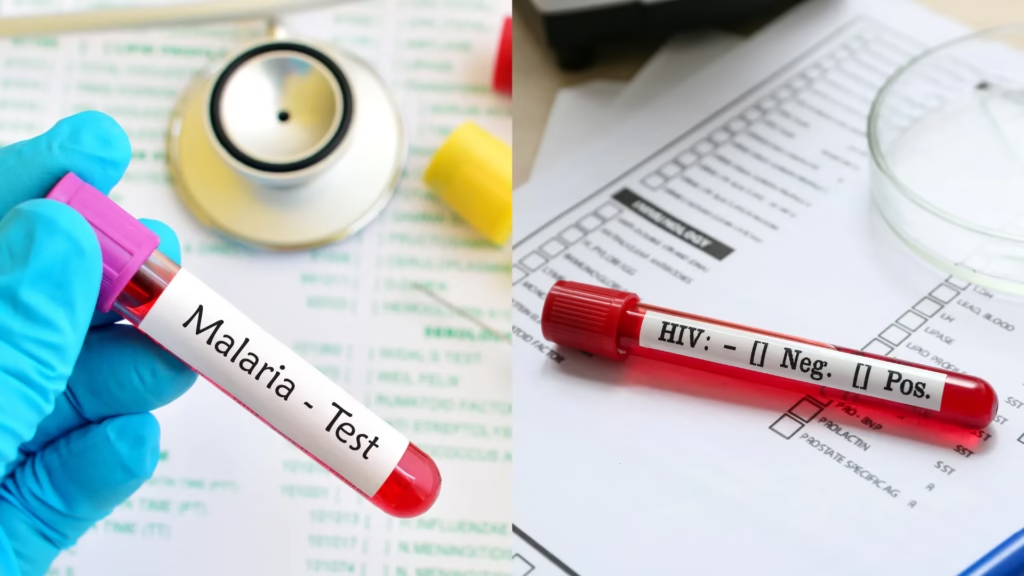
Donald Trump President of the United States is reorganising its system for delivering critical medical supplies for diseases such as HIV and malaria to low‑income countries, a move that experts warn could disrupt life‑saving services. Multiple sources and internal communications suggest the transition may create fresh gaps in global health delivery. Until now, aid distribution was managed through the Global Health Supply Chain Program, run by contractor Chemonics, which supplied over $5 billion worth of HIV and malaria products to nearly 90 countries between 2016 and 2024.
The programme was halted after Donald Trump froze foreign aid at the start of his presidency last year, leaving large volumes of medicines and supplies stranded. Although limited operations resumed under waivers for essential items, uncertainty has persisted. The overhaul is part of a broader shift that includes dismantling the United States Agency for International Development (USAID) structure.
The overhaul is part of a broader shift that includes dismantling the United States Agency for International Development, cutting budgets, and replacing contractor-led systems with direct agreements between the US and recipient countries. Officials have now instructed teams in 17 African countries and Haiti to stop implementing the programme by 30 May, with the Chemonics contract ending in September. Health experts warn the rapid transition could lead to shortages of vital medicines. Talks are reportedly under way with the Global Fund to Fight AIDS, Tuberculosis and Malaria to take over supply operations, though concerns remain about the tight timeline for such a shift.
The US government says the changes aim to cut inefficiencies and prioritise direct support under its “America First” health strategy. However, early disruptions including shortages of malaria drugs and gaps in HIV prevention have already been observed, while several bilateral agreements remain under negotiation or face difficulties.