The United States, Mexico and Bolivia have lost their measles elimination status after the virus continued to circulate within their borders for at least 12 consecutive months, according to the Pan American Health Organization (PAHO). The decision marks a significant setback for public health efforts in the Americas, which had previously achieved regional measles elimination twice.
The announcement was made following the sixth annual meeting of PAHO’s Regional Monitoring and Re-Verification Commission (RVC), held from November 10 to 13, 2026. The commission reviewed epidemiological and laboratory evidence from 47 reporting countries and territories before concluding that endemic measles transmission had been re-established in the three countries.
Three Countries Lose National Elimination Status
The commission identified the following periods of sustained measles transmission:
- United States: Outbreak began on January 20, 2025, reaching the 12-month threshold on January 20, 2026.
- Mexico: Outbreak began on February 1, 2025, reaching the threshold on February 1, 2026.
- Bolivia: Outbreak began on April 16, 2025, reaching the threshold on April 16, 2026.
The loss of elimination status means that the same measles virus strain has circulated continuously for at least 12 months, indicating the re-establishment of endemic transmission. It does not mean that every region within these countries is experiencing an outbreak.
US Records More Than 5,000 Cases
The United States is experiencing its worst measles outbreak in decades. State health authorities have reported more than 5,400 cases and 10 measles-associated deaths, with the outbreak raising concerns among public health experts and medical professionals.
The decision formally ends the country’s 26-year record of measles elimination.
Health experts have expressed concern over declining vaccination coverage, misinformation and gaps in public health interventions. Dr Jon Andrus, chair of the PAHO advisory committee that recommended the change in status, described the decision as an emotional setback after decades of efforts to eliminate the disease.
US Health Secretary Robert F Kennedy Jr said the administration would work to stop outbreaks, protect families and regain measles elimination status. He also reiterated that the MMR vaccine remains the most effective method of preventing measles.
Americas Had Regained Elimination Status in 2024
The Americas first achieved regional measles elimination in 2016 and regained the status in 2024 following the interruption of transmission in Brazil and Venezuela.
However, the region lost its verification as free from endemic measles transmission in November 2025 after Canada experienced more than 12 months of continuous transmission.
The latest decision adds the United States, Mexico and Bolivia to the countries that have lost their national elimination status. Canada has since successfully stopped the transmission chain responsible for its loss of status, although it must demonstrate 12 consecutive months without transmission before it can regain verification.
Measles Cases and Deaths Rise Across the Americas
According to PAHO data as of November 6, 2026, a total of 58,213 measles cases and 114 deaths have been reported across the Americas during the year.
The countries reporting the highest number of cases include:
- Guatemala: 34,860 cases
- Mexico: 13,796 cases
- United States: 5,182 cases
- Peru: 2,928 cases
- Canada: 1,126 cases
People aged 20-29 years account for the highest proportion of reported cases, while children below one year have recorded the highest incidence. Most reported deaths have occurred among children under five.
Declining Vaccination Coverage Raises Concerns
PAHO identified declining vaccination coverage, accumulated immunity gaps, vaccine hesitancy, misinformation and barriers to healthcare access as major factors contributing to the resurgence.
In 2025, regional routine vaccination coverage reached 88% for the first dose and 85% for the second dose of measles vaccine, remaining below the recommended 95% target.
Approximately 1.6 million one-year-old children in the region had not received any measles vaccine, while another 400,000 had received only one dose.
International travel and population movements have also increased the risk of introducing measles into communities with insufficient immunity.
Global Measles Resurgence Continues
The resurgence is not limited to the Americas. According to the information provided by PAHO and WHO, six countries in the European Region – Armenia, Austria, Azerbaijan, Spain, the United Kingdom and Uzbekistan – also lost their measles elimination status in January 2026.
WHO estimated that approximately 95,000 people died from measles worldwide in 2024, most of them unvaccinated or under-vaccinated children below five years of age.
Global vaccination coverage also remains below the levels required to prevent outbreaks. In 2025, approximately 84% of children received their first dose of measles vaccine, while 77% completed the vaccination course.
What Is Required to Regain Elimination Status?
Countries seeking to regain measles elimination status must demonstrate that endemic transmission has been interrupted for at least 12 consecutive months and establish effective systems to prevent its re-establishment.
PAHO has identified three essential areas of action:
1. Strengthening vaccination: Countries need to achieve and maintain at least 95% coverage with two doses of measles-containing vaccine in every community. Catch-up vaccination campaigns are also required to reach individuals who missed routine immunisation.
2. Improving surveillance: Epidemiological and laboratory surveillance must be strengthened to identify suspected cases, investigate transmission chains and monitor the spread of the virus through genetic sequencing.
3. Rapid outbreak response: Health authorities must ensure prompt case detection, contact tracing, targeted vaccination and infection prevention measures. PAHO recommends initiating outbreak response measures within 72 hours of notification of a suspected case.
PAHO is also providing technical assistance, supporting vaccination campaigns, improving genomic surveillance and helping countries develop corrective action plans.
Vaccination Remains the Primary Preventive Measure
Health authorities have urged individuals and families to verify their vaccination records and ensure that children receive the recommended two doses of measles-containing vaccine.
People planning international travel to areas reporting active transmission should ensure they are fully vaccinated before departure. Infants aged 6-11 months travelling to affected areas may require an additional early dose, which does not replace the routine vaccination schedule.
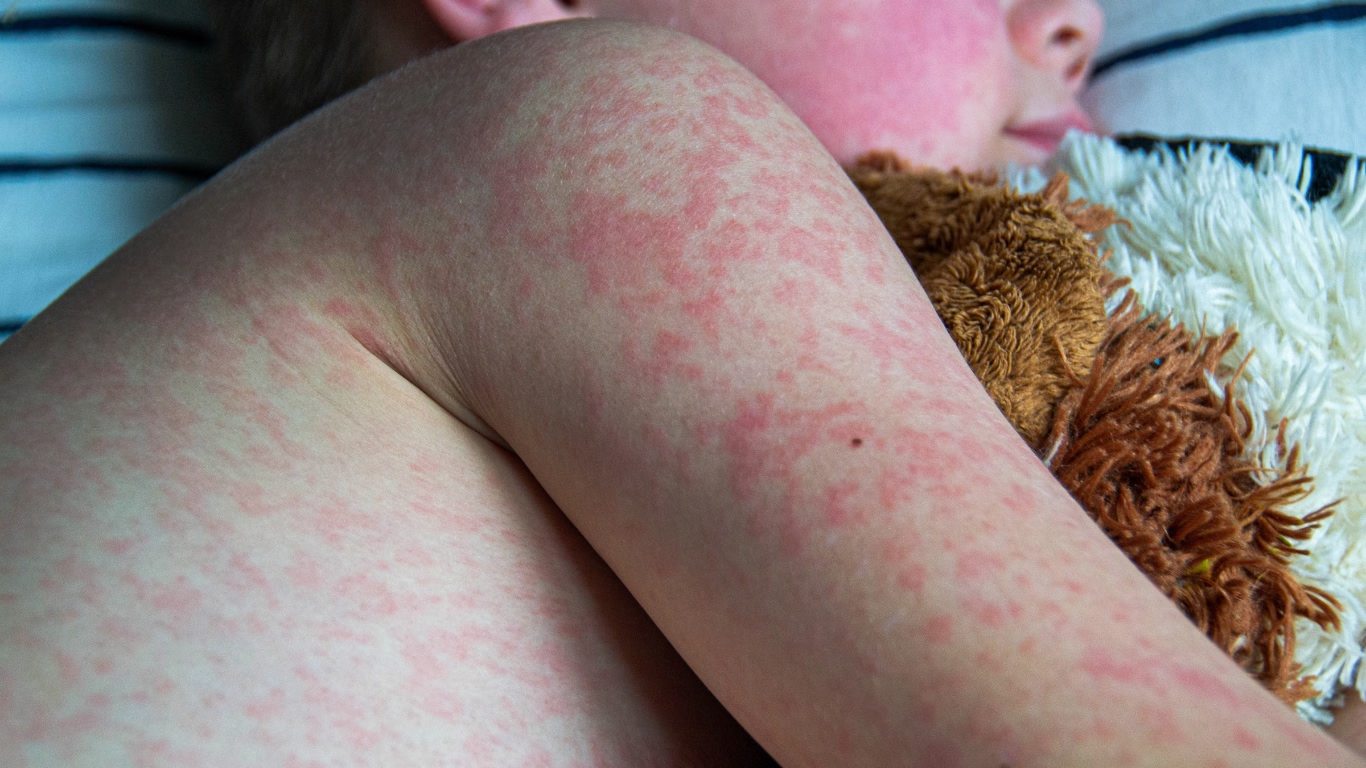
Individuals developing symptoms such as fever and rash should contact a healthcare provider before visiting a healthcare facility to reduce the risk of exposing others.
The loss of elimination status is not permanent. However, the latest developments highlight the need for sustained vaccination programmes, effective disease surveillance and coordinated public health responses to prevent further transmission.