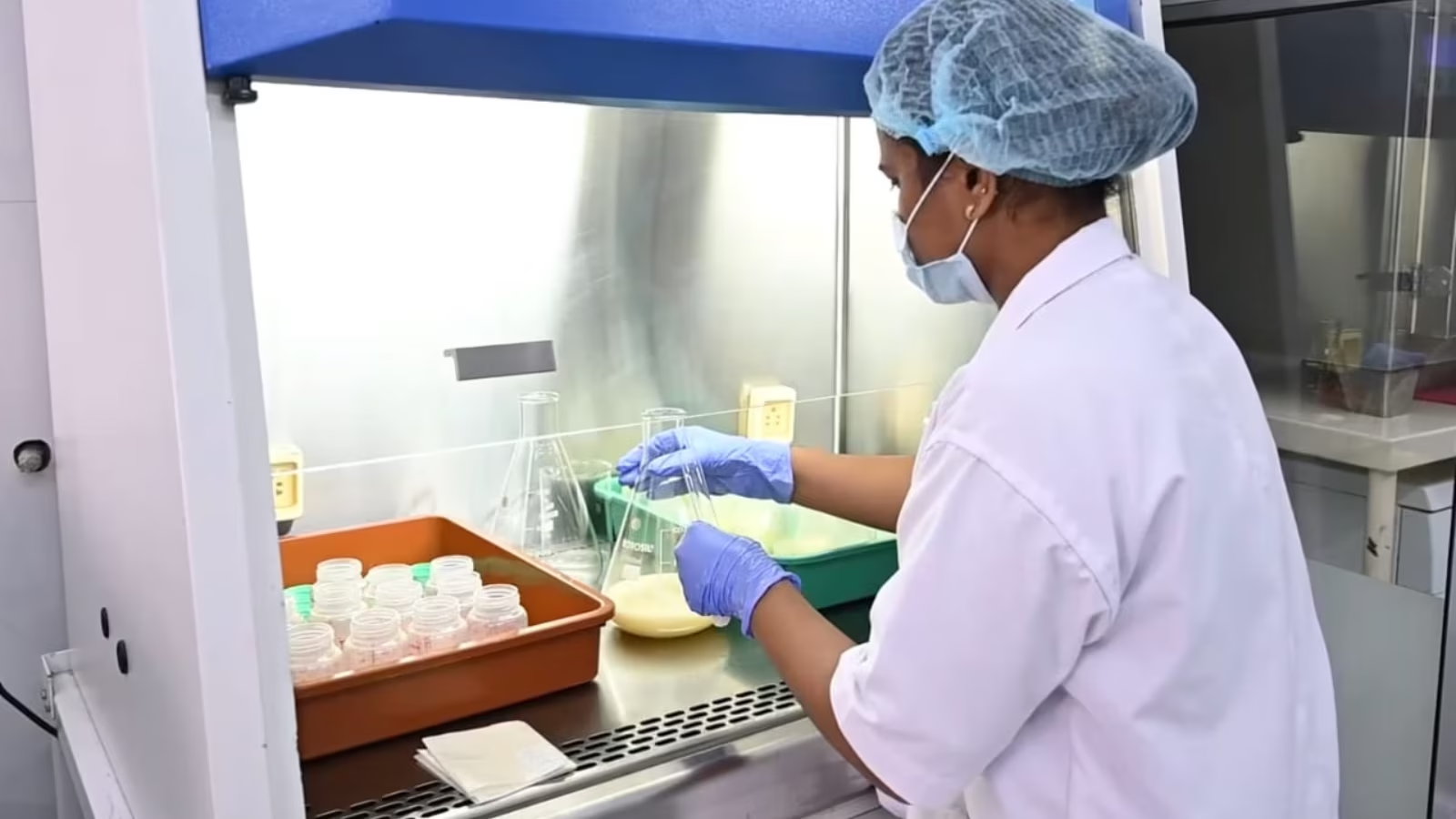

A new scientific investigation has detected the presence of uranium (U-238) in the breastmilk of lactating mothers in multiple districts of Bihar a finding that has prompted concern among health experts and calls for urgent state-level action.
The study, carried out by researchers from several institutions, analysed breastmilk samples from 40 women and found traces of uranium in every single sample. While the detected concentrations were within internationally accepted limits, experts warn that infants could still face non-carcinogenic health risks.
Dr. Ashok Sharma of AIIMS Delhi, a co-author of the research, said the team observed that 70% of the infants assessed recorded a Hazard Quotient (HQ) above 1, signalling a possible risk from uranium exposure. Despite this, he emphasised that the overall uranium levels ranging between 0 and 5.25 micrograms per litre were not high enough to cause immediate or severe health impact.
“The highest average concentration was found in Khagaria, while the single highest reading came from Katihar,” Dr. Sharma noted. “Long-term uranium exposure can influence kidney and neurological development and could potentially affect cognitive outcomes. Yet, given the low concentration in breastmilk, the expected real-world impact on infants remains minimal.”
He reaffirmed that breastfeeding remains the safest and most beneficial nutrition source, as most uranium consumed by mothers is flushed out through urine rather than transferred into their milk.
The research group has announced plans to expand similar assessments to other states. “Heavy metal contamination is becoming a major public health issue. We are in the process of evaluating data from additional regions,” Dr. Sharma said.
Researchers to Brief Bihar Leadership on Findings
Dr. L. B. Singh, Medical Superintendent at Mahavir Cancer Institute and part of the research team, said the experts will soon meet Chief Minister Nitish Kumar and Health Minister Mangal Pandey to discuss potential mitigation measures.
Speaking to media, Dr. Singh said, “All 40 mothers tested showed uranium in their breastmilk. Fortunately, the levels were low, but if the concentration rises, it could lead to serious consequences. Uranium in the bloodstream has been linked to kidney complications, impaired bone growth, mental illnesses, and even cancer.”
He urged lactating mothers to ensure safe drinking water, preferably mineral water, and maintain healthy dietary habits with fresh fruits and vegetables.
Why Uranium Is Showing Up
Uranium is a naturally occurring element often found in granite-rich landscapes. It can seep into groundwater due to geological processes or through human activities such as mining, coal burning, industrial waste, and the use of phosphate-based fertilisers.
India has recorded uranium contamination in groundwater across 151 districts in 18 states, with Bihar showing about 1.7% of groundwater sources affected.
Globally, elevated uranium levels have been documented in countries like Canada, the US, Finland, Sweden, Switzerland, the UK, China, Bangladesh, Korea, Pakistan, Mongolia, and regions along the Mekong Delta. In many cases, however, clear clinical effects in exposed populations have been inconsistent.
Call for Broader Surveillance
Dr. Sharma added that earlier studies by the same team had already identified arsenic, lead, and mercury in breastmilk samples. Building on that work, the researchers are now preparing to examine pesticide and environmental pollutant exposure in mothers and infants.
The study stresses that while immediate health threats may be low, regular biomonitoring of uranium and other contaminants in Bihar is essential to protect vulnerable infants and guide public health interventions.