


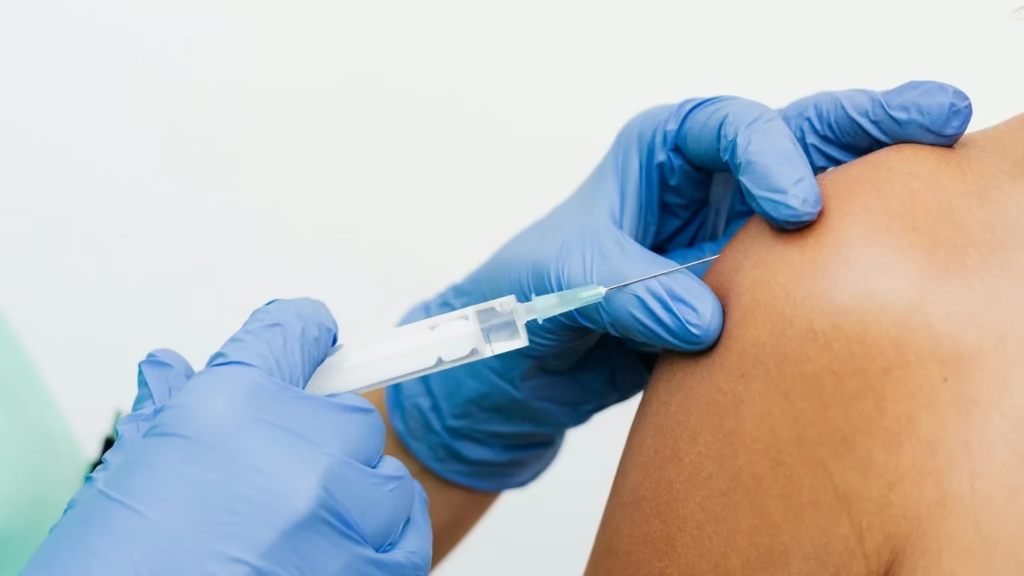
The Uttar Pradesh health department has introduced ferric carboxymaltose (FCM), a single-dose intravenous iron treatment, to address anaemia among pregnant women and strengthen efforts to reduce preventable maternal deaths.
Pinky Jowel, Mission Director of the National Health Mission (NHM), Uttar Pradesh, said the rollout followed a pilot programme conducted in five districts: Sitapur, Hardoi, Rae Bareli, Jalaun and Bahraich. More than 20,000 doses were administered during the pilot, she said on Friday.
The treatment is intended for pregnant women who struggle to take iron-folic acid (IFA) tablets regularly because of side effects or adherence difficulties, as well as those requiring faster correction of iron deficiency, subject to clinical assessment.
Single-dose treatment to reduce repeated hospital visits
Health officials said FCM offers an alternative to iron sucrose, which generally requires multiple administrations to complete a course of treatment. The single-session approach could reduce repeated visits to health facilities, particularly for women living in rural and remote areas.
Following the pilot, the state health department included FCM in its essential medicines list. The move is expected to support procurement and availability at public health facilities. The department also plans to train doctors and staff nurses and raise awareness among pregnant women about the treatment.
Anaemia remains a concern in maternal health
Anaemia can reduce a woman’s ability to tolerate blood loss during childbirth and increase the risk of serious complications. A report titled The Missing Evidence: Anaemia, Postpartum Bleeding and Maternal Death, published by the Anaemia Action Alliance formed by WHO and UNICEF, highlights the link between anaemia, postpartum bleeding and maternal mortality.
The Diet and Biomarkers Survey in India (DABS-I), conducted by the ICMR–National Institute of Nutrition, estimates anaemia prevalence among adolescent girls and adult women at 39% to 42%.
According to the Union Health Ministry’s Anaemia Mukt Bharat operational framework and findings from clinical maternal death audits, anaemia is estimated to contribute directly or indirectly to 40% to 50% of maternal deaths.
In Uttar Pradesh, Maternal Death Surveillance and Response (MDSR) records identify severe anaemia as the direct cause in approximately 7% to 19% of cases. Hospital reviews have also indicated that more than half of women who died had haemoglobin levels below 7 g/dL at admission.
The state government’s latest intervention aims to improve access to iron treatment and strengthen anaemia management during pregnancy as part of broader maternal health efforts.