


Superbugs: Screening in Hospitals Can Help Combat the Threat
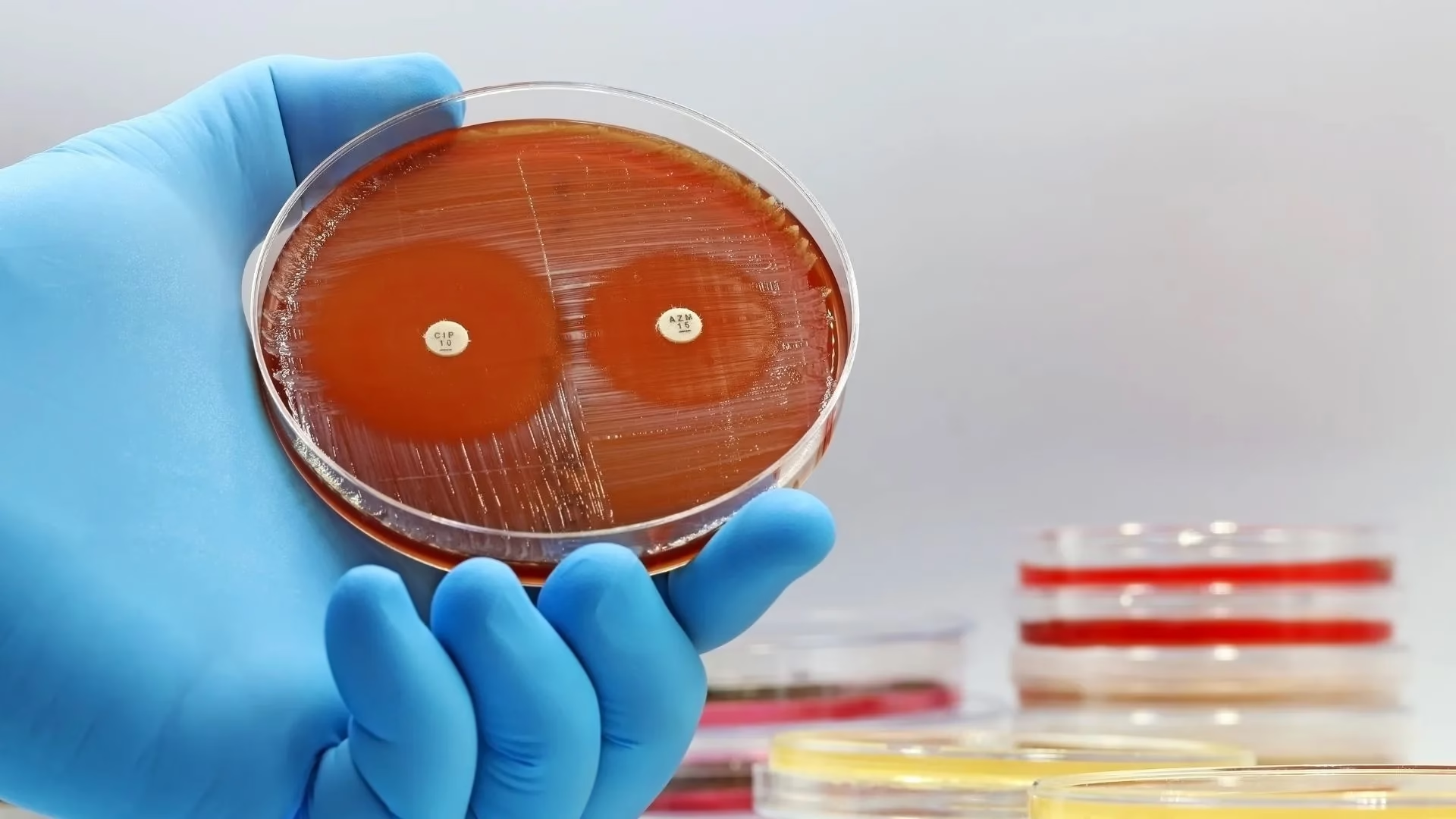
Superbugs—bacteria that have developed resistance to multiple antibiotics—pose a significant threat to public health worldwide. With their ability to cause severe infections and complications, these resistant strains are increasingly prevalent in healthcare settings, making effective screening in hospitals crucial for patient safety and infection control. Recent studies emphasize the importance of early detection of superbugs through comprehensive screening measures to mitigate their spread and protect vulnerable populations.
https://hospitalnews.com/screening-superbugs-era-antimicrobial-resistance/
Superbugs can arise from various factors, including the overuse and misuse of antibiotics, poor infection control practices, and inadequate sanitation in healthcare facilities. Common examples include methicillin-resistant Staphylococcus aureus (MRSA), vancomycin-resistant Enterococcus (VRE), and multidrug-resistant Gram-negative bacteria. These pathogens can lead to difficult-to-treat infections, longer hospital stays, and increased mortality rates.
The need for effective screening has become more pressing as antibiotic resistance continues to rise. Hospitals are often breeding grounds for these superbugs, where patients with weakened immune systems are at higher risk. Implementing routine screening protocols for high-risk patients can help identify infections early, allowing for timely intervention and treatment. This proactive approach can significantly reduce the transmission of superbugs within healthcare facilities.
A recent initiative in several hospitals has demonstrated the benefits of screening programs. Hospitals have started using advanced molecular techniques to quickly identify the presence of resistant bacteria in patients. These techniques allow for rapid testing of samples from patients, leading to faster diagnosis and the ability to initiate appropriate antibiotic therapy. By identifying superbugs early, healthcare providers can implement targeted infection control measures, such as isolating affected patients and enhancing cleaning protocols.
In addition to immediate patient benefits, effective screening has broader implications for public health. Reducing the prevalence of superbugs in hospitals can help prevent their spread to the community. Antibiotic-resistant infections can lead to significant healthcare costs, not only from extended hospitalizations but also from increased morbidity and mortality. By investing in screening and infection prevention strategies, hospitals can ultimately decrease the economic burden associated with superbug infections.
Collaboration among healthcare professionals is vital in successfully implementing screening programs. Infection control teams, microbiologists, and clinicians must work together to develop protocols that meet the specific needs of their institutions. Training staff on proper screening techniques and the importance of antibiotic stewardship can foster a culture of safety and awareness. This collaborative approach can enhance the effectiveness of screening efforts and lead to better patient outcomes.
Moreover, patient education plays a critical role in combating superbugs. Empowering patients to understand the importance of antibiotic use and infection prevention can encourage them to engage actively in their healthcare. Informing patients about the risks associated with superbugs and the significance of screening can promote adherence to infection control practices.
As technology advances, the future of superbug screening looks promising. Innovations in rapid diagnostic testing are emerging, making it possible to detect resistant bacteria more efficiently. Integrating these technologies into hospital workflows can streamline the screening process and enhance patient care. Furthermore, data collected from screening efforts can inform public health policies and help track resistance patterns in the community.
In conclusion, superbugs represent a formidable challenge in healthcare settings, but effective screening can be a powerful tool in the fight against antibiotic resistance. By identifying resistant bacteria early, hospitals can implement targeted interventions, improve patient outcomes, and reduce the spread of infections. Collaborative efforts among healthcare professionals, along with patient education and technological advancements, are essential for establishing robust screening programs. As we work together to combat the threat of superbugs, we can safeguard the health of our communities and ensure a safer environment for all patients.


I’m extremely inspired together with your writing abilities and also with the structure in your blog. Is this a paid theme or did you customize it yourself? Anyway stay up the nice quality writing, it is rare to look a nice weblog like this one nowadays!