


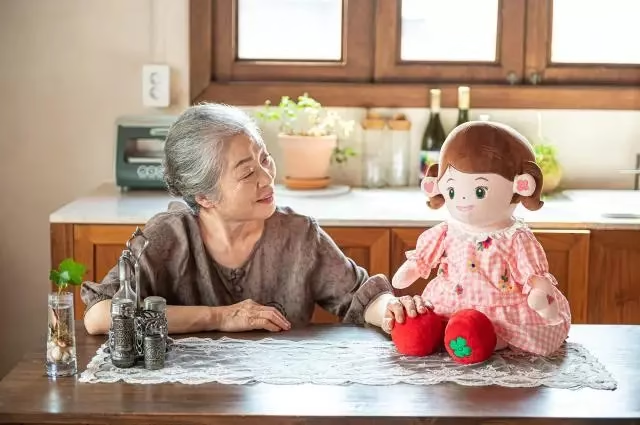
As South Korea grapples with a rapidly aging population and increasing rates of social isolation among seniors, authorities are adopting artificial intelligence-powered companion dolls as a novel approach to elderly care.
Designed to provide emotional support, the AI companions can hold conversations, recognize emotions, and remember personal preferences, creating a more personalized experience for users. Beyond companionship, the dolls assist with daily routines by reminding seniors to take medications, stay physically active, and maintain healthy habits.
The initiative comes at a time when traditional family-based caregiving structures are weakening due to changing demographics, declining birth rates and a growing number of older adults living alone. Policymakers view AI-assisted care as a practical solution to help address the widening gap in elder support services.
Pilot programs have delivered encouraging results, with many elderly participants reporting reduced feelings of loneliness, improved emotional well-being and greater engagement in daily activities. Some users have also experienced lower stress levels and better sleep quality after regular interaction with the AI companions.
While healthcare professionals stress that technology cannot replace human relationships, they acknowledge that AI tools can play an important role in providing routine social interaction and mental stimulation. Experts suggest such engagement may help slow cognitive decline and improve quality of life for older adults.
To expand access, several local governments are providing the AI companions to low-income seniors through subsidized programs. As the country continues to explore technology-driven healthcare solutions, South Korea’s initiative is attracting international attention as a potential model for other nations facing similar aging population challenges.