
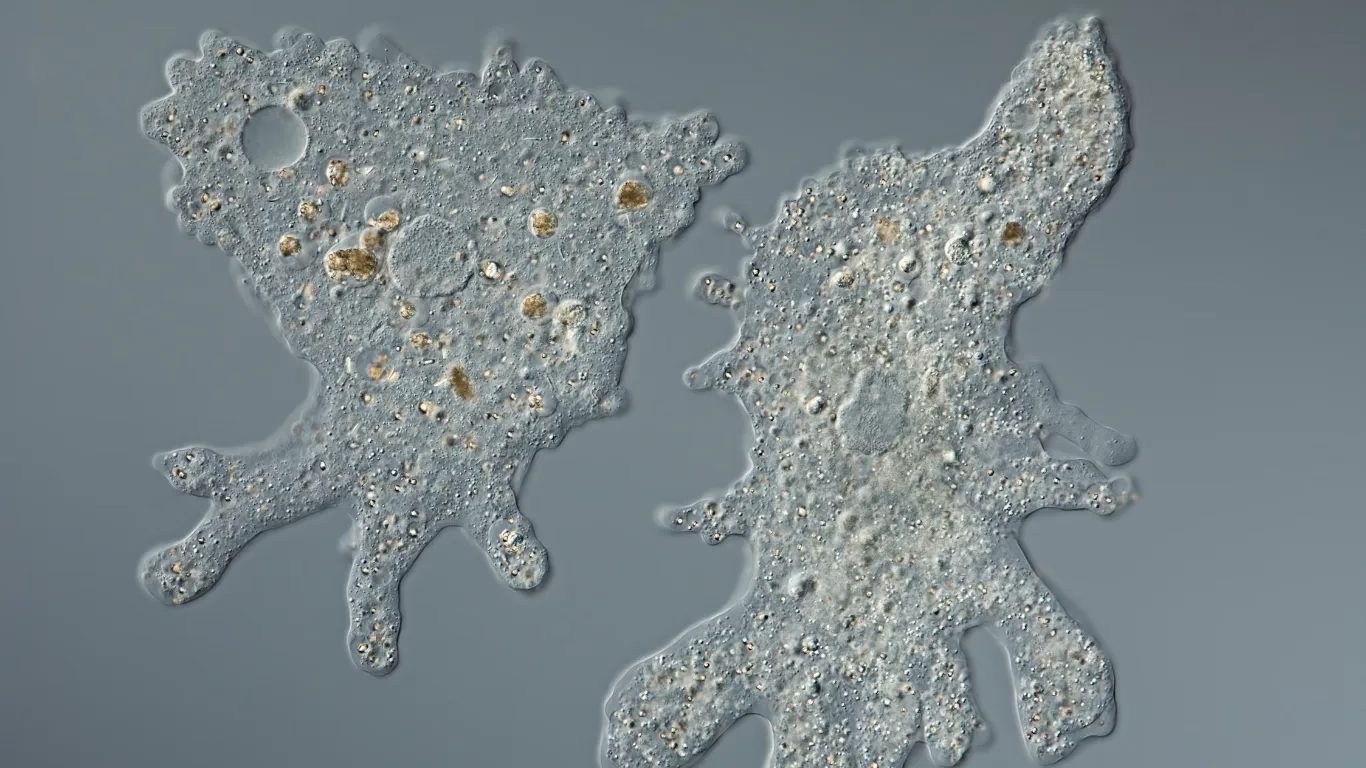
Scientists across the world have raised fresh concerns over the growing spread of dangerous amoebas warning that these microscopic organisms could emerge as a significant global public health threat in the coming years. Researchers have identified a group known as free-living amoebae which are commonly found in soil, freshwater bodies and even man-made water systems such as pipelines and storage tanks. While most species are harmless some can cause severe and often fatal infections in humans.
Among the most dangerous is Naegleria fowleri often referred to as the “brain-eating amoeba,” which can cause a rare but deadly infection of the brain when contaminated water enters the body through the nose. The disease progresses rapidly and has a very high fatality rate. Scientists say climate change is a major factor behind the increasing spread of these organisms. Rising global temperatures are creating favourable conditions for amoebae to survive and expand into regions where they were previously uncommon.
Warmer water bodies including lakes, rivers and even treated water systems are becoming breeding grounds for these microbes. Experts warn that as temperatures continue to rise the geographical range of these pathogens is likely to expand further. A major concern highlighted by scientists is the ability of these amoebae to survive extreme conditions. Studies show that some species can tolerate high temperatures and resist common disinfectants such as chlorine making them difficult to eliminate from water systems.
Additionally these organisms are difficult to detect because routine water testing does not typically screen for them. Limited surveillance and monitoring in many countries further increase the risk of unnoticed spread. Researchers have also pointed to another alarming feature of free-living amoebae their ability to act as “Trojan horses.” They can harbour and protect harmful bacteria and viruses inside their cells allowing these pathogens to survive harsh environments and spread more easily.
This ability may contribute to the spread of antibiotic-resistant infections and complicate efforts to control waterborne diseases globally. Although infections remain rare, outbreaks and isolated cases have been reported in different parts of the world including India. In 2025, Kerala reported a surge in amoebic brain infections with multiple confirmed cases and deaths linked to contaminated water exposure. Health experts caution that such incidents may become more frequent if preventive measures are not strengthened.
Scientists are calling for improved monitoring of water systems, better diagnostic tools and stronger public awareness to address the emerging threat. They emphasize the need for coordinated efforts between environmental and healthcare sectors to track and control the spread of these organisms. Experts also recommend simple precautions such as avoiding exposure to untreated water ensuring proper chlorination of swimming pools and using clean or sterile water for nasal activities.