


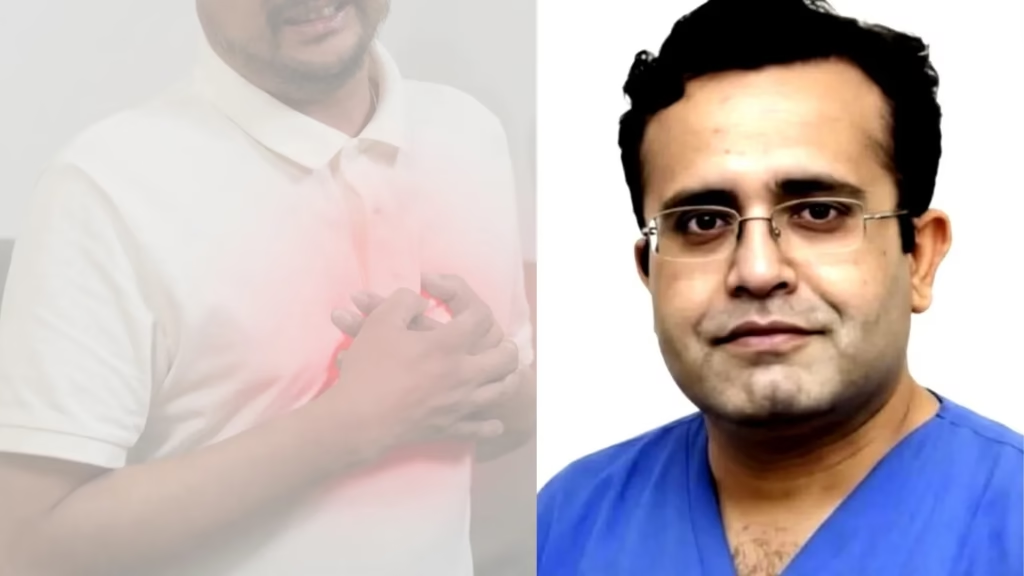
The sudden demise of Dr. Aditya Batra, a 45-year-old interventional cardiologist from Rohtak and director of Holy Heart Hospital, has reignited concerns over the increasing number of sudden cardiac deaths among relatively young individuals, including healthcare professionals.
According to reports, Dr. Batra had completed two surgical procedures before returning home on Wednesday. Later that night, he reportedly experienced chest pain and rushed to the bathroom, where he collapsed. He was immediately shifted to the hospital, where doctors performed CPR for nearly three hours. Despite prolonged resuscitation efforts, he could not be saved.
The incident has prompted renewed discussion on why even experienced heart specialists remain susceptible to life-threatening cardiac events.
Long Working Hours and Chronic Stress
Experts believe that the answer lies in the demanding nature of the medical profession rather than a single medical trigger.
Dr. Ranjan Shetty, Lead Cardiologist and Medical Director at Sparsh Hospital, Bengaluru, said prolonged work-related stress, inadequate sleep, burnout and neglect of personal health have become increasingly common among doctors and significantly contribute to cardiovascular risk.
Healthcare professionals often work extended shifts lasting more than 24 hours, regularly skip meals, experience disrupted sleep schedules and remain under constant mental pressure. These conditions can trigger chronic inflammation, damage blood vessels and accelerate the development of coronary artery disease.
Persistent stress also raises the levels of hormones such as adrenaline and cortisol, which increase blood pressure, place additional strain on the heart and promote plaque formation inside the coronary arteries.
Warning Signs Often Overlooked
Ironically, doctors themselves may ignore early symptoms, assuming they are simply consequences of fatigue or overwork. Signs such as chest discomfort, unexplained tiredness, dizziness, nausea or irregular heartbeats are sometimes dismissed instead of being medically evaluated.
Healthy Lifestyle Alone May Not Be Enough
Experts emphasise that physical fitness cannot completely eliminate the risk of heart disease. Factors such as genetics, hypertension, diabetes, poor sleep, prolonged stress and sedentary work patterns all play a role.
Even individuals who exercise regularly may remain vulnerable if these underlying risk factors are not adequately managed.
In susceptible individuals, severe stress can increase the heart’s oxygen demand. If significant blockage already exists in the coronary arteries, this may trigger a heart attack, which in some cases can progress to sudden cardiac arrest due to dangerous disturbances in heart rhythm.
Heart Attack and Cardiac Arrest Are Not the Same
Medical experts stress that heart attack and cardiac arrest are different medical emergencies.
A heart attack occurs when blood supply to a part of the heart muscle is blocked, usually because of a clot in a narrowed artery. Cardiac arrest, however, results from a sudden electrical failure that causes the heart to stop pumping blood effectively.
A major heart attack can sometimes trigger cardiac arrest by causing life-threatening abnormalities in the heart’s electrical activity.
Immediate Treatment Is Critical
Doctors say survival following cardiac arrest largely depends on how quickly treatment begins. Early CPR and prompt defibrillation significantly improve survival chances, although the final outcome also depends on the extent of heart damage and the underlying medical condition.
Improving Doctors’ Health
Dr. Shetty stressed that reducing cardiac risk among healthcare professionals requires changes at both the personal and institutional levels. Measures such as adequate rest, reasonable duty hours, regular health screening, stress management programmes, healthy food availability during shifts and encouraging doctors to seek timely medical care are essential.
He also cautioned against treating sleep deprivation and excessive workload as symbols of professional dedication, noting that long-term overwork can seriously affect both the health of doctors and the quality of care they provide to patients.