


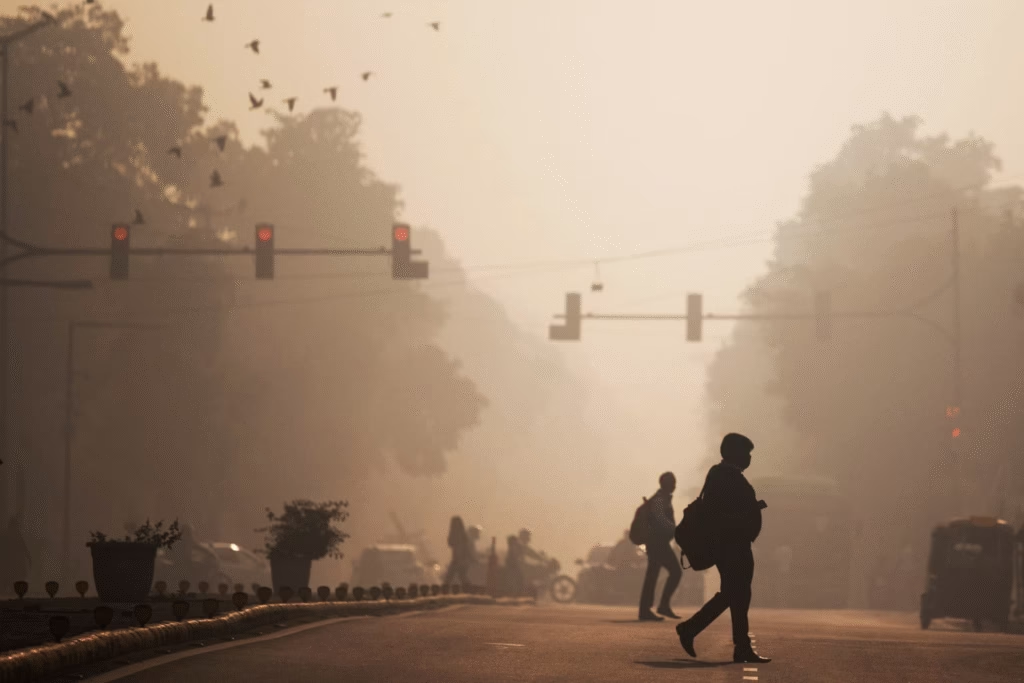
As air quality continues to deteriorate across major Indian cities, a group of Padma awardee doctors and leading medical experts has issued an urgent national health advisory, warning that the country is facing a “significant public health emergency.”
Large parts of Delhi-NCR, Mumbai and several northern regions remain shrouded in toxic smog, prompting heightened concerns over rapidly escalating health risks. The advisory, signed by more than 80 eminent medical professionals, stresses that worsening air pollution is affecting all age groups particularly children, pregnant women, senior citizens and people with respiratory or cardiac conditions.
According to the experts, exposure to hazardous air is triggering severe respiratory distress, increasing asthma attacks and raising the risk of heart attacks and strokes. Poor air quality is also affecting the management of chronic diseases such as diabetes and hypertension, while long-term exposure may lead to lasting lung damage in children.
The advisory recommends practical precautions, including the use of air purifiers where available and wearing N95 masks outdoors. Citizens are advised to avoid outdoor exercise during peak pollution hours and keep doors and windows closed when pollution levels spike. For households without purifiers, low-cost measures such as wet-mopping floors, avoiding incense and indoor smoke, and ensuring safe ventilation during cooking have been suggested.
Special guidance has been issued for vulnerable groups: suspension of outdoor school activities, limited exposure for pregnant women and the elderly, and timely medical care for individuals with asthma, COPD or heart disease.
The experts also call for community-level steps avoiding waste burning, reducing vehicle pollution, and reporting construction dust alongside stronger government interventions, including tighter emission controls and AQI-based public advisories.
Meanwhile, Delhi’s air quality showed some improvement on Thursday morning, with the city’s overall AQI dropping to around 300, according to Central Pollution Control Board (CPCB) data.