
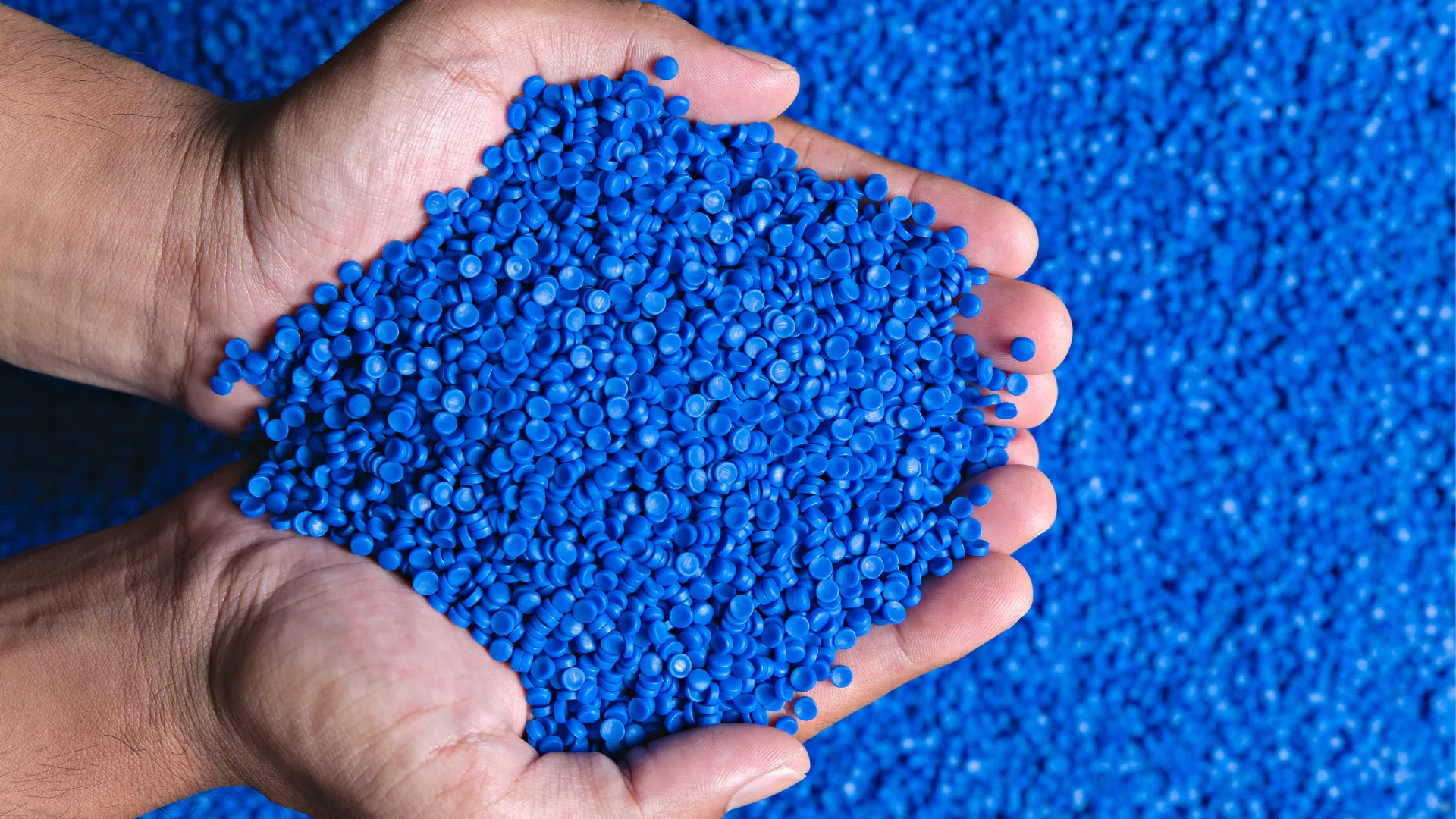
India’s medical device sector is facing the risk of supply disruptions as prices of polypropylene (PP) a key raw material used in products such as syringes, IV bags, catheters, blood bags and surgical drapes have surged sharply in recent weeks.
Industry experts say PP prices have increased by more than ₹55 per kg since December, with the steepest rise recorded in March. Manufacturers note that such a rapid price escalation was not even seen during the COVID-19 pandemic.
Plastic raw material costs have jumped by nearly 25-35% in the past 10-12 days. The increase is expected to hit small and medium enterprises the hardest, which constitute nearly 90% of India’s medical devices industry. According to Himanshu Baid, Managing Director of Polymedicure, the surge in raw material costs could significantly affect manufacturers of infusion therapy consumables.
India relies heavily on imports for advanced medical devices, diagnostic equipment and several critical components. Much of this supply moves through international logistics routes connected to the Middle East. The ongoing conflict in the region has begun disrupting global supply chains, raising concerns about potential shortages.
Domestically, manufacturers are also dealing with a worsening gas supply situation. Gas rationing by Adani Total Gas has begun affecting production of essential devices such as syringes. The company has informed manufacturers that the industry will receive only up to 40% of its contracted daily gas supply, while any additional consumption will be treated as excess and billed at higher rates.
Industry leaders warn that reduced gas supply may slow production and force factories to switch to alternative fuels like diesel, which would increase operating costs and worsen air pollution. Rajiv Nath, forum coordinator of the Association of Indian Medical Device Industry (AiMeD), said that PNG gas prices have almost doubled, significantly raising power generation costs for manufacturing units.
Experts also caution that prolonged disruptions to shipping routes, air cargo availability and global energy markets could lead to higher freight costs, longer delivery times and increased pressure on procurement budgets. Pavan Choudary, Chairman of the Medical Technology Association of India (MTaI), highlighted these concerns.
In response, the medical devices industry has approached the Ministry of Commerce, the Department of Pharmaceuticals and the Ministry of Health and Family Welfare seeking urgent government intervention. Industry bodies have requested measures such as faster customs clearance for alternative supply routes, subsidies for essential inputs, action against price gouging and directions to CONCOR and shipping companies to prevent freight rate hikes.