


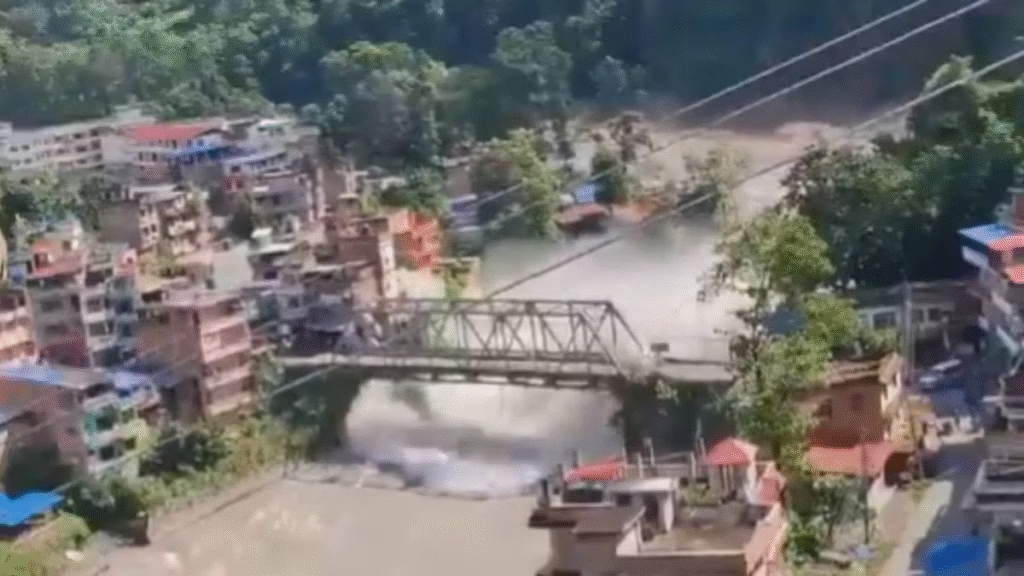
A sudden flash flood in Nepal’s Rasuwa district has triggered a major humanitarian and health emergency, with at least 16 people reported dead and more than 100 Indians among those missing. The disaster struck the Bhote Koshi River corridor near the Tibet border, washing away settlements, vehicles, bridges and critical infrastructure.
The Nepal Army, Armed Police Force and Nepal Police have mobilised large-scale rescue operations, with 14 helicopters, drones and sniffer dogs being used to locate missing people and evacuate those stranded. Emergency medical support has also been established at the Military Training Centre No. 1 in Trishuli.
Healthcare Access Disrupted
The destruction of roads, bridges and settlements has created serious challenges for emergency medical access in the affected districts. Rescue teams are working to reach people who may be injured, trapped or isolated in areas cut off by floodwaters.
With large numbers of tourists and Kailash Mansarovar pilgrims reportedly among those out of contact, authorities are also facing the challenge of providing emergency care, evacuation and medical monitoring to people whose locations remain uncertain.
Risk of Secondary Health Emergencies
Beyond immediate injuries and deaths, flooding can create a wider public-health threat. Displaced populations may face shortages of safe drinking water, sanitation facilities, food and essential medicines, increasing the risk of waterborne and communicable diseases.
Damage to healthcare infrastructure and disruption of transport routes could further complicate access to routine treatment, emergency medicines and medical supplies in remote areas.
Search and Rescue Remains Critical
Authorities are continuing efforts to locate missing people and assess the condition of those rescued. The cause of the sudden rise in the Bhote Koshi River has not yet been confirmed, with officials examining possibilities including a glacial lake outburst flood, landslide or another event on the Tibetan side.
Meanwhile, downstream districts have been placed on high alert, and residents have been advised to stay away from riverbanks and move to safer locations.
The Nepal disaster highlights the critical role of rapid medical evacuation, emergency preparedness, safe water supply and coordinated health response during sudden Himalayan flood events.