


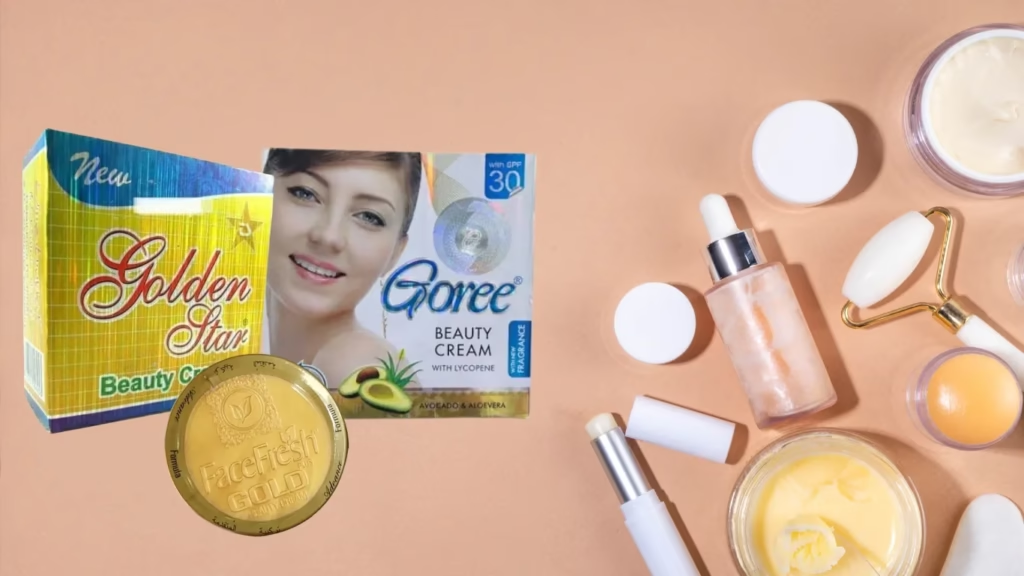
India’s long-standing preference for lighter skin has sustained a booming market for skin-lightening cosmetics. While modern marketing promotes terms such as “glow,” “radiance,” and “brightening” instead of “fairness,” many products still promise a lighter complexion. To deliver rapid results, some manufacturers illegally use harmful heavy metals such as mercury, prompting serious health concerns.
The Maharashtra Food and Drug Administration (FDA) has recently taken action against several cosmetic products after laboratory tests found mercury and lead levels far above permissible limits. The regulator has initiated criminal proceedings against the manufacturers and warned consumers to avoid these products.
The products identified include Goree Beauty Cream, Goree Beauty Whitening Body Lotion, Goree Whitening Soap, Face Fresh Gold Plus (Beauty Cream and Beauty Serum), and Golden Star Beauty Cream. Investigators also found that these cosmetics lacked mandatory information such as manufacturing and expiry dates. Despite these violations, the products continue to be sold through local retailers, beauty stores, online platforms, and informal markets.
Why Mercury Is Added
Mercury is illegally used in some skin-lightening products because it suppresses melanin production the pigment responsible for skin colour. By blocking the enzyme involved in melanin formation, mercury can make the skin appear lighter within just a few days.
Dr. Tushar Palve, Medical Superintendent at Mumbai’s Cama and Albless Hospital, said the quick whitening effect makes mercury attractive to illegal cosmetic manufacturers. According to Maharashtra FDA officials, the legal mercury limit in cosmetics is 1 part per million (ppm), but tests found mercury levels in the seized products to be 18 to 20 times higher than the permitted limit.
Serious Health Risks
Health experts warn that mercury absorbed through the skin accumulates in the kidneys and nervous system. Long-term exposure can result in kidney damage, neurological disorders, tremors, memory loss, anxiety, depression, sleep disturbances, and poor concentration.
Dr. Palve noted that very high mercury exposure may begin damaging the kidneys within days, while prolonged daily use over months can silently cause irreversible harm. Because kidney disease often develops without noticeable symptoms, users may not realise the damage until they require dialysis. He also referred to reports linking prolonged use of Goree Beauty Cream to kidney disease among several women in Nagpur.
Lead Adds to the Danger
Lead was also detected in the cosmetic products. Unlike mercury, lead has no skin-lightening benefit. Its presence generally indicates contaminated raw materials, poor manufacturing standards, or illegal production practices.
Experts stress that there is no safe level of lead exposure. Lead can build up in the body over time and damage the brain, nervous system, kidneys, blood-forming organs and reproductive system. Combined exposure to both mercury and lead significantly increases health risks.
Damage Starts With the Skin
Ironically, products marketed to improve appearance may first harm the skin itself. Mercury-containing creams can trigger acne, persistent rashes, abnormal pigmentation, skin discoloration, increased sensitivity, and thinning of the skin, making it more prone to injury.
Dr. Usha N. Khemani, Associate Professor of Dermatology at Grant Government Medical College and Sir J.J. Group of Hospitals, advises people experiencing persistent pigmentation to seek medical evaluation instead of relying on over-the-counter fairness creams. She recommends proper diagnosis, regular sunscreen use, and evidence-based treatment under the supervision of a qualified dermatologist.
According to Dr. Khemani, dermatology clinics are seeing a growing number of teenagers, brides-to-be, and young social media users whose skin has been damaged after experimenting with multiple cosmetic products.
Prescription Creams Also Require Medical Supervision
Doctors emphasise that even medically approved skin-lightening treatments should only be used under professional guidance.
Hydroquinone remains an effective treatment for conditions such as melasma when prescribed appropriately, but prolonged unsupervised use can cause the skin to become darker instead of lighter.
Similarly, topical steroid creams, intended for inflammatory skin disorders, can severely damage the skin if used continuously. Long-term misuse may result in paper-thin skin, visible blood vessels, persistent redness, dryness, and severe burning sensations.
Dr. Khemani recalled treating a woman in her twenties who used a steroid cream continuously for six months after being told it would brighten her complexion. The patient eventually developed extremely thin, red, and sensitive skin and required months of specialised treatment to restore her skin barrier.
Why These Products Remain on the Market
According to the Maharashtra FDA, cosmetics are mainly regulated during manufacturing, unlike medicines that are tracked throughout the supply chain. Once illegally manufactured or smuggled products enter unauthorised distribution channels, monitoring and removal become far more challenging. These products are often sold through neighbourhood cosmetic shops, beauty salons, online marketplaces, and informal retail networks.
How Consumers Can Protect Themselves
Consumers should carefully examine cosmetic products before purchasing. Every product should display complete manufacturer details, manufacturing and expiry dates, batch number, and a full ingredient list. Experts also advise avoiding products that promise rapid skin whitening and recommend consulting a dermatologist before using any skin-lightening treatment.