


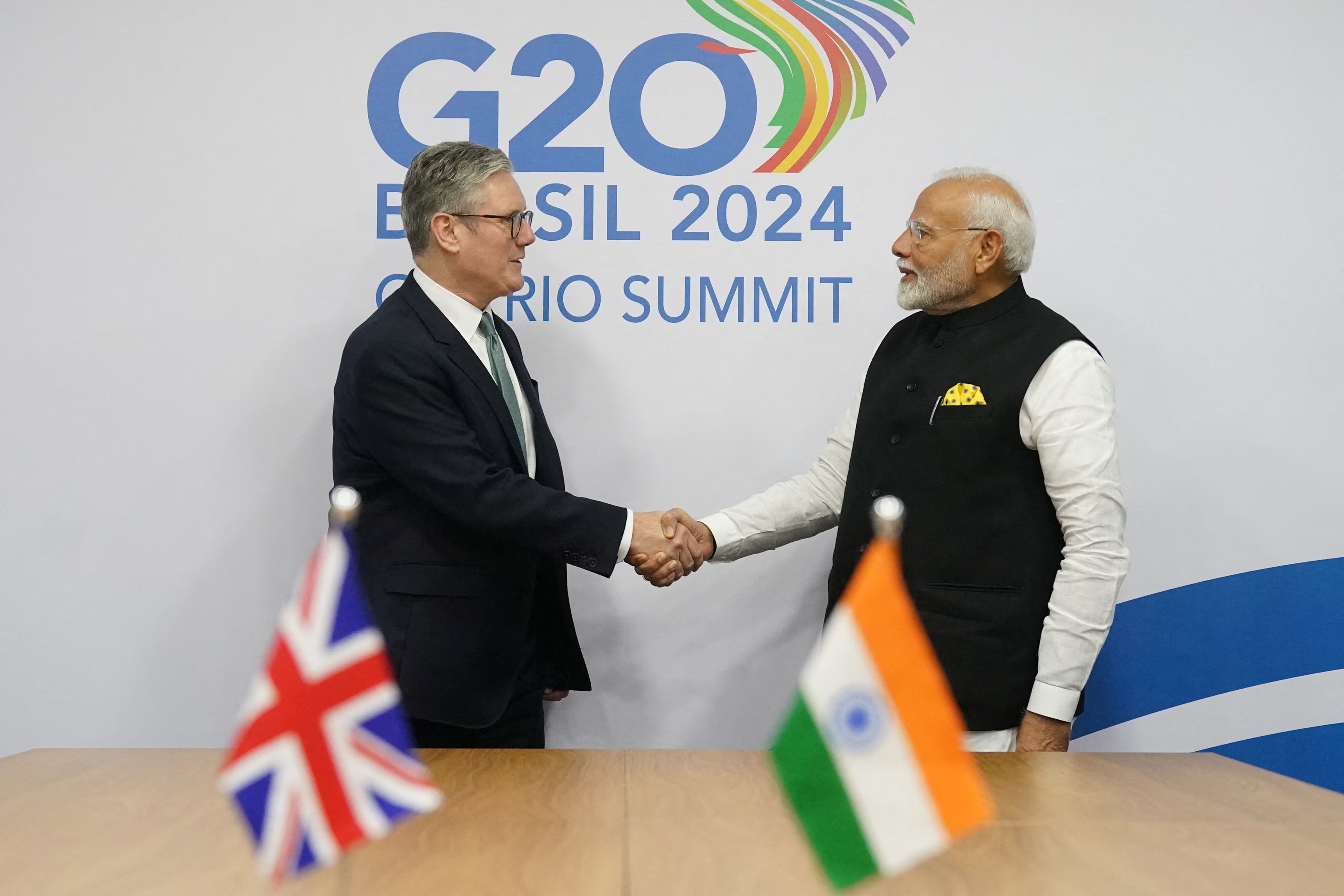
The formal announcement of the Free Trade Agreement (FTA) between India and the United Kingdom has been met with optimism by India’s medical device industry. Domestic manufacturers have hailed the pact for promising smoother market entry and duty‑free access for Indian exports.
As per the Ministry of Commerce and Industry, the Comprehensive Economic and Trade Agreement (CETA) ensures zero‑duty access for 99% of Indian exports, covering almost the entire trade value.
However, Rajiv Nath, Forum Coordinator of the Association of Indian Medical Device Industry (AiMeD), pointed out that medical devices entering the UK were already exempt from tariffs, so customs duties were never the real hurdle.
“What we really sought through this agreement was recognition of Indian CDSCO approvals or voluntary certifications from QCI to help fast‑track regulatory clearance and tackle non‑tariff barriers faced by Indian exporters,” he noted.
Since many finer points of the agreement are still being studied, industry leaders have refrained from commenting further on the non‑tariff aspects of the deal.
India continues to depend heavily on imported medical devices, a trend reflected in the current trade numbers. In 2024, India’s exports of medical devices to the UK were worth ₹1,015 crore, while imports were more than double at ₹2,295 crore-marking a 36% jump from ₹1,682 crore the previous year, AiMeD data shows.
India’s strength lies in low‑risk, high‑volume products such as contact lenses, diagnostic reagents, surgical instruments, and PPE kits, while imports mainly consist of advanced equipment like ventilators, X‑ray machines, diagnostic reagents, and IVD analyzers. A key reason for this import reliance is the country’s limited capacity to manufacture high‑end, technology‑intensive devices such as MRI and CT scanners.
Pavan Choudary, Chairman of MedTech industry body MTaI, said the pact would cut import duties on MedTech products from about 15% to around 3%, bringing down costs and improving access to sophisticated technologies.
“This partnership also paves the way for technology transfers, joint ventures, and skill development-critical elements for building a strong healthcare ecosystem in both nations,” he added.
At the same time, AiMeD has raised concerns about the possibility of goods from third countries being routed through the UK to exploit the FTA.
“While we welcome genuine UK‑made medical products into India, we have urged strict monitoring and verification of Rules of Origin to prevent misuse of the agreement,” Nath emphasized.
Choudary, echoing this concern, stressed the importance of transparency.
“Every FTA, including this one, should mandate clear disclosure of the actual manufacturing site for all imports, in line with India’s CDSCO rules which require separate registration for both the legal and actual manufacturers,” he said.
The requirement to disclose the actual production site is crucial, as shipments from undisclosed locations are sometimes used to bypass regulatory oversight-a loophole that industry leaders say must be firmly closed.