The National Centre for Disease Control, under the Ministry of Health and Family Welfare, in partnership with the World Health Organization India, on Monday (December 23) began a two-day meeting focused on strengthening India’s preparedness for influenza.
The Chintan Shivir, titled Strengthening Interministerial and Intersectoral Convergence for Influenza Preparedness and Response, is being held on December 22 and 23 in New Delhi. It aims to facilitate structured discussions among key stakeholders to enhance the country’s readiness and response mechanisms ahead of the upcoming influenza season.
The review comes amid continued concerns over influenza, which remains a major public health challenge in India and worldwide. The highly contagious respiratory illness, caused by influenza viruses affecting the nose, throat, and lungs, leads to periodic outbreaks and poses higher risks to vulnerable groups, including children, elderly individuals, pregnant women, and those with underlying health conditions.
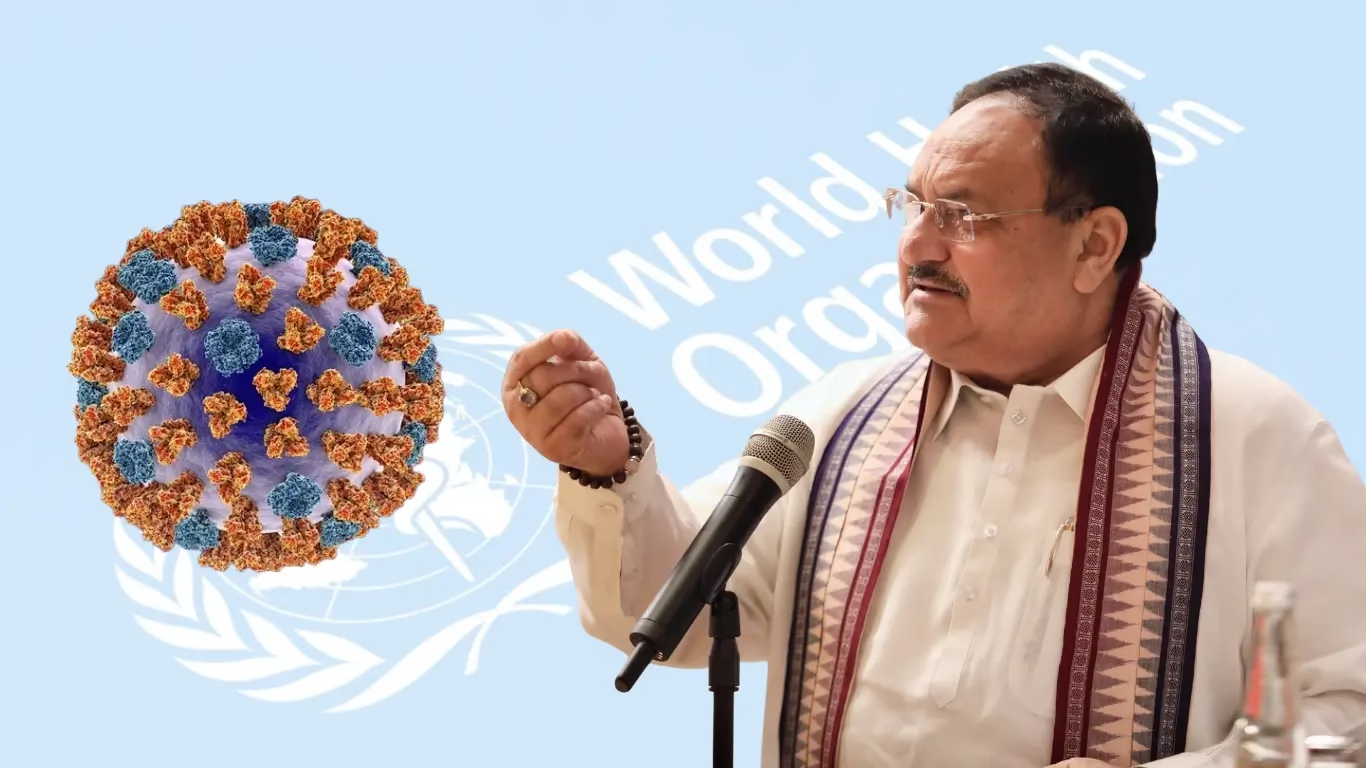
Addressing the inaugural session virtually, Union Health Minister JP Nadda said the Chintan Shivir provides an important platform for stakeholders to examine various aspects of preparedness to build resilience against influenza. He stressed the need to ensure that preparedness and response measures, including surge capacity planning, are well coordinated for the forthcoming influenza season.
Highlighting the role of the Integrated Disease Surveillance Programme (IDSP), the Health Minister emphasised that close coordination between the Centre and States is crucial for maintaining strong and collaborative disease surveillance systems across the country. The Ministry stated that it continues to track seasonal influenza trends across States and Union Territories in real time through the IDSP network.
Discussions during the meeting underlined that influenza preparedness should not function in isolation and requires cross-sectoral collaboration for surveillance, early warning systems, laboratory readiness, clinical preparedness, and effective risk communication.
The event saw participation from around 110 representatives from various ministries, departments, and institutions, and aimed to promote a more systematic and actionable review of preparedness by States, UTs, and institutions. This includes developing a practical preparedness checklist to assess readiness, identify gaps, and support time-bound follow-up actions. The Ministry noted that discussions highlighted the importance of timely information sharing, clearly defined roles, and coordinated interdepartmental action.
The Chintan Shivir also marked a step towards strengthening One Health–based preparedness by integrating human, animal, and environmental health systems. The Ministry said that by promoting whole-of-government coordination through a One Health approach, the initiative supports India’s pandemic preparedness and response capabilities and contributes to national and global health security, in line with the spirit of Vasudhaiva Kutumbakam.