


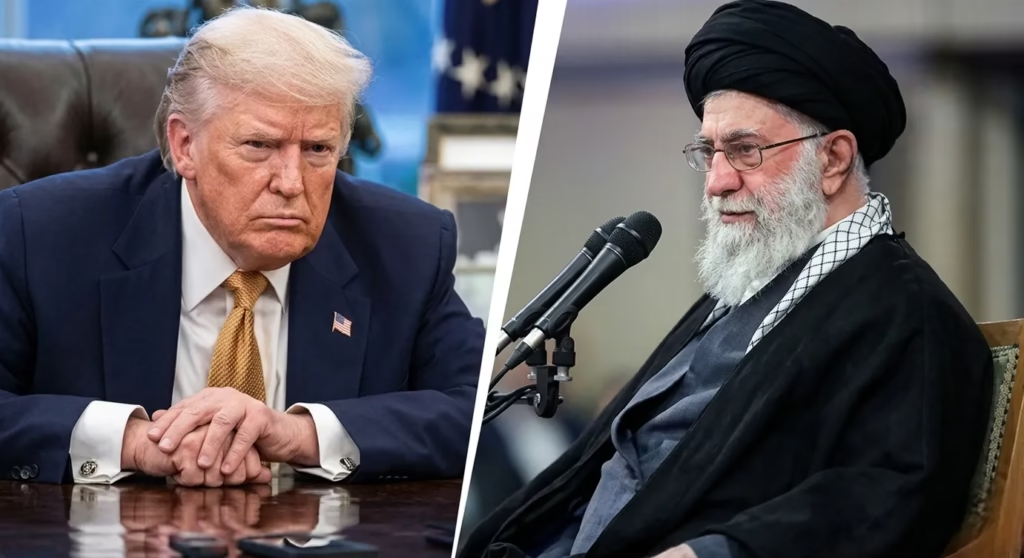
New diplomatic developments have emerged in the ongoing engagement between Iran and the United States with Islamabad remaining at the center of international attention. According to recent reports, U.S. negotiators are expected to travel to Islamabad for another round of discussions aimed at easing regional tensions and exploring possible pathways toward stability.
As per media reports communications are expected to continue indirectly through mediation efforts involving Pakistani authorities. Reports also suggest that Iranian Foreign Minister Abbas Araghchi has been in contact with Pakistani officials as diplomatic channels remain active.
The discussions are believed to focus on key geopolitical concerns including ceasefire arrangements, regional security and reopening important shipping routes. Beyond politics, the developments are being closely monitored by global industries including healthcare. Ongoing instability in the region has already disrupted trade and logistics routes contributing to rising freight costs and delays in the transportation of medical supplies. Healthcare experts have also expressed concern over possible shortages of industrial helium a critical component used in MRI machines and advanced diagnostic systems.
The uncertainty has additionally affected medical tourism particularly in countries like India that receive large numbers of patients from West Asia for specialized treatment. Hospitals and healthcare providers are therefore closely watching the outcome of these diplomatic efforts as any prolonged instability could further impact healthcare supply chains and international patient mobility.