
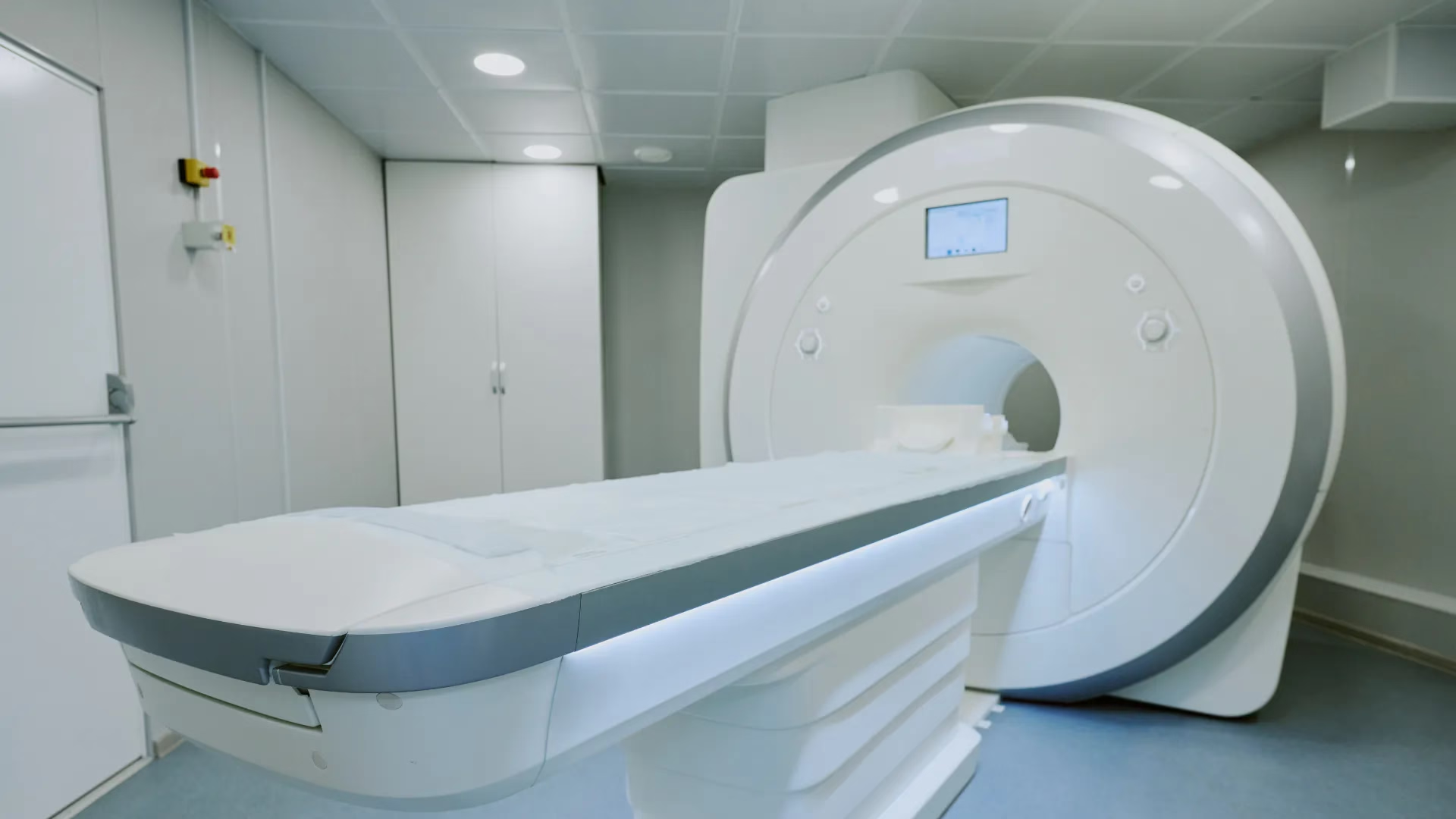
A critical but often overlooked gas helium is beginning to disrupt MRI supply chains in India, driven by shortages linked to West Asia. The tightening availability has already started pushing up costs, raising concerns over more expensive scans and potential delays in diagnostic services.
India relies heavily on helium imports from Qatar, a key global supplier, for cooling MRI magnets. With inventories already low and global logistics becoming increasingly uncertain, hospitals and diagnostic centres are preparing for supply constraints. Since Qatar accounts for nearly one-third of the world’s helium supply, any prolonged disruption could significantly impact MRI services worldwide. Early signs of rising prices are already visible, industry experts say.
Helium, a non-renewable resource, is produced as a byproduct of natural gas processing. As a result, its supply is closely tied to LNG output, meaning disruptions in gas production in Qatar are now affecting global helium availability.
While the shortage has not yet caused major visible disruptions, industry players warn that risks are escalating. Global medtech supply chains remain vulnerable to prolonged geopolitical instability in West Asia, with input costs steadily increasing.
In response, several companies have been investing in alternatives, including helium-free MRI technologies. Some manufacturers have already introduced systems using dry cooling methods, which significantly reduce dependence on helium and help avoid service interruptions.
Meanwhile, the broader impact of the situation is beginning to affect the domestic medical device sector. Manufacturers have cautioned that shortages of essential hospital consumables such as IV bags, syringes, cannulas, and urine bags could emerge as early as next month. With current inventories lasting only about two to three weeks, supply disruptions to hospitals are a growing concern.
The situation is further aggravated by shortages of industrial gases used in manufacturing processes and rising energy costs, forcing companies to shift to more expensive fuel alternatives like diesel, thereby increasing overall operational expenses.