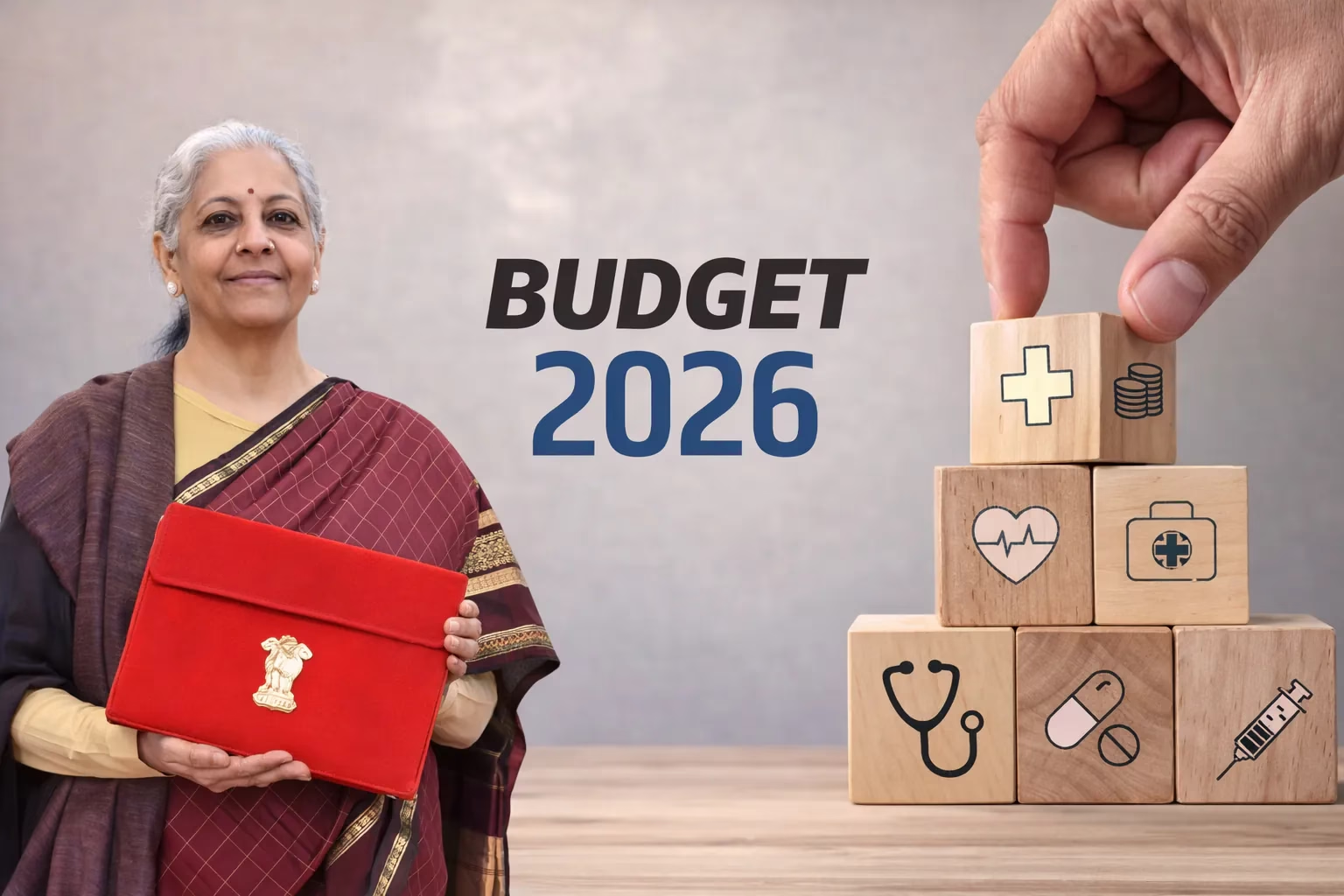
The Union Budget 2026 presented by Finance Minister Nirmala Sitharaman has placed healthcare at the heart of India’s development agenda, announcing a range of measures aimed at expanding medical infrastructure, reducing treatment costs, encouraging innovation, and strengthening mental and traditional health systems.
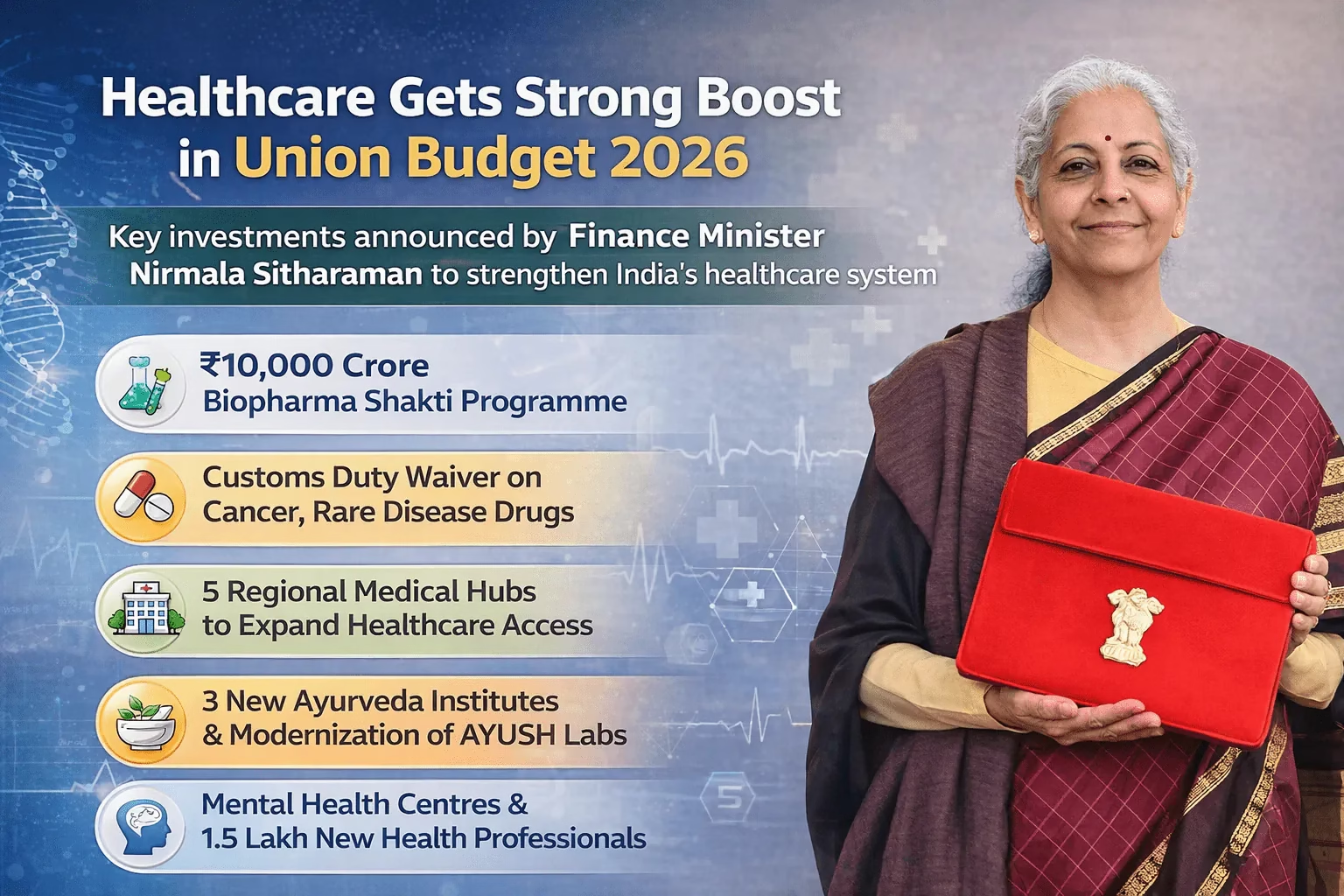
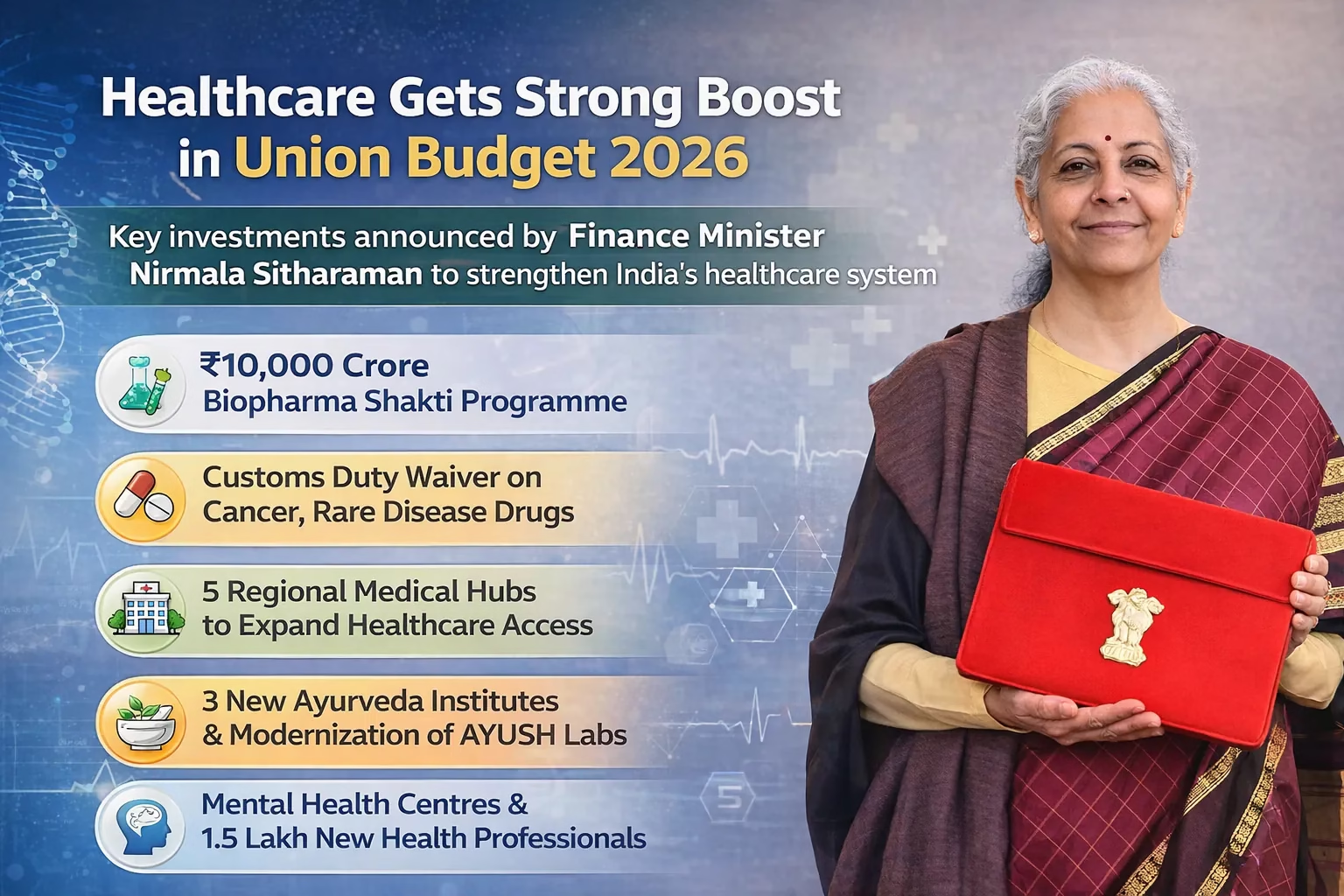
A key highlight of the Budget is the launch of the Biopharma Shakti programme with an allocation of ₹10,000 crore over the next five years. This initiative seeks to build a world-class ecosystem for biologics, biosimilars, and vaccine manufacturing. The government aims to position India as a global hub for biopharmaceutical innovation, reduce dependency on imports, and make advanced treatments more affordable and accessible. Officials said the programme will also focus on research, clinical trials, and creating specialized innovation clusters for biotech startups.
In a major relief to patients suffering from serious illnesses, the Finance Minister announced the waiver of customs duties on 17 cancer drugs and on medicines for seven rare diseases. The move is expected to significantly lower the cost of life-saving treatments and support families battling long-term illnesses. Industry experts hailed this decision as a strong step toward affordable healthcare access.
To expand healthcare delivery beyond major cities, the government will partner with the private sector to set up five regional medical hubs across the country. These hubs will be designed to integrate treatment, training, and research facilities, and are expected to boost India’s growing medical tourism industry. The announcement triggered a positive market response, with shares of leading hospital chains such as Max Healthcare and Apollo Hospitals rising by up to 4 percent following the Budget speech.
The Budget also underscored the importance of traditional and preventive medicine. Three new All India Institutes of Ayurveda will be established to train skilled practitioners and integrate AYUSH systems more effectively into mainstream healthcare. The government will also modernize AYUSH pharmacies and testing laboratories to ensure higher quality standards and global recognition.
Mental health received notable attention as well. Sitharaman announced plans to strengthen mental healthcare institutions and expand services nationwide, with new facilities modeled on the lines of NIMHANS to be established in northern and eastern India. The government also plans to train nearly 1.5 lakh caregivers and allied health professionals, addressing workforce shortages in both public and private healthcare sectors.
Sector experts have largely welcomed the Budget’s focus on innovation and affordability, calling it a balanced approach that addresses both short-term accessibility and long-term systemic capacity. However, some analysts noted that while several new schemes were announced, the overall increase in health spending as a share of GDP remains modest. They emphasized the need for higher allocations to preventive care, rural health infrastructure, and insurance coverage to ensure lasting impact.
Overall, the Union Budget 2026 signals a strong intent to transform India’s healthcare landscape through a blend of affordability, innovation, and accessibility. With new investments in biopharma, traditional medicine, and medical tourism, alongside efforts to make essential drugs cheaper, the government aims to build a more resilient and inclusive healthcare system that can meet the country’s growing health demands.