With Covid-19 cases on the rise nationwide, the Union Health Ministry has directed several states and union territories including Delhi to strengthen preventive measures. As of May 28, India reported 1,621 active Covid-19 cases, with more than 90% of these from Kerala, Maharashtra, Delhi, Gujarat, Tamil Nadu, and Karnataka.
In a letter dated May 29, Health Secretary Punya Salila Srivastava addressed state chief secretaries and UT administrators, citing a seasonal surge in respiratory infections driven by pathogens like Influenza, SARS-CoV-2, and RSV. The letter noted a slow but consistent rise in acute respiratory illness (ARI) cases caused by SARS-CoV-2 in some regions.
According to Srivastava, most infections remain mild, with current Omicron variants JN.1, XFG, and LF.7.9 producing common symptoms such as fever, cough, and sore throat that typically resolve on their own.
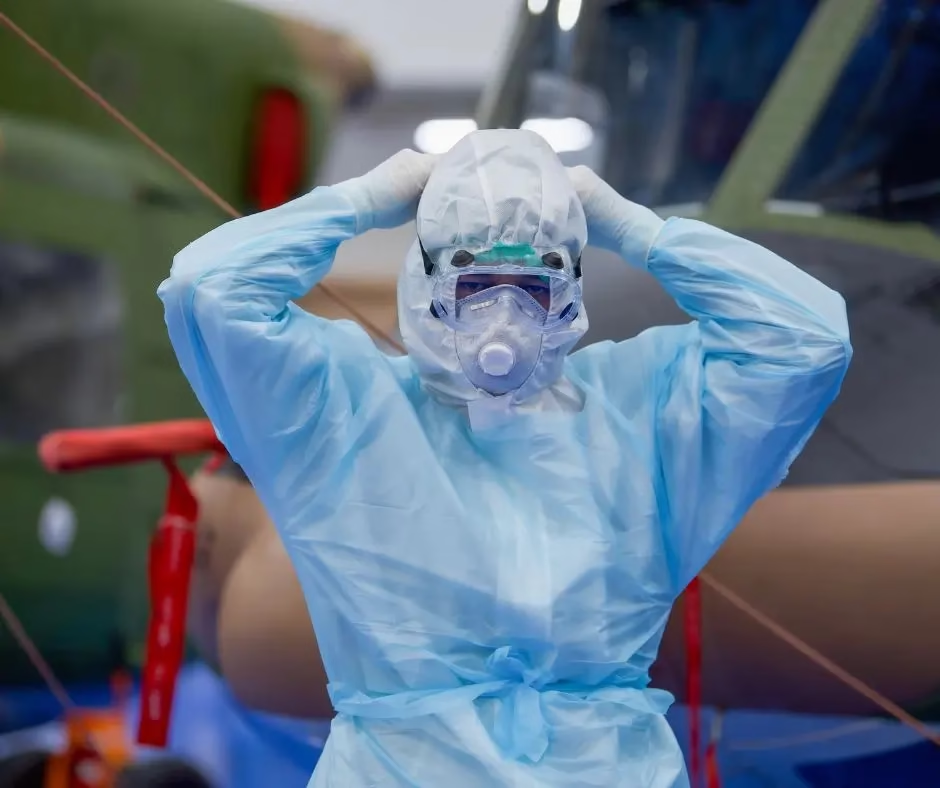
The ministry has instructed all states and UTs to evaluate the readiness of healthcare infrastructure at district and sub-district levels, including medical colleges and tertiary hospitals. Key areas of focus include the availability of diagnostic services, essential medicines, personal protective equipment (PPE), isolation wards, oxygen supply, and intensive care facilities such as ventilator-supported beds.
Hospitals must also carry out mock drills to assess their oxygen supply preparedness. A detailed report outlining actions taken must be submitted by June 2.
The ministry stressed strict adherence to current testing protocols: all Severe Acute Respiratory Infection (SARI) cases should be tested, along with 5% of Influenza-like Illness (ILI) cases. SARI-positive samples must be sent to regional VRDL labs for genome sequencing. District surveillance units are expected to closely monitor trends in ILI/SARI, track the share of SARI cases, and ensure timely data entry on the designated portal.
Additionally, public awareness efforts must promote proper hand hygiene, respiratory etiquette, and discourage spitting in public. Vulnerable populations, such as the elderly and immunocompromised, are advised to avoid crowded or poorly ventilated areas, or wear masks in such settings.
People experiencing respiratory symptoms should monitor their condition and seek immediate medical help if they develop severe symptoms like chest pain or difficulty breathing.