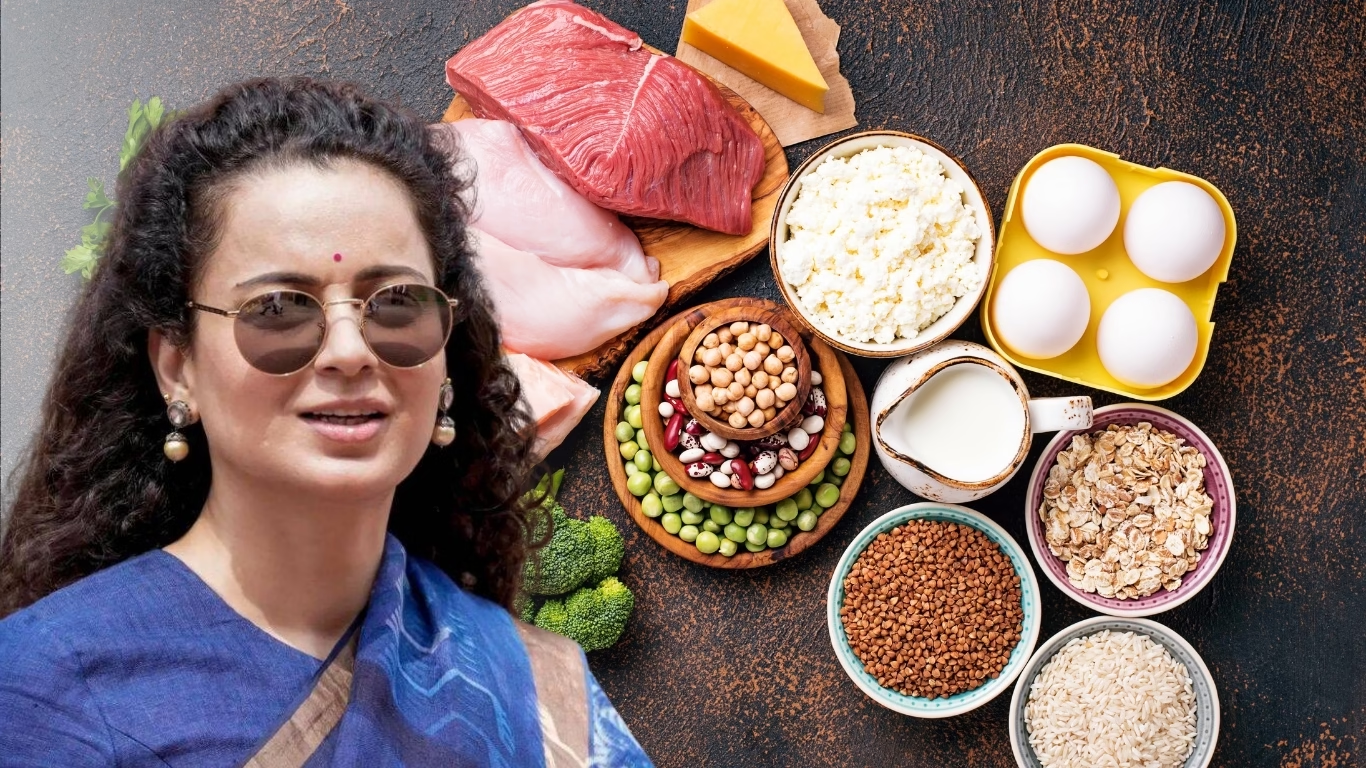
Actor and politician Kangana Ranaut recently ignited discussion on social media after stating that “too much protein makes you dumb” and advocating for traditional Indian diets over protein shakes and heavily processed foods. She also shared a post comparing cancer rates across countries, implying that India’s food habits could contribute to comparatively lower cancer incidence.
Her remarks generated mixed reactions online. While some supported her emphasis on natural, home-cooked foods, others questioned whether high protein intake or protein supplements could actually impact brain function or increase cancer risk.
Medical experts say the issue is far more nuanced. Protein is a vital nutrient that supports muscle growth, tissue repair, immunity, and numerous bodily functions. Current scientific research does not indicate that protein itself causes cancer or negatively affects intelligence in healthy individuals. Instead, cancer risk is influenced by a combination of factors, including genetics, ageing, tobacco use, alcohol consumption, obesity, infections, environmental exposures, and overall dietary patterns.
According to Dr. Tanvi Singh, Medical Oncologist at MOC Cancer Care, Karol Bagh, protein should not be viewed as harmful. The more important consideration is the source of protein and how it fits into an individual’s overall diet and lifestyle.
Is Protein Linked to Cancer?
Dr. Singh explains that there is no direct evidence linking protein consumption to cancer development.
“Protein is an essential nutrient. The relationship between diet and cancer is complex and depends on several factors, including the type of protein consumed, lifestyle habits, and overall health status,” she says.
Experts emphasize that no single nutrient can be blamed for causing cancer. Factors such as smoking, excessive alcohol intake, physical inactivity, obesity, pollution, infections, and genetic predisposition have a far greater impact on cancer risk.
Choosing the Right Protein Sources
Health professionals note that protein quality matters. Nutritious sources of protein include:
- Fish
- Eggs
- Lentils and pulses
- Beans
- Soy products
- Nuts and seeds
- Low-fat milk and dairy products
These foods provide additional health benefits through vitamins, minerals, fiber, and other essential nutrients.
Concerns Around Red and Processed Meat
The discussion around cancer risk often centers on certain protein-containing foods rather than protein itself.
The World Health Organization (WHO) classifies processed meats such as bacon, sausages, ham, and salami as carcinogenic due to their association with a higher risk of colorectal cancer. Red meat is categorized as a probable carcinogen, particularly when consumed frequently and in large quantities over long periods.
Dr. Singh points out that the concern lies in the type of meat, processing methods, cooking practices, and frequency of consumption rather than the protein content itself.
Are Protein Supplements Harmful?
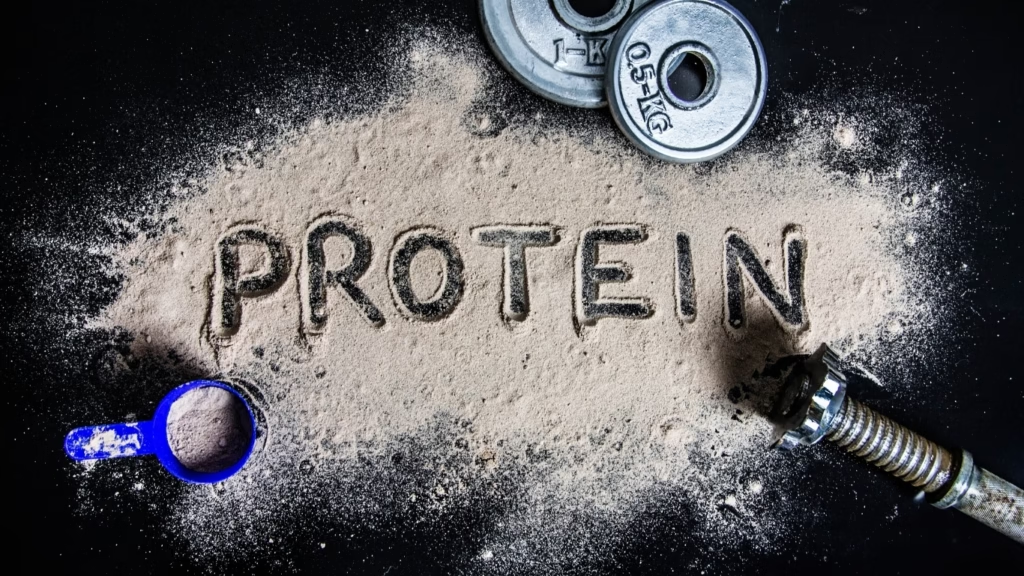
Protein powders and shakes are frequently criticized for being ultra-processed products. However, experts say they are not inherently unhealthy.
While some products contain added sugars, artificial flavorings, and unnecessary additives, others offer a convenient source of quality protein for individuals who struggle to meet their nutritional requirements through regular meals.
Most healthy adults can obtain sufficient protein from food alone. However, athletes, older adults, and people recovering from illness may benefit from supplements when advised by healthcare professionals.
Does High Protein Intake Affect Brain Function?
Experts say there is no strong scientific evidence supporting the claim that consuming large amounts of protein makes people less intelligent.
On the contrary, proteins supply amino acids that are essential for producing neurotransmitters involved in memory, mood regulation, and cognitive function. Adequate protein intake plays an important role in maintaining overall physical and mental health.
Key Takeaway
Nutrition experts stress that protein remains an essential part of a healthy diet. Rather than avoiding protein, individuals should focus on:
- Choosing protein from wholesome food sources.
- Limiting processed meats.
- Avoiding nutrition myths and fad diets.
- Following a balanced diet rich in fruits, vegetables, whole grains, and legumes.
- Seeking professional advice before making major dietary changes.
While Kangana Ranaut’s comments have sparked widespread discussion, medical experts maintain that there is no evidence linking protein itself to cancer or reduced cognitive ability. A balanced diet, healthy lifestyle choices, and moderation remain the cornerstones of long-term health.