As Diwali celebrations begin across India, hospitals are preparing for a potential rise in emergency cases involving firecracker-related burns, eye and hand injuries, road accidents and respiratory complications.
Emergency departments are particularly concerned about managing multiple critical cases simultaneously, requiring coordination between trauma teams, operating theatres and critical care units. Firecracker smoke and deteriorating air quality are also expected to increase respiratory risks, especially among people with asthma, chronic obstructive pulmonary disease (COPD) and other pre-existing conditions.
The scale of the festive emergency burden is reflected in data from hospitals and emergency ambulance services. In Gujarat, 5,406 medical emergencies were reported on Diwali in 2025, marking a 12.06 per cent increase over the normal daily average, according to GVK-EMRI. Road accident emergencies increased by 73.18 per cent, with 919 cases reported against the usual daily average of 529.
In Mumbai, four major BMC-run hospitals, including KEM, Sion, Nair and Cooper, collectively reported nearly 40 firecracker-related burn injuries during Diwali 2024, prompting hospitals to keep additional emergency and burn-care staff on alert.
Hospitals Strengthen Emergency Preparedness
Emergency departments remain at the forefront of the festive surge, making advance planning essential.
Dr Nitin Jagasia, Regional Director, Emergency, Western Region, Apollo Hospitals, said hospitals need proper coordination between emergency departments, trauma teams, operating theatres and critical care services to manage the festive rush.
He explained that when multiple patients arrive together, triage becomes the first priority. Patients are assessed according to injury severity and the urgency of intervention. Cases involving significant blood loss, airway compromise or extensive burns require immediate attention.
Complex cases may require the involvement of trauma surgeons, plastic surgeons, anaesthetists, ophthalmologists and critical care specialists. When several patients require surgery simultaneously, procedures are prioritised according to clinical urgency.
Dr Mohammad Nadeem, Head of Emergency, Fortis Memorial Research Institute (FMRI), Gurugram, said hospitals have observed a measurable increase in breathing-related complaints during Diwali, particularly among people with allergies and chronic lung conditions.
Children and elderly people remain particularly vulnerable. He also highlighted the expected rise in road traffic accidents, partly associated with alcohol consumption, while burn-related cases generally begin increasing closer to the festival.
Rising Air Pollution Raises Respiratory Concerns
Deteriorating air quality around Diwali remains a major concern for hospitals, particularly in Delhi-NCR.
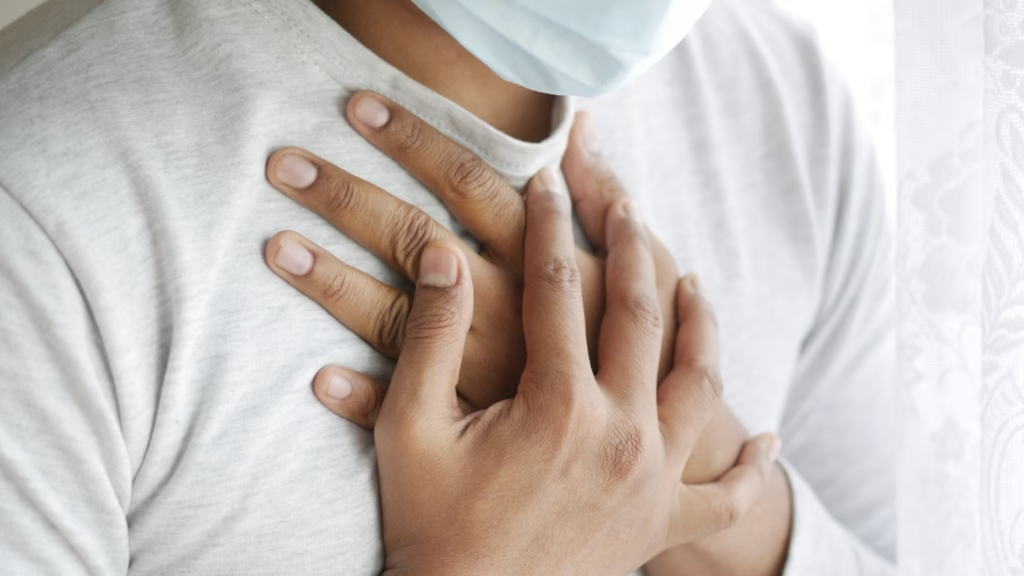
According to Central Pollution Control Board (CPCB) data, Delhi’s 24-hour Air Quality Index (AQI) increased from 324 on 2 November to 350 on 3 November and 377 on 4 November, placing it in the very poor category.
Across Faridabad, Gurugram, Noida and Ghaziabad, the AQI on 4 November ranged from 160 to 330, spanning moderate to very poor categories. Fine particulate matter (PM2.5) and PM10 were the prominent pollutants.
Mumbai’s AQI also increased from 77 on 2 November to 105 on 5 November, entering the moderate category.
The previous year’s pollution levels indicate the potential scale of the problem. In 2025, Delhi’s average PM2.5 concentration increased from 156.6 micrograms per cubic metre before Diwali to 488 micrograms per cubic metre in the 24 hours following the festival, the highest level recorded in five years of data.
Dr Vivek Nangia, Vice Chairman and Head, Pulmonology, Max Super Speciality Hospital, Saket, said the full impact of Diwali fumes on emergency visits was yet to become apparent.
He noted that OPD and emergency visits typically increase by 20-30 per cent around Diwali compared with a normal week.
Dr Jalil Parkar, Consultant Pulmonologist, Lilavati Hospital and Research Centre, said hospitals also witness increased intensive care unit (ICU) admissions following Diwali due to higher air pollution levels.
He highlighted that studies comparing hospital admissions before and after Diwali have documented increases in ICU utilisation and the requirement for both non-invasive and invasive mechanical ventilation.
A prospective observational study conducted at SDS TB Hospital and Sanjay Gandhi Institute of Chest Disease in Bengaluru recorded a 126.7 per cent increase in respiratory admissions during the 15 days following Diwali compared with the preceding 15 days.
Published in the Journal of Evidence Based Medicine and Healthcare, the study analysed 98 patients above the age of 14 admitted with breathlessness. Admissions increased from 30 before Diwali to 68 after the festival.
The average hospital stay increased from 7.59 days to 9.46 days, while the proportion of patients requiring ventilator support rose from 13.3 per cent to 55.9 per cent. Five deaths were recorded in the post-Diwali group.
Dr Parkar also highlighted the impact on patients with existing cardiac conditions, including acute coronary syndromes, hypertensive crises and acute right-heart failure.
Dr Avi Kumar, Additional Director, Pulmonology, Fortis Hospital, said patients with asthma and COPD are particularly vulnerable because PM2.5 particles can penetrate deep into the lungs and trigger inflammation.
He added that the effects of pollution can continue beyond Diwali, causing persistent coughing, wheezing, chest tightness and breathlessness.
Research led by IIT Delhi, IIT Kanpur and PRL Ahmedabad, published in Atmospheric Pollution Research in 2022, found that the direct impact of fireworks on pollution levels declined within approximately 12 hours, while biomass-burning emissions increased in the days following the festival.
A 2025 study published in Scientific Reports also found elevated PM2.5 and PM10 deposition in the respiratory tract throughout a five-day post-Diwali observation period in Delhi.
Firecracker Injuries Can Cause Permanent Damage
Firecracker-related injuries remain another major concern for emergency departments, with cases ranging from minor burns to serious eye and hand injuries that can result in permanent functional damage.
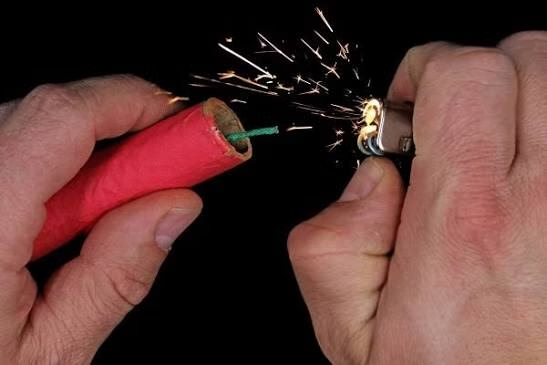
The Ministry of Health and Family Welfare’s 2026 firecracker safety guidelines cite an estimated annual incidence of seven firecracker-related injuries per 100,000 people, based on a 2021 study published in the Indian Journal of Burns.
AIIMS Delhi reported 190 cases of firecracker and carbide gun-related eye injuries during the 10-day Diwali period in 2025, marking a 19 per cent increase compared with 2024.
Another multicentric study published in the Indian Journal of Ophthalmology analysed 67 firecracker-related eye injury cases across three tertiary eye care centres in Central and Western India during the 2023 and 2024 Diwali periods.
Children accounted for 62.7 per cent of the cases, while nearly 90 per cent of those injured were male. More than 40 per cent of patients presented with severe visual impairment, and 23.9 per cent required surgical intervention.
Dr Sanjay Jaiswal, Director and HOD, Emergency and Trauma, Max Super Speciality Hospital, Noida, said firecracker-related injuries accounted for around 3 per cent of the hospital’s emergency footfall during Diwali week last year, with most patients presenting with minor first-degree burns.
Dr Renaldo Pavrey, Senior Consultant and Clinical Lead, Department of Emergency Medicine, Lilavati Hospital and Research Centre, Mumbai, identified complex hand injuries, severe ocular trauma and deep burns involving functionally important body regions as the most concerning cases.
He explained that firecracker explosions combine explosive force with thermal damage, potentially causing devastating hand injuries.
Eye injuries, including globe rupture, intraocular foreign bodies, retinal damage and severe corneal injuries, can result in irreversible visual impairment or blindness.
Deep burns involving the hands, face, neck and major joints may require debridement, skin grafting and prolonged rehabilitation. Such injuries can also lead to scarring and contractures that affect mobility, appearance and quality of life.
Doctors Highlight Immediate First Aid Measures
Doctors have stressed that appropriate first aid during the initial minutes following a firecracker injury can help prevent further damage before the patient reaches a hospital.
Dr Raghuveer Rao, Lead Consultant, Emergency Medicine, Manipal Hospital Yeshwanthpur, advised that in cases of eye injuries, the affected eye should be washed immediately and thoroughly with clean running water. Washing should continue while arrangements are made to reach the nearest hospital.
He explained that firecrackers can release chemical particles that may come into contact with the eyes, and washing helps flush them out and reduce the possibility of further injury.
For burns involving the limbs, chest, abdomen or other body parts, the affected area should be placed under cool running tap water for at least 15 to 20 minutes. This helps limit burn depth and reduce tissue damage.
As Diwali celebrations continue, the pressure on emergency and critical care services will depend on the number of patients seeking treatment and the severity of injuries and respiratory complications. Doctors emphasise that careful handling of fireworks, timely first aid and limiting exposure to polluted air can help reduce avoidable emergencies during the festive period.