


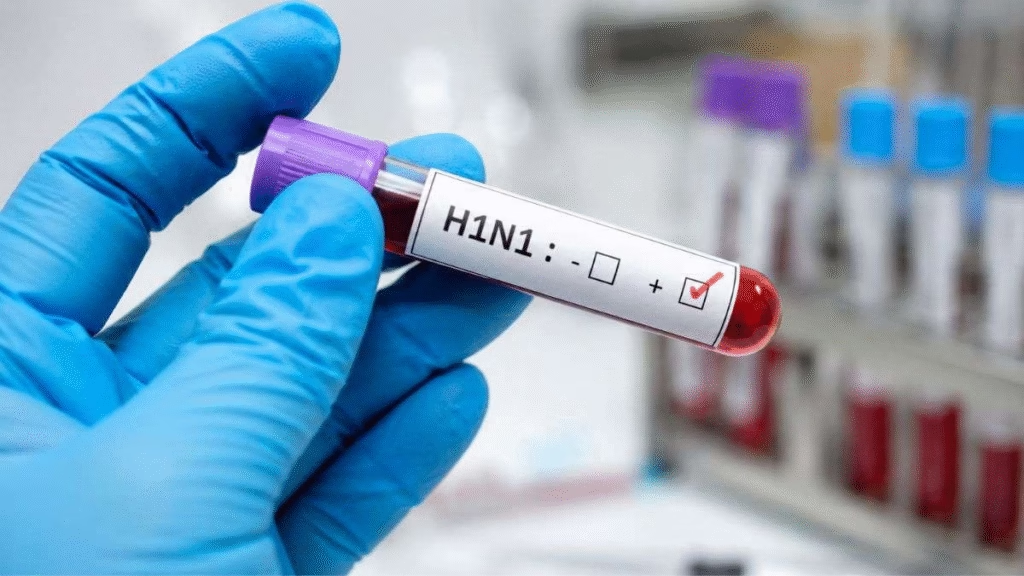
Delhi-NCR is witnessing a sharp rise in H1N1 infections, with reported cases increasing nearly eight-fold compared with the same period last year. While authorities have stepped up surveillance and hospital preparedness, experts say the increase should prompt vigilance rather than panic.
Delhi Records Nearly Eight Times More H1N1 Cases
Delhi has reported 1,777 H1N1 cases so far this year, compared with 229 cases during the corresponding period last year.
The rise has prompted the Delhi Health Department to review the situation with the Municipal Corporation of Delhi and hospitals. Health authorities have been asked to strengthen surveillance, preparedness and implementation of necessary protocols.
The Centre is also reviewing the situation. Union Health Minister JP Nadda meet with Delhi’s Health Minister and senior officials from the Ministry of Health and Family Welfare and the Government of NCT of Delhi and assess the current situation.
Despite the increase, Delhi government officials have maintained that there is no cause for panic.
The Bigger Concern: Falling Oxygen and Breathing Difficulty
The rise in case numbers becomes more significant when patients begin presenting with severe respiratory symptoms.
Doctors in the region are reporting an increase in patients with flu-like illness, while some patients have developed breathing difficulties and falling oxygen levels.
H1N1 can cause fever, dry cough, sore throat, headache, body aches, chills and fatigue. Most otherwise healthy people recover, but influenza can occasionally progress to pneumonia and other serious complications.
Warning signs include breathlessness, chest pain, persistent high fever, confusion, bluish lips or rapidly worsening symptoms.
Why Does H1N1 Come Back Every Year?
The recurring nature of influenza is not necessarily because the same outbreak is returning every year. Instead, influenza viruses continue to circulate and change over time.
A key reason is antigenic drift, in which small genetic changes occur in the virus. These changes can affect how well existing immunity protects people against newly circulating strains.
Immunity can also decline over time. Someone who had influenza previously may therefore remain susceptible to infection later, particularly if the circulating virus has changed.
This is one reason influenza vaccination is periodically updated to better match the strains expected to circulate.
Weather Is Only One Part of the Equation
Delhi-NCR’s humid and fluctuating weather conditions may contribute to the seasonal increase in respiratory infections, but weather alone does not explain recurring H1N1 outbreaks.
Transmission is also influenced by population immunity, viral evolution, crowding, ventilation and close contact between people.
Monsoon and seasonal weather changes can therefore create conditions in which respiratory viruses spread more efficiently, particularly in densely populated urban environments.
Who Is Most Vulnerable?
Although H1N1 can affect anyone, the risk of severe disease is higher among certain groups.
These include:
- Older adults
- Young children
- Pregnant women
- People with diabetes
- Individuals with chronic heart or lung disease
- People with weakened immunity
For these groups, early medical assessment is particularly important if influenza symptoms develop.
Early Treatment Can Make a Difference
Antiviral medicines can be important in patients with influenza, particularly those at increased risk of complications or those with moderate to severe disease.
Oseltamivir is generally most effective when initiated early, based on medical assessment. Antibiotics, however, do not treat influenza viruses and are not routinely required unless there is evidence of a secondary bacterial infection.
The distinction is important because unnecessary antibiotic use can contribute to antimicrobial resistance.
What Are Authorities Looking For?
The most important question is not simply how many H1N1 cases are being reported, but how many patients are developing severe disease.
Health authorities are expected to monitor:
- Hospital admissions
- Oxygen requirements
- Severe pneumonia
- Intensive-care demand
- Availability of hospital beds
- Diagnostic capacity
- Antiviral medicine availability
- Trends in deaths and complications
A rise in reported cases can reflect increased transmission, greater testing or improved detection. Therefore, hospitalisation and severity trends will provide a clearer picture of the actual public-health burden.
Delhi Strengthens Surveillance and Hospital Readiness
The Delhi Health Department’s discussions with MCD and hospitals are focused on ensuring that the healthcare system remains prepared if cases continue to rise.
Strengthening surveillance can help authorities identify clusters early, while adequate testing and treatment capacity can reduce delays in managing severe cases.
The upcoming Centre-Delhi review is expected to assess the epidemiological situation and determine whether existing surveillance and healthcare infrastructure are sufficient to respond to the increase.
Can H1N1 Be Prevented?
Preventive measures remain important during periods of increased influenza activity.
People can reduce transmission by:
- Maintaining regular hand hygiene
- Covering the mouth and nose while coughing or sneezing
- Avoiding close contact when unwell
- Staying home while experiencing significant symptoms
- Improving ventilation in indoor spaces
- Seeking medical advice when symptoms become severe
Influenza vaccination can also reduce the risk of influenza infection and complications, particularly among people at higher risk.
The Analytical Takeaway
The nearly eight-fold rise in Delhi’s reported H1N1 cases deserves attention, but the numbers alone do not indicate that a public-health emergency is underway.
The more important signals will be whether severe cases, oxygen requirements, hospitalisations and deaths increase alongside infections.
H1N1’s recurring seasonal presence is a reminder that influenza is an evolving respiratory virus rather than a one-time disease. Continuous surveillance, vaccination, early treatment and hospital preparedness are therefore more effective strategies than reacting to each seasonal spike with alarm.
For Delhi-NCR, the current message is clear: stay alert, strengthen preparedness and watch the severity indicators but there is no reason for unnecessary panic.