


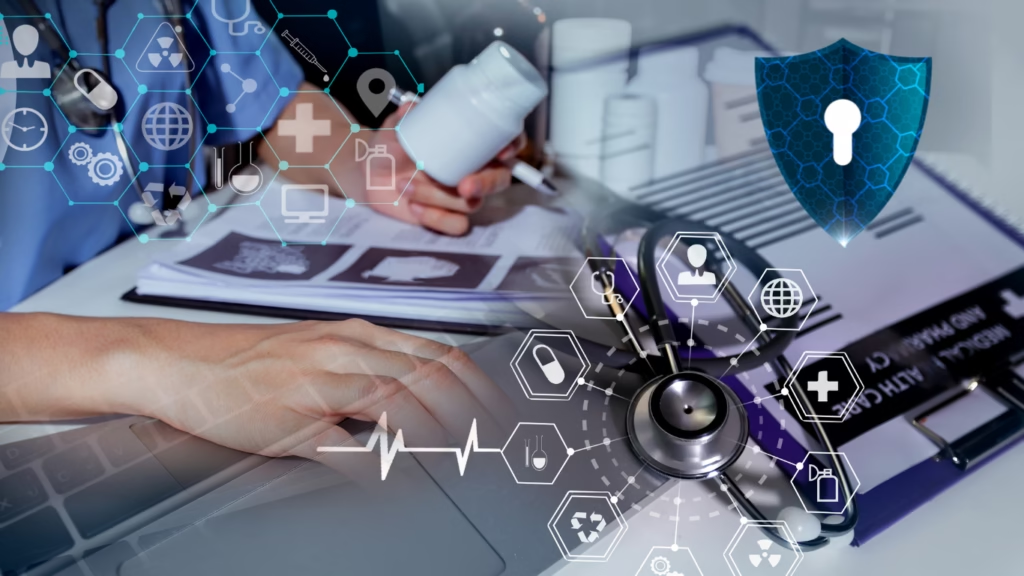
As healthcare continues to embrace digital technology, safeguarding sensitive patient information has become a major challenge. The increasing use of electronic records and technology has exposed the sector to various cyber threats, making cybersecurity a critical focus.
The importance of cybersecurity in healthcare goes beyond just protecting data; it is essential for preserving patient trust, meeting regulatory standards, and ensuring smooth hospital operations. This article delves into the current cyber threats facing healthcare, the best strategies for protection, and how cyber insurance can help mitigate potential financial losses.
Key Aspects of Cybersecurity in Healthcare
- Data Protection: Data protection is a fundamental aspect of cybersecurity in healthcare, which involves preventing unauthorized access, data breaches, and cyberattacks on patient records. Ensuring the security of health data is essential for compliance with regulations such as HIPAA and GDPR, as well as for fostering trust between patients and healthcare providers.
Effective data protection strategies include:
- Access Controls: Ensuring only authorized staff can access patient information, reducing unauthorized usage.
- Regular Audits: Routine checks help identify vulnerabilities and ensure compliance with security protocols.
- Patient Empowerment: Allowing patients to access and manage their own data promotes transparency and enhances trust.
- Cybersecurity Risks and Challenges
Healthcare systems face numerous cybersecurity threats and obstacles, including:
- Cyberattacks: The rise in ransomware and phishing attacks has increased the risk of data breaches, disrupting services and putting patient safety at risk.
- Outdated Technology: Many healthcare organizations still use outdated software, which may lack critical security updates, leaving systems vulnerable.
- Complex Regulations: Navigating complex data protection regulations like HIPAA and GDPR can be challenging. Non-compliance may result in significant fines.
- Encryption: Encryption plays a crucial role in protecting patient data by encoding information, making it accessible only to authorized users.


Key encryption practices include:
- Secure Data Transmission: Encrypting data during transmission ensures that patient information remains confidential when shared between systems.
- Regulatory Compliance: Encryption helps meet regulatory requirements, such as protecting Protected Health Information (PHI), by making data unreadable to unauthorized parties.
- Building Trust: Prioritizing encryption assures patients that their data is secure, enhancing confidence in healthcare services.
- Cyberattacks on Medical Devices
The increasing reliance on connected medical devices has introduced new cybersecurity risks.
- Rising Vulnerabilities: Recent studies have found thousands of vulnerabilities in medical devices, many of which are critical.
- Data and Safety Risks: These vulnerabilities not only compromise sensitive data but may also jeopardize patient safety.
- Need for Stronger Security: As more devices become interconnected within healthcare systems, stronger cybersecurity protocols are necessary to prevent breaches and protect patient health.
Common Cyber Threats in Healthcare
Healthcare is a prime target for cybercriminals due to the sensitive nature of its data and services. Some major threats include:
- Phishing: Deceptive tactics used to trick healthcare workers into revealing sensitive information. Employing email authentication protocols can help reduce these risks.
- Data Breaches: Healthcare data breaches are costly, with an average breach costing over $10 million, damaging reputation and incurring fines.
- Ransomware: Cybercriminals encrypt critical data and demand ransom for its release, disrupting healthcare services and causing delays.
- Malware: Viruses and spyware can infect systems, damaging operations and compromising data. Malware is a significant threat to the continuity of healthcare IT systems.
- Insider Threats: Employees or contractors may intentionally or unintentionally jeopardize security. Educating staff on best cybersecurity practices is crucial for minimizing these risks.
- DDoS Attacks: Distributed Denial of Service attacks overload healthcare networks with excessive traffic, causing service disruptions.
- SQL Injection: Exploiting application vulnerabilities to gain unauthorized access to databases, potentially leading to large-scale data breaches.
The Importance of Cybersecurity in Healthcare
As technology becomes increasingly integrated into healthcare, cybersecurity is essential for protecting sensitive information and preventing financial damage.
- Protecting Private Data: Cybersecurity measures are designed to protect sensitive data like personally identifiable information (PII) and protected health information (PHI), which is critical to avoid identity theft, reputational damage, and costly fines. Maintaining confidentiality is essential to patient trust and ethical standards in healthcare.
- Preventing Financial Loss: The financial consequences of cyberattacks can be substantial, including direct losses, legal fees, regulatory fines, and lost business. Healthcare organizations should invest in robust cybersecurity measures and, where necessary, cyber insurance to protect against these potential losses.
- Fostering Patient Trust: When healthcare organizations implement strong cybersecurity practices, patients are more likely to trust them with their personal data. A reputation for prioritizing data security can differentiate healthcare providers in a competitive market.
- Regulatory Compliance: Healthcare institutions must comply with various regulations, such as HIPAA, which mandates the protection of electronic personal health information (ePHI). Adhering to these standards is crucial to avoid legal consequences and penalties. Regular audits and cybersecurity protocols ensure compliance and data protection.


Effective Cybersecurity Strategies in Healthcare
To enhance cybersecurity, healthcare organizations can implement the following strategies:
- Risk Assessment: Regularly identifying vulnerabilities helps healthcare organizations address potential security gaps.
- Layered Security: Using multiple security layers ensures that if one fails, others will still protect sensitive data.
- Access Controls: Limiting data access to essential personnel helps reduce the chances of exposure.
- Software Updates and Patches: Regularly updating software ensures vulnerabilities are patched, reducing the risk of exploitation.
- Data Encryption: Encrypting data ensures that even if it is accessed, it remains unreadable without the decryption key.
Cybersecurity Regulations in Healthcare in India
In India, as the healthcare sector rapidly adopts digital solutions, there is a growing need for stringent cybersecurity practices. While no regulation directly mirrors HIPAA, Indian healthcare providers can voluntarily follow international standards like HIPAA and GDPR for best practices.
- HIPAA Compliance: Following HIPAA standards improves data privacy for healthcare providers working with U.S. entities.
- GDPR Compliance: Aligning with GDPR enhances transparency and consent in data handling, particularly for organizations dealing with EU residents.
- CCPA Compliance: Indian healthcare providers working with California residents must follow the California Consumer Privacy Act (CCPA), which emphasizes data transparency and patient rights.