
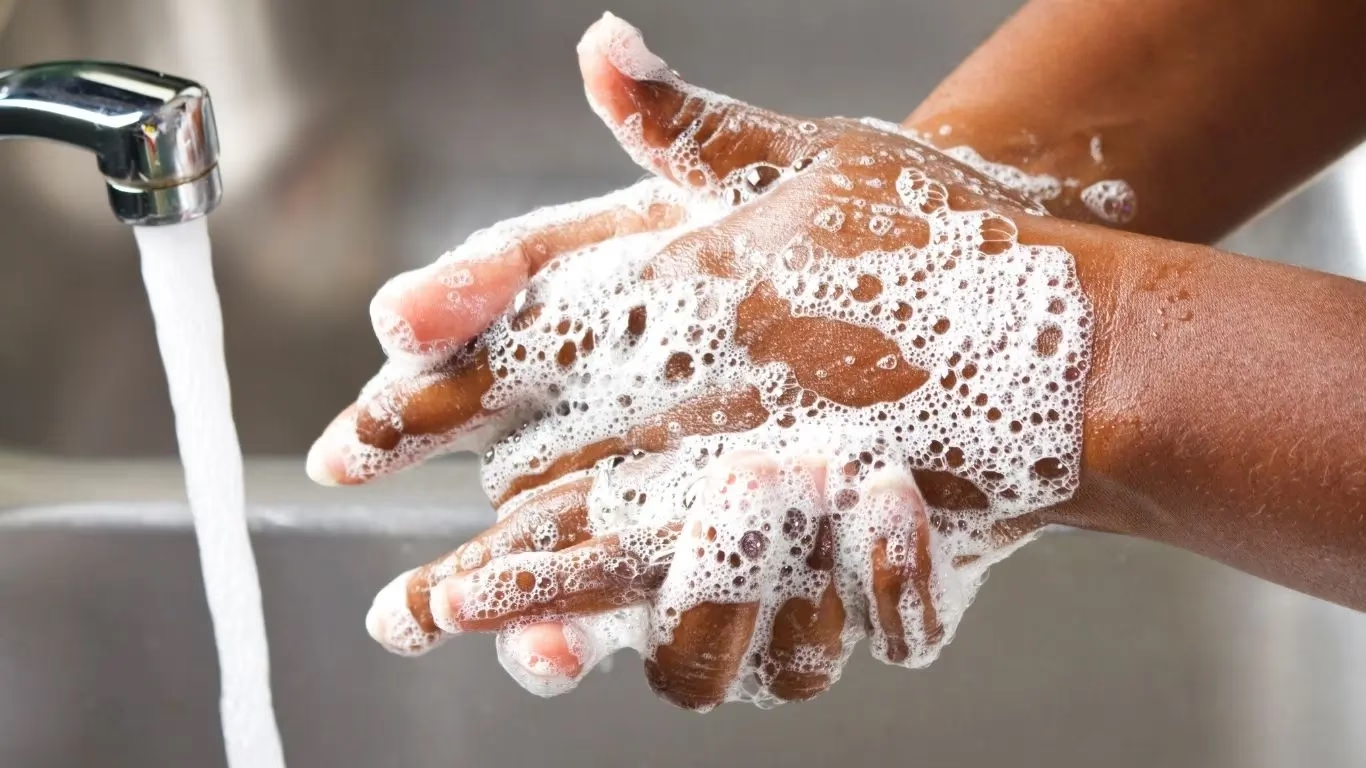
Background and Purpose
Antimicrobial resistance (AMR) has become a growing global concern, making the treatment and prevention of infections more difficult and expensive. One of the key drivers of AMR is the overuse and misuse of antimicrobial agents. Microorganisms adapt and evolve when exposed repeatedly to low levels of these substances, eventually becoming resistant. Hand hygiene (HH), a fundamental method for preventing infections in healthcare settings, has increasingly relied on products containing antimicrobial ingredients, such as bactericidal, fungicidal, and virucidal compounds. However, the long-term use of such products may contribute to the development of AMR.
In this context, a systematic review was conducted to determine whether the prolonged use of antibacterial hand hygiene products leads to antimicrobial resistance and to assess the extent of this risk.
Handwashing Effectiveness: Observational Study Insights
A recent observational study examined how various factors influence the effectiveness of handwashing. Conducted on a university campus, the study assessed the impact of how each handwashing step was performed, the duration of each step, and participant demographics on the removal of hand contaminants.
Key findings included:
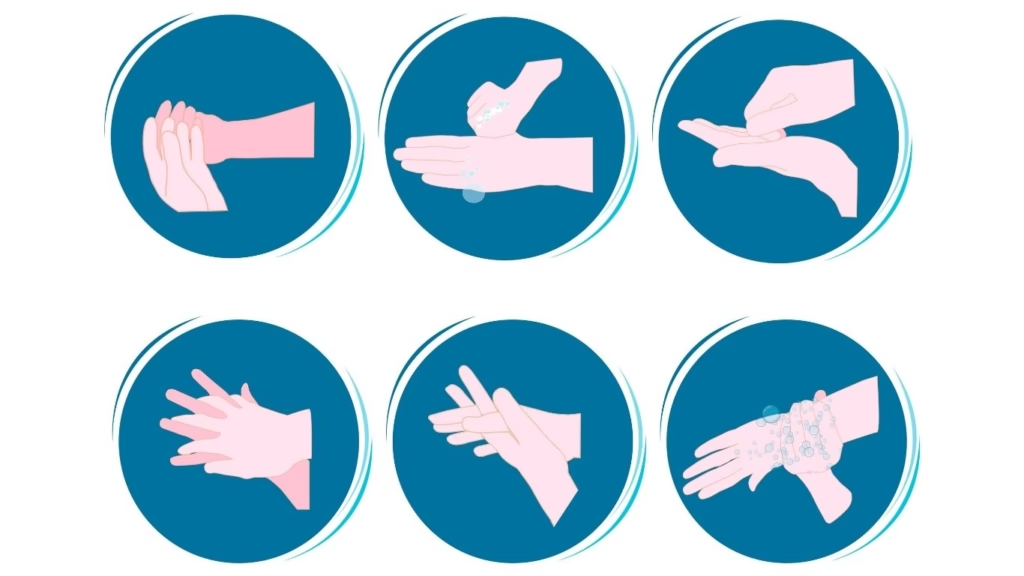
- Step 3 (rubbing between fingers) was most often skipped.
- Step 4 (rubbing the backs of fingers) was most frequently done incorrectly.
- Factors that significantly improved handwashing effectiveness included being female, properly executing steps 4 and 7 (rubbing the wrists), rubbing hands during rinsing, and longer rinsing duration.
- The ideal handwashing time was 31 seconds for all seven steps or 28 seconds for the first six, with 4–5 seconds recommended per step (except step 3).
- Wrists, fingertips, finger webs, and thumbs were the most common areas with residual contaminants, suggesting these areas need more attention.
Fluorescent gel and UV light techniques were used in the study to visually identify unclean areas after washing, and these methods proved useful for hygiene education. Other studies using similar methods also found that women and nursing professionals demonstrated better hand hygiene practices. Nonetheless, this study is unique in its detailed step-by-step duration analysis and its use of a large number of video and image recordings.
Gaps in Current Guidelines
While the World Health Organization (WHO) recommends a total handwashing duration of 40–60 seconds, it does not specify time allocations for each step. The study’s results suggest a more detailed guideline could improve hygiene outcomes. The U.S. Centers for Disease Control and Prevention (CDC) and other international bodies typically recommend 15–20 seconds of scrubbing, particularly when using alcohol-based hand rubs (ABHR), but these recommendations are not always evidence-based.
A new and engaging serious game titled “My 5 Moments: The Game” has been launched by the WHO. This teaser video offers a glimpse into the game’s unique approach to promoting hand hygiene awareness. Designed for healthcare workers and students, the game encourages players to apply the “5 Moments for Hand Hygiene” in realistic clinical scenarios. Set in a fictional intergalactic hospital, players face interactive challenges that test their understanding of proper hygiene practices during compassionate, patient-centered care. This creative and educational tool is a free resource developed through a collaborative effort between the WHO Infection Prevention and Control Hub, the WHO Academy, Marist University, and Serious Games Interactive.
Training and Compliance Issues
Only 14.4% of participants in the study performed all seven steps correctly, despite having received theoretical instruction. This indicates that lectures alone may be insufficient; hands-on training is necessary to develop proper technique. Interestingly, multiple attempts at handwashing were associated with poorer outcomes, possibly due to confusion or lack of confidence. Targeted training, especially focusing on commonly missed areas like wrists and fingertips, is needed.
Concerns Over Antimicrobial Hand Hygiene Products and Resistance
Hand hygiene products often include alcohol or detergents, but many also contain antimicrobial agents such as triclosan a synthetic compound effective against a wide range of bacteria. While these ingredients enhance short-term effectiveness, repeated and prolonged use can promote bacterial adaptation and resistance.
Studies have shown that bacteria can develop resistance when exposed over time to these substances, although no comprehensive review has previously quantified this effect. In response, the current systematic review aims to assess whether prolonged use of antimicrobial hand hygiene products contributes to the development of AMR and to what extent.
Conclusion and Future Directions
This combined review and observational study highlight two key issues:
- Hand hygiene technique and training: There is a clear need for improved, hands-on training and evidence-based guidelines on step durations to enhance hygiene effectiveness.
- Antimicrobial resistance risk: The long-term use of antimicrobial compounds in hand hygiene products could pose a significant risk for AMR, warranting cautious use and further investigation.
Future research should explore optimal hand hygiene durations in real clinical settings and use bacterial cultures for more accurate assessments. Additionally, more stringent and well-supported guidelines on hand hygiene practices could help reduce the risk of AMR while improving infection control outcomes.