


A recent report by the Comptroller and Auditor General of India (CAG), tabled in Parliament, has highlighted multiple shortcomings in the functioning of Army-related administrative and healthcare systems. The audit has called for urgent digitisation of site records and pointed out deficiencies in the upkeep of military hospitals, along with delays in payments to personnel.
The report, focused on the Indian Army, includes three key areas: the functioning of Pay and Accounts Offices and the Principal Controller of Defence Accounts (Officers), quality control in Military Engineer Services (MES) contracts, and the management of military hospitals under the Ministry of Defence.
According to the audit, poor maintenance of site records weakened contractor accountability and raised concerns over the reliability of testing processes. It recommended that the Defence Ministry digitise these records and implement necessary changes in procedures such as maintaining CPM charts and improving site lab provisions within a fixed timeframe.
The report also flagged issues in pay disbursement, noting that many Army personnel did not receive timely or accurate payments. Delays in reviewing Provisional Final Settlement of Accounts (PFSA) led to large recoveries at retirement, causing hardship for officers and soldiers. Additionally, gaps in IT systems and missing business rules contributed to incorrect payments.
The audit attributed these lapses to systemic weaknesses in both the Army and the Defence Accounts Department (DAD), which manages pay and accounts. It suggested streamlining processes, especially for publishing Privilege Ticket Orders (PTOs) in HR systems, and recommended automated monitoring tools to reduce errors and rejections.
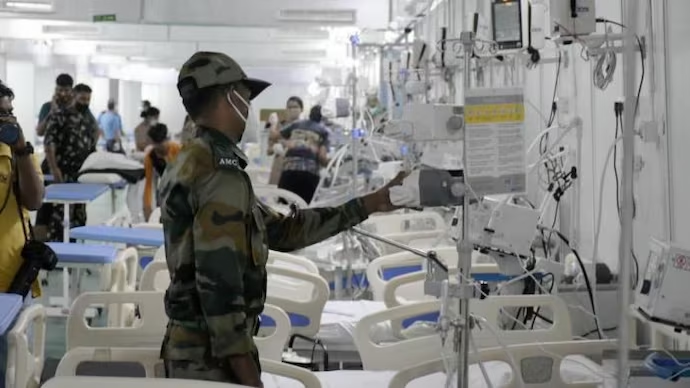
On healthcare infrastructure, the CAG report identified significant shortcomings in military hospitals, largely due to delays in modernization. Many facilities lacked regular structural audits despite ageing buildings, with one instance of partial collapse reported at a hospital in Lansdowne in 2022. Essential systems such as HVAC and firefighting were found inadequate, while storage limitations affected the stocking of medical supplies.
The audit also noted compliance failures, including improper biomedical waste disposal, incomplete documentation under MTP regulations, and operation of X-ray machines without valid licences. It recommended faster modernization of hospital infrastructure, strict adherence to safety norms, and better availability and management of essential medicines.
Further, Armed Forces Medical Stores Depots (AFMSDs) were unable to meet a significant portion of medicine demand from hospitals. Inefficient handling of drug inventories also led to financial losses, with medicines worth ₹13.52 crore remaining unutilised before expiry.
Among the seven Army commands reviewed, the Western Command recorded the highest level of non-compliance. However, the report acknowledged that the Defence Ministry has initiated corrective measures in response to some of the findings.