

Antibiotic Resistance on the Rise: Diseases Like UTI, Typhoid, and Pneumonia No Longer Responding to Treatment, Warns New Study
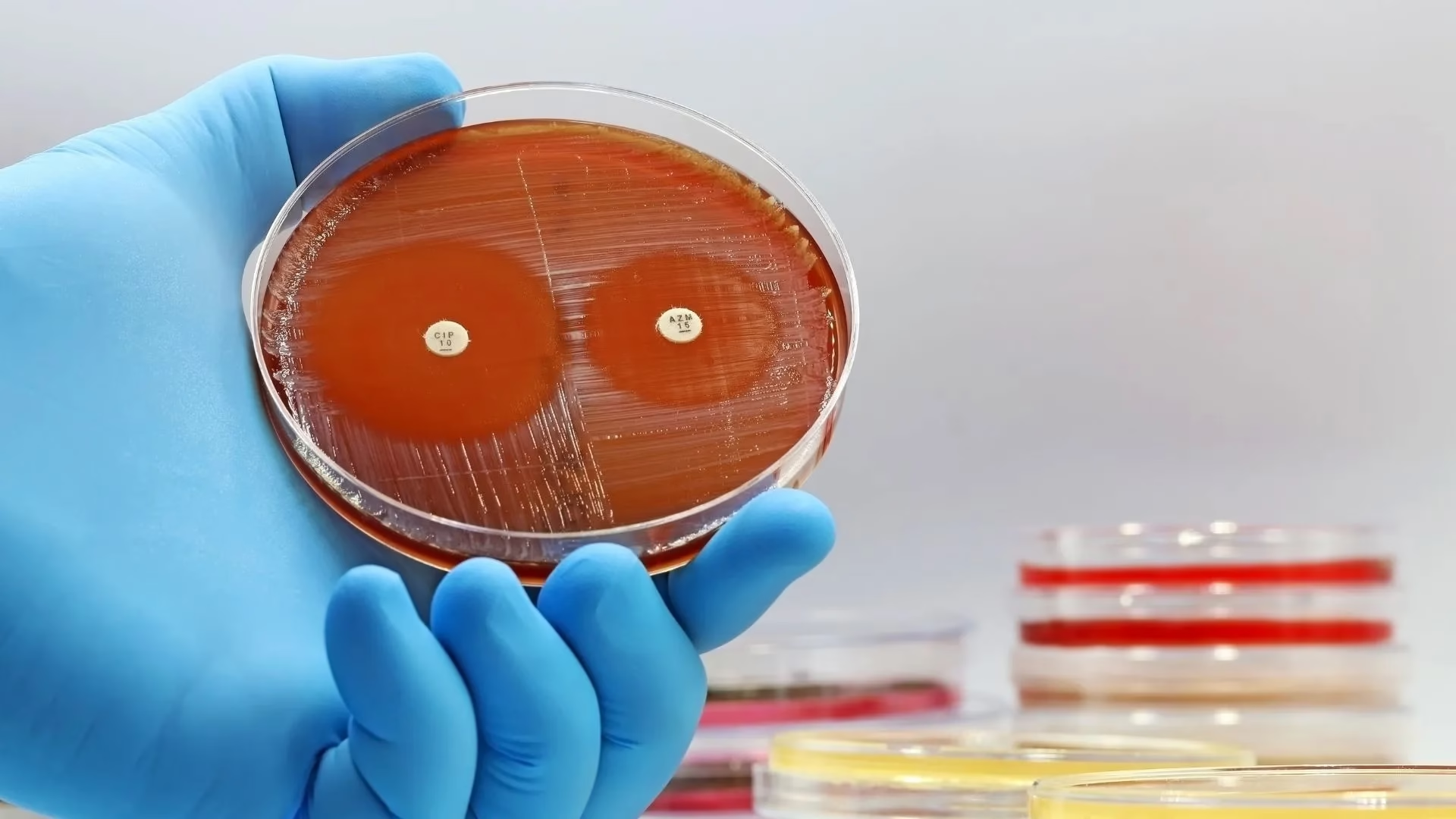
Antibiotic Resistance is becoming a growing threat, as revealed by a recent alarming study, showing that common infections like urinary tract infections (UTIs), typhoid, and pneumonia are increasingly failing to respond to standard antibiotic treatments. This trend poses a serious global health challenge, as these diseases, which were once easily treatable, are now becoming harder to manage due to the emergence of drug-resistant bacteria.
The Global Threat of Antibiotic Resistance
Antibiotic resistance occurs when bacteria evolve in response to the use of these drugs, rendering treatments ineffective. Overuse and misuse of antibiotics in both humans and animals, coupled with inadequate infection control measures, are driving the spread of resistant strains. As a result, the effectiveness of these life-saving medicines is diminishing, leading to higher morbidity and mortality rates, longer hospital stays, and increased healthcare costs.
According to the World Health Organization (WHO), antibiotic resistance is one of the biggest threats to global health, food security, and development today. The WHO has consistently warned that the world is running out of effective antibiotics, and without urgent action, we could be heading toward a post-antibiotic era, where minor infections and injuries could once again become deadly.
Diseases Failing to Respond to Antibiotics
The new study, which analyzed data from hospitals and clinics across several countries, showed a worrying trend: many common bacterial infections are no longer responding to standard treatments. The three primary infections examined in the study—UTIs, typhoid, and pneumonia—have long been treatable with antibiotics, but that is rapidly changing.
- Urinary Tract Infections (UTIs): UTIs are one of the most common bacterial infections worldwide, especially among women. They are typically caused by Escherichia coli (E. coli), which has historically been easily treatable with antibiotics. However, the study found that a growing number of UTI cases are now resistant to commonly prescribed antibiotics like ciprofloxacin and trimethoprim-sulfamethoxazole. This leaves doctors with fewer options for treatment and, in some cases, requires the use of stronger, more expensive drugs that may come with more severe side effects.
- Typhoid Fever: Typhoid, caused by the bacterium Salmonella Typhi, has traditionally been treated with antibiotics such as ampicillin, chloramphenicol, and fluoroquinolones. However, the study highlighted a sharp rise in multidrug-resistant (MDR) typhoid, which has become resistant to these first-line treatments. In particular, strains resistant to fluoroquinolones, which were once the go-to drugs for typhoid, have become more common, especially in parts of South Asia and Africa. This increase in resistance has led to a greater reliance on newer antibiotics like azithromycin and ceftriaxone, but there is concern that these, too, may lose their effectiveness over time.
- Pneumonia: Pneumonia, an infection of the lungs, can be caused by a variety of bacteria, including Streptococcus pneumoniae and Haemophilus influenzae. For decades, antibiotics like penicillin and macrolides (e.g., azithromycin) have been the standard treatments. However, the study revealed that many pneumonia cases are becoming resistant to these antibiotics, particularly in hospital settings where antibiotic use is more widespread. Patients with drug-resistant pneumonia often require more potent, last-resort antibiotics, which can be toxic and may not always be effective.
The Growing Problem of Multidrug-Resistant Bacteria
The rise of multidrug-resistant (MDR) and extensively drug-resistant (XDR) bacteria is at the heart of the antibiotic resistance crisis. MDR bacteria are resistant to at least one drug in three or more antibiotic classes, while XDR bacteria are resistant to nearly all available antibiotics. These superbugs make it incredibly difficult to treat even routine infections.
The study’s findings pointed to the widespread presence of these resistant bacteria in both community and hospital settings. Hospitals, in particular, are hotspots for the development of drug-resistant infections due to the frequent use of antibiotics and the presence of vulnerable patients with weakened immune systems. Common hospital-acquired infections, such as pneumonia and bloodstream infections, are becoming more difficult to treat as a result.
Contributing Factors
Several factors contribute to the rise of antibiotic resistance:
- Overprescription and Misuse: One of the leading causes of antibiotic resistance is the overuse and misuse of antibiotics. In many cases, patients are prescribed antibiotics for viral infections, which do not respond to these drugs, or are given antibiotics for too long or too short a period. This misuse allows bacteria to adapt and develop resistance.
- Use in Agriculture: The widespread use of antibiotics in livestock farming is another significant contributor to resistance. Antibiotics are often used to promote growth and prevent disease in animals, and these resistant bacteria can be transmitted to humans through the consumption of contaminated meat or through environmental exposure.
- Poor Infection Control: Inadequate infection prevention and control measures in hospitals and other healthcare settings contribute to the spread of resistant bacteria. Without proper hygiene practices, resistant strains can easily spread between patients.
- Lack of New Antibiotics: The development of new antibiotics has slowed considerably in recent decades. Pharmaceutical companies have largely shifted focus away from antibiotic research due to the high cost and lower profitability compared to other drugs. As a result, the pipeline for new antibiotics is drying up, leaving few options to combat resistant bacteria.
The Urgent Need for Action
The findings of this study underscore the urgent need for global action to address the growing threat of antibiotic resistance. Governments, healthcare providers, and pharmaceutical companies must work together to promote the responsible use of antibiotics, improve infection control measures, and invest in the development of new drugs.
Public awareness campaigns are also crucial to educate people on the importance of taking antibiotics only when prescribed by a healthcare professional and completing the full course of treatment. In addition, efforts must be made to reduce the use of antibiotics in agriculture and to improve sanitation and infection control in hospitals.
Conclusion
The rise of antibiotic-resistant bacteria is one of the most pressing global health issues of our time. Diseases like UTIs, typhoid, and pneumonia, which were once easily treatable, are becoming more difficult to manage as bacteria evolve to resist standard therapies. Without urgent action, we may face a future where common infections are once again deadly, and life-saving surgeries and treatments become far riskier. The fight against antibiotic resistance requires immediate, coordinated global action to preserve the efficacy of antibiotics for future generations.