


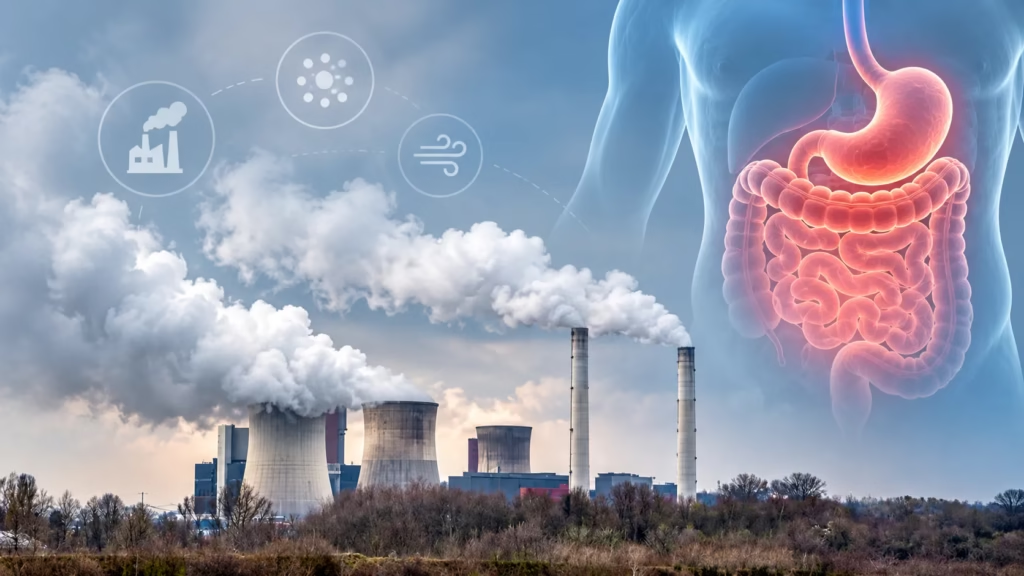
The growing concern over gastrointestinal cancers among younger patients comes amid increasing scientific interest in the long-term health consequences of air pollution. As per latest reports in 2026 examining 70 studies on air pollution and gastrointestinal diseases reported an association between prolonged exposure to fine particulate matter (PM2.5) and higher mortality from gastrointestinal cancers particularly colorectal cancer. Another study published in 2026 examined cancer burdens across 952 locations between 2000 and 2020 and reported associations between exposure to PM2.5, nitrogen dioxide and ozone and overall cancer risk. However, these findings do not establish that air pollution directly causes gastrointestinal cancers or explain why some patients are developing the disease at a younger age.
Ground-level ozone has emerged as a pollutant of particular interest. Unlike the protective ozone layer in the upper atmosphere, ground-level ozone is a harmful air pollutant formed when nitrogen oxides and volatile organic compounds react in sunlight. While public discussion of air pollution often focuses on PM2.5 and PM10 experts say ozone exposure also warrants greater attention in research on long-term health risks.
The Need for India-Specific Research
Experts have called for dedicated Indian studies to understand whether long-term exposure to air pollutants contributes to gastrointestinal cancer risk and whether environmental factors may be associated with the changing age profile of patients. Such research would need to account for other established or suspected risk factors, including dietary patterns, obesity, smoking, alcohol consumption, family history, genetic susceptibility and underlying medical conditions.
The issue was highlighted during the international conference on colorectal and other gastrointestinal cancers organised by Sir Ganga Ram Hospital in collaboration with the UK’s The Christie NHS Foundation Trust on October 10–11, 2026. The conference brought attention to the importance of collaboration between clinicians and researchers in improving cancer prevention, early diagnosis and treatment. The appearance of gastrointestinal cancer in a teenager does not, by itself establish an environmental cause. However, reports of younger patients underscore the importance of investigating unusual clinical patterns, strengthening cancer registries and developing research capable of identifying potential risk factors.
As India continues to grapple with severe air pollution in major urban centres, the possible relationship between environmental exposure and cancer represents an important area for public health research. Establishing whether a causal link exists will require robust, long-term studies rather than relying solely on individual cases or emerging associations.