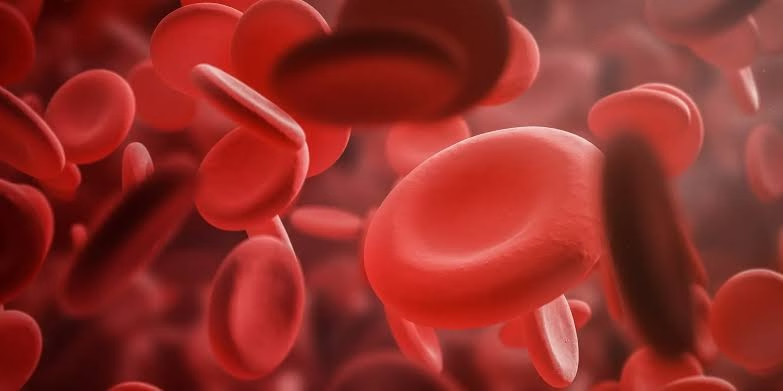
More than half of women of reproductive age in India are affected by anaemia, while nearly two-thirds of adolescents have vitamin B12 deficiency, according to a nationwide survey conducted by the Indian Council of Medical Research (ICMR). The findings highlight persistent nutritional deficiencies across different age groups and underline the need for broader interventions beyond iron supplementation.
Women and Adolescents Face High Anaemia Burden
The ICMR-National Institute of Nutrition’s SAMPADA survey (2023–25) found anaemia in 55.9% of non-pregnant, non-lactating women aged 15-49 years. The prevalence was also significant among adolescent girls, at 46.3%, compared with 22.8% among adolescent boys.
Among other groups, anaemia affected 43.6% of pregnant women, 58.1% of lactating women and 22% of adult men aged 20–59 years. Children were also affected, with prevalence standing at 41.8% among those aged 12–59 months and 31.3% among children aged 5-9 years.
Vitamin B12 Deficiency Emerges as a Major Concern
The survey identified widespread vitamin B12 deficiency, particularly among adolescents. Around 66.1% of adolescent boys and 65.4% of adolescent girls were found to be deficient.
The deficiency was also reported in 57.4% of women of reproductive age, 60.4% of adult men, 63.1% of pregnant women and 51.8% of lactating women.
Anaemia Not Always Linked to Iron Deficiency
The findings indicate that iron deficiency alone does not explain the high prevalence of anaemia. Iron deficiency accompanied anaemia in only 27% of adolescent girls and women of reproductive age.
Iron deficiency itself affected 36.3% of adolescent girls, 34.1% of women of reproductive age, 29.6% of pregnant women and 23% of children aged 12–59 months.
Dr Tulika Seth, Professor of Haematology at AIIMS, highlighted that anaemia can also result from conditions such as thalassaemia, sickle cell disease, aplastic anaemia, chronic kidney disease, tuberculosis and cancer. She noted that iron supplementation alone may not benefit patients with these conditions.
She also said that work is underway with the Anaemia Mukt Bharat programme to develop simple algorithms for identifying such cases.
Survey Covers Over Two Lakh People
The SAMPADA survey covered more than two lakh people across 183 districts in 35 states and Union Territories. It collected information from over 81,000 households and analysed more than 1.7 lakh blood samples.
The findings also address a data gap in the NFHS-6 fact sheets, which did not include anaemia estimates. The government had indicated that these estimates would be obtained through an independent ICMR survey using venous blood samples.