
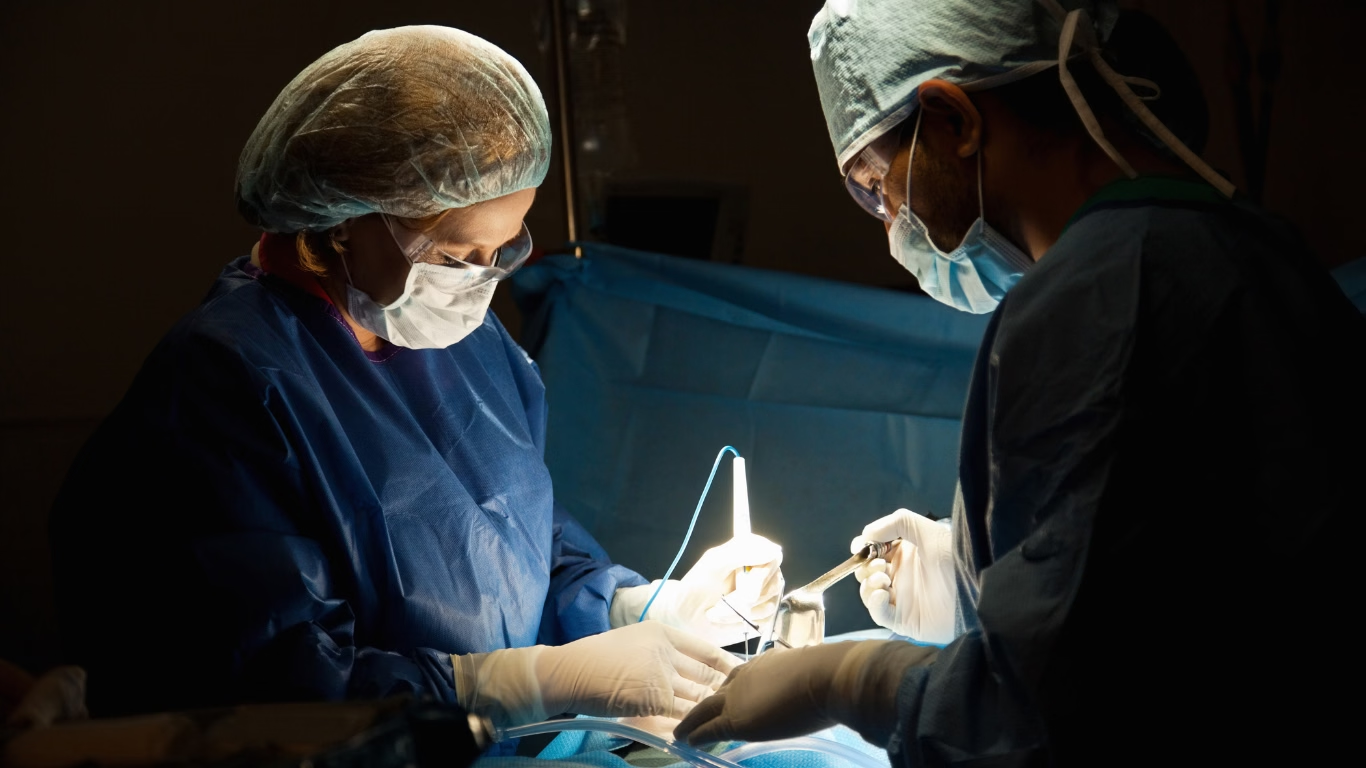
The Maharashtra government has mandated regular audits of Caesarean section (C-section) deliveries across public health institutions, following data indicating that nearly half of institutional births in the state are performed through surgical procedures.
According to health department figures up to September 2026, Maharashtra recorded 6,41,928 institutional deliveries since January, of which 3,07,188 (nearly 48%) were C-sections. The proportion was considerably higher in private hospitals, at 59%, compared to 37% in government facilities.
Private Hospitals Record Higher C-Section Rates
The district-wise data revealed significant variations in surgical delivery rates across the state. Bhandara reported the highest rates among districts, with C-sections accounting for 64% of deliveries in government facilities and 86% in private hospitals.
Other districts reporting high rates in the private sector included Gondia (84%), Amravati (77%), Nagpur (75%) and Chandrapur (74%).
Among municipal corporations, Kolhapur recorded the highest private-sector C-section rate at 82%, while Akola topped the public-sector list at 69%.
Hospitals Directed to Conduct Regular Audits
In a circular issued by Additional Director of Health Services Dr Sandeep Sangale, the state health department directed civil surgeons, municipal health officers and government medical college deans to ensure systematic reviews of Caesarean deliveries.
The directive emphasises that C-sections should primarily be undertaken when medically necessary, particularly in emergencies involving risks to the mother or newborn. The listed medical indications include previous Caesarean deliveries, premature birth, breech or transverse presentation, antepartum haemorrhage, twin pregnancies and cephalopelvic disproportion.
Mandatory Review and Reporting Mechanism
Under the Centre’s LaQshya quality improvement initiative, designated Comprehensive Emergency Obstetric and Newborn Care (CEmONC) facilities handling high delivery volumes are required to conduct audits using a revised format.
Operating doctors must complete C-section audit forms on the day of surgery. Each primary and secondary Caesarean delivery must undergo an audit on the same day or the following day, with the reviewing doctor providing an impartial assessment of the procedure’s medical necessity.
The government has also asked district and municipal health authorities to counsel private medical practitioners and encourage them to adopt the audit mechanism.
Monthly Reviews and Quarterly Reporting
Audit findings will be reviewed during monthly LaQshya quality circle meetings, with participation from professional organisations, including the Federation of Obstetric and Gynaecological Societies of India (FOGSI) and the Association of Maharashtra Obstetric and Gynaecological Societies (AMOGS), wherever required.
Healthcare institutions must submit monthly audit reports to district nodal officers by the fifth of each month. District Reproductive and Child Health officers will forward consolidated reports to the state by the 10th, followed by quarterly submissions to the Union Health Ministry.