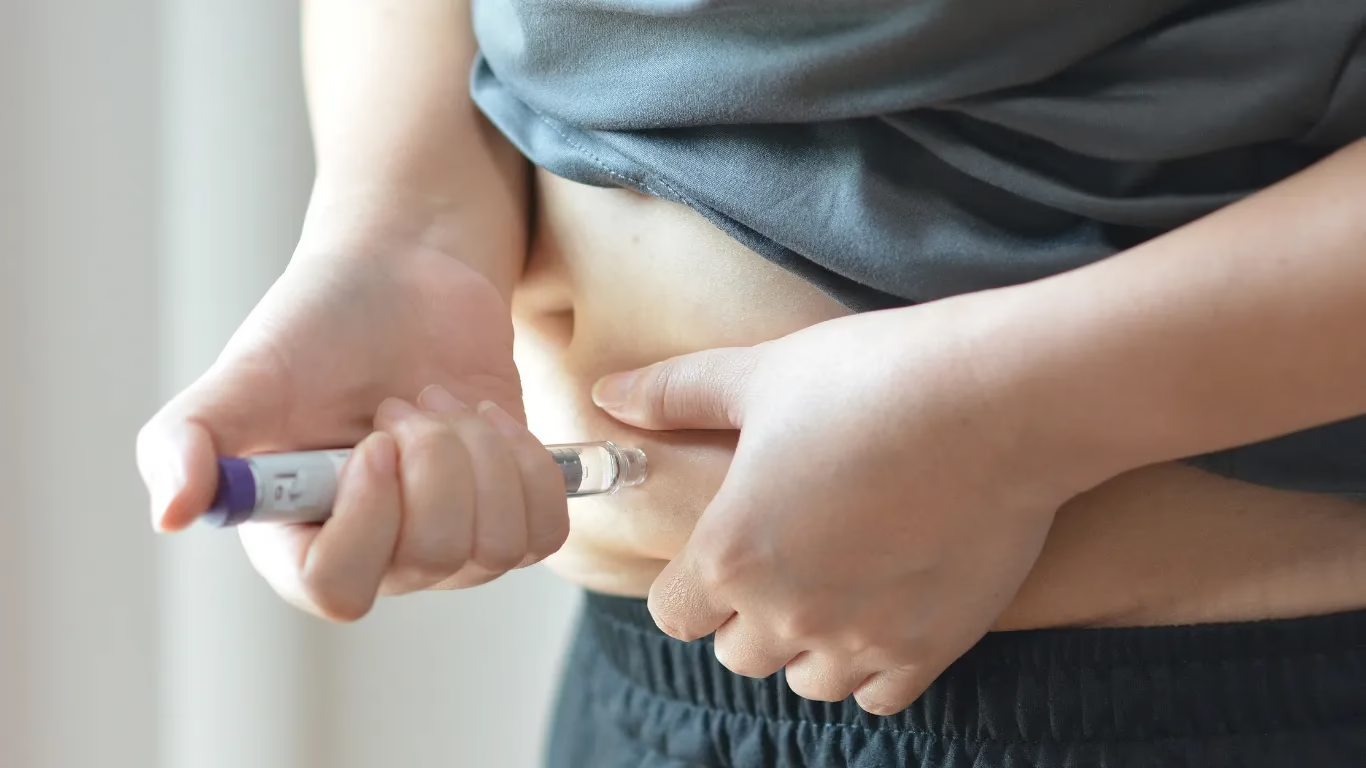
Weight-loss injections may help some women with Polyendocrine Metabolic Ovarian Syndrome (PMOS), previously known as PCOS, manage excess weight and associated metabolic complications. However, specialists have cautioned that these medications do not cure the hormonal condition and should only be used under medical supervision.
With glucagon-like peptide-1 (GLP-1) receptor agonists gaining popularity for weight management, experts have stressed the need for individualised treatment based on a woman’s symptoms, metabolic health, body weight and reproductive plans.
Dr Hrishikesh Pai, Gynaecologist and IVF Specialist and Medical Director of Bloom IVF Group, said excess weight is only one aspect of PMOS, which can also cause irregular menstrual cycles, acne, excessive hair growth and ovulation-related difficulties.
He explained that weight reduction may improve metabolic health and menstrual regularity in some women, but it does not address or eliminate the underlying hormonal disorder. Treatment should therefore focus on individual symptoms and long-term health requirements rather than weight loss alone.
GLP-1 medicines work by regulating appetite, increasing satiety and controlling blood sugar levels. Depending on the drug, they may be prescribed for type 2 diabetes or weight management in eligible patients. However, PMOS itself is not an established standalone indication for these medicines.
The 2023 International Evidence-based Guideline for the Assessment and Management of Polycystic Ovary Syndrome states that anti-obesity medications, including semaglutide and liraglutide, may be considered for adults with PCOS and higher weight, following general obesity-management recommendations and alongside lifestyle interventions.
Dr Kunal Gupta, Consultant Endocrinologist at SPARSH Hospital, Infantry Road, Bengaluru, said prescribing decisions should be based on a clinical assessment of body weight, blood glucose levels, insulin resistance and associated metabolic risk factors.
He cautioned that a PMOS diagnosis alone does not justify the use of weight-loss injections. Patients should be assessed for their eligibility, potential benefits, adverse effects and alternative treatment options before starting medication.
Dr Gupta also highlighted the possibility of weight regain after discontinuing GLP-1 medicines, as their appetite-suppressing effects diminish. He stressed that patients require long-term weight-management strategies and medical guidance when stopping treatment.
Common side-effects of these medications include nausea, vomiting, diarrhoea, constipation and abdominal discomfort. More serious complications, including gallbladder problems and pancreatitis, may also occur, making medical supervision and regular monitoring important.
Pregnancy planning is another consideration in women with PMOS. Dr Megha Mittal, Senior Consultant, Obstetrics and Gynaecology, Apollo Spectra Hospital, Delhi, said improvements in metabolic health and ovulation may increase the chances of conception in some women.
She advised women planning pregnancy to consult their doctors before starting or continuing these medications. GLP-1 medicines should not be used for weight loss during pregnancy, and the interval between stopping treatment and attempting conception varies by drug.
For example, semaglutide should be discontinued at least two months before a planned pregnancy. Women should also discuss contraception and preconception care with their gynaecologists.
Experts emphasised that PMOS management requires a broader approach covering menstrual health, fertility goals, mental well-being and metabolic risks, including type 2 diabetes. Depending on individual symptoms and clinical assessment, treatment may include lifestyle modifications, hormonal contraceptives, metformin or fertility-related interventions.
They stressed that the objective of treatment should be sustainable weight management and improved long-term health, rather than rapid weight loss through self-medication.