
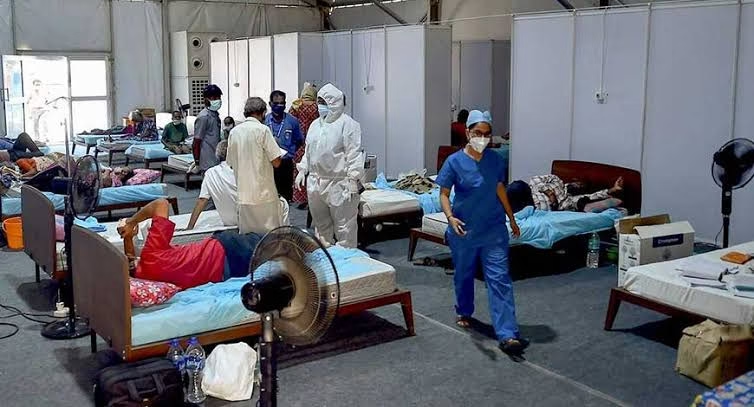
Tata Trusts has outlined plans to develop a network of 40 to 50 not-for-profit general hospitals across India, with a focus on improving access to affordable medical treatment. The initiative forms part of the organisation’s broader efforts to strengthen healthcare delivery and address gaps in medical services, particularly for economically disadvantaged communities.
The proposed hospital network was highlighted by Tata Trusts Chairman Noel Tata in the organisation’s Annual Report for 2025-26. Under the proposed financial model, revenue generated from patients who can afford treatment would help support medical services for those with limited financial resources.
While the Trusts have indicated their intention to establish the hospital network, the annual report does not provide details regarding the investment required, proposed locations or implementation schedule.
Five-Year Healthcare Strategy Targets 25 Lakh People
Alongside the hospital expansion proposal, Tata Trusts has outlined a healthcare strategy for 2026-2031, aimed at improving healthcare access and strengthening public health infrastructure.
The strategy seeks to reach approximately 25 lakh people across 75 blocks while supporting improvements in more than 100 public healthcare facilities.
It also includes plans to extend primary healthcare services to 10 lakh elderly individuals and provide training to over 20,000 frontline healthcare workers.
Improving the prevention and management of chronic conditions, particularly diabetes and hypertension, is another priority under the proposed healthcare framework.
Healthcare and Cancer Care Receive Dedicated Funding
According to the annual report, Tata Trusts disbursed a total of ₹1,556.31 crore during the financial year 2025–26 across its philanthropic programmes.
Of this amount, ₹1,353.32 crore was allocated towards institutional grants and directly implemented projects, while ₹202.99 crore was distributed through individual grants.
Rural upliftment accounted for the largest share of funding at ₹457.62 crore, followed by education at ₹270.26 crore.
Cancer care programmes received ₹178.46 crore, while ₹169.31 crore was allocated to institutions and ₹105.97 crore to healthcare initiatives.
Under individual assistance programmes, ₹143.30 crore was provided for medical support and ₹59.38 crore for education.
Cancer Care Programmes Report Over One Lakh Outpatient Consultations
The report also detailed healthcare services delivered through Tata Trusts’ cancer care initiatives during FY26.
These programmes recorded 1,06,626 outpatient consultations, 24,874 chemotherapy cycles and 2,879 surgical procedures.
The figures reflect the scale of cancer-related services supported by the Trusts during the reporting period.
Focus on Sustainable Healthcare Infrastructure
The proposed hospital network reflects Tata Trusts’ emphasis on developing long-term healthcare institutions rather than relying exclusively on short-term assistance programmes.
The annual report identified continuing challenges in access to affordable healthcare, particularly in rural and underserved areas.
Beyond healthcare, Tata Trusts reported that its rural livelihood initiatives supported nearly four lakh families, while education programmes reached approximately 21 lakh students across 13 states and Union Territories.
In his message, Noel Tata emphasised the importance of evaluating philanthropic contributions through their lasting impact and the sustainability of the institutions they support.
The proposed network of 40-50 hospitals remains at the planning stage, with further information on locations, funding and implementation timelines yet to be announced.