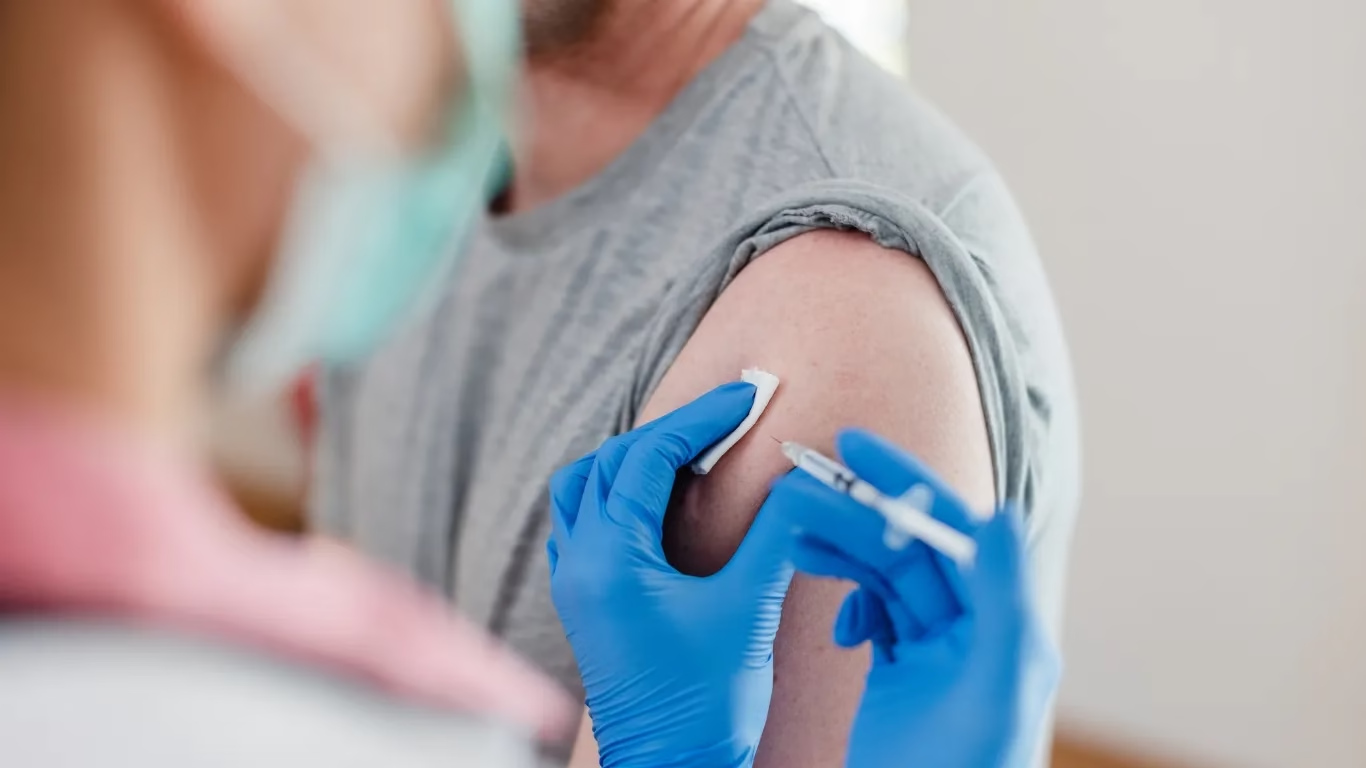
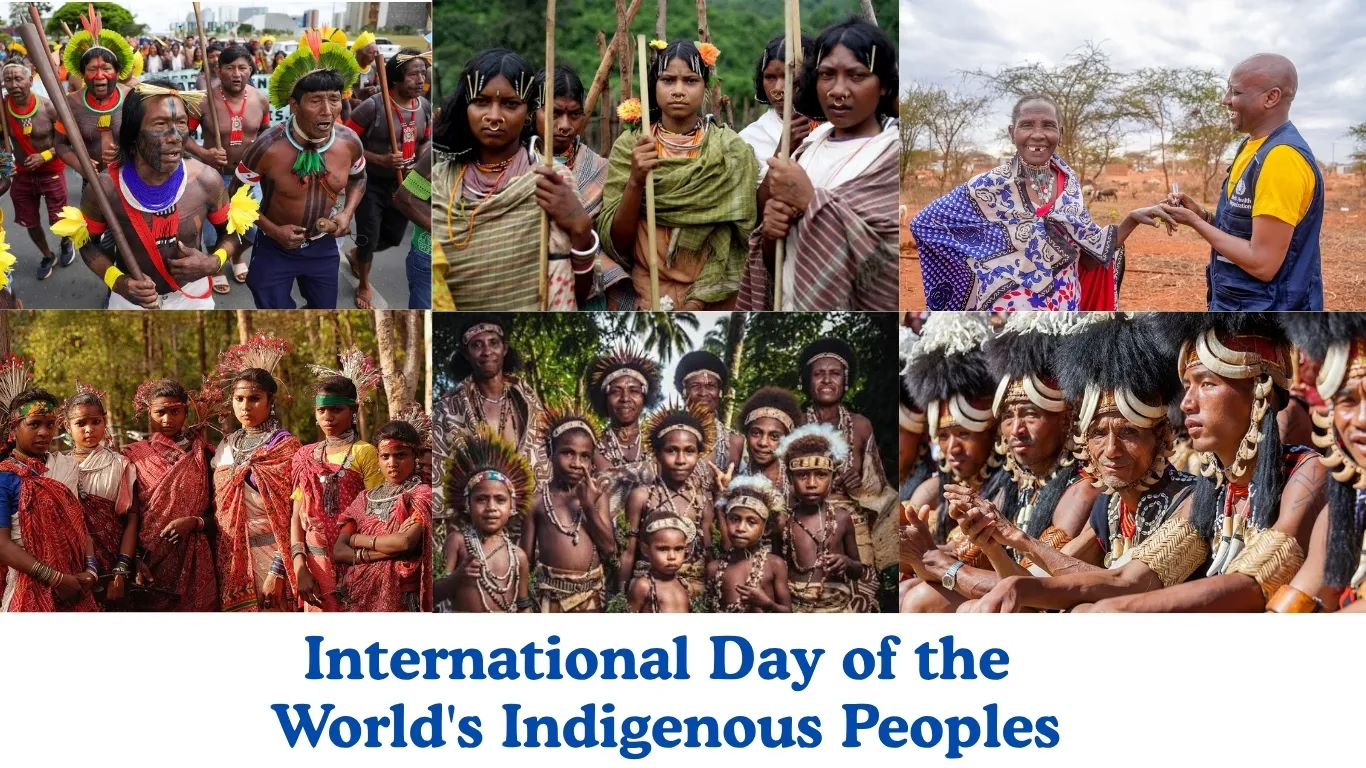
As the world observes the International Day of the World’s Indigenous Peoples, global attention is turning toward one of the most significant public health initiatives in recent years the development of the WHO Global Plan of Action for the Health of Indigenous Peoples (2027-2040).
Indigenous Peoples, estimated at 476.6 million worldwide, represent more than 6% of the global population and are present across every region of the world. They are custodians of rich cultural traditions, ancestral knowledge systems, biodiversity conservation practices, and holistic approaches to health and well-being. Yet despite their invaluable contributions to humanity, Indigenous communities continue to face some of the most profound health disparities globally.
A Holistic Understanding of Health
For Indigenous Peoples, health extends far beyond the absence of disease. It encompasses a balance between physical, mental, spiritual, cultural, environmental, and social well-being. Community relationships, connection to ancestral lands, traditional medicine, and harmony with nature are central to their understanding of health.
This holistic worldview differs significantly from conventional healthcare models and highlights the importance of culturally responsive health systems that respect Indigenous knowledge and practices.
Persistent Health Inequities
Available global evidence paints a concerning picture. Indigenous Peoples often experience:
- Life expectancy up to 20 years lower than non-Indigenous populations.
- Higher rates of maternal and infant mortality.
- Increased prevalence of chronic and communicable diseases.
- Greater disability burden and reduced quality of life.
- Limited access to healthcare services due to geographic, economic, cultural, and systemic barriers.
A major challenge remains the lack of ethnicity-disaggregated health data, which often masks the true extent of health inequalities and limits evidence-based policymaking.
Regional Health Challenges
Africa
Indigenous communities face high levels of communicable diseases, maternal and infant mortality, inadequate healthcare infrastructure, forced displacement, and systemic discrimination.
Americas
Historical trauma, structural inequities, and discrimination contribute to high rates of chronic illness, mental health disorders, and poor maternal health outcomes.
South-East Asia
Maternal mortality, mental health concerns, workforce shortages, insufficient infrastructure, and lack of culturally competent services remain significant challenges.
Europe
Many Indigenous populations continue to experience chronic diseases, mental health issues, displacement, and loss of cultural identity.
Eastern Mediterranean
Limited data is available, but evidence suggests substantial economic, cultural, and geographic barriers to accessing healthcare.
Western Pacific
Large gaps in life expectancy, chronic disease burdens, maternal and child health disparities, and intergenerational trauma continue to impact Indigenous communities.
Landmark WHO Resolution
Recognizing these challenges, the 76th World Health Assembly adopted Resolution WHA76.16 on the Health of Indigenous Peoples in May 2023.
The resolution requested the WHO Director-General to develop a comprehensive Global Plan of Action for the Health of Indigenous Peoples, emphasizing:
- A life-course approach to health.
- Reproductive, maternal, newborn, child, and adolescent health.
- Focus on vulnerable populations.
- Respect for local contexts and Indigenous leadership.
- Collaboration with governments, Indigenous Peoples, UN agencies, civil society, and academia.
The initiative is being led by WHO’s Department of Gender, Rights, Equity and Sexual Misconduct Prevention.
Global Plan of Action 2027–2040: A Roadmap for Change
The recently released Third Draft (July 2026) of the Global Plan of Action outlines a long-term framework aimed at addressing health inequities and promoting Indigenous health rights through 2040.
Key priorities include:
- Strengthening culturally safe and inclusive healthcare systems.
- Improving access to quality health services.
- Integrating traditional knowledge and Indigenous health practices where appropriate.
- Expanding Indigenous participation and leadership in health governance.
- Enhancing data collection and health monitoring.
- Addressing social determinants of health, including land rights, education, housing, and economic opportunities.
Extensive Global Consultations
The development process has been one of the most inclusive consultations undertaken by WHO in recent years.
Major milestones include:
- Evidence review conducted with Indigenous and non-Indigenous researchers.
- National consultations across multiple countries between 2024 and 2026.
- Seven global hearings with Indigenous health leaders and organizations in March 2026.
- Regional consultations across all six WHO regions.
- Discussions at the United Nations Permanent Forum on Indigenous Issues.
- Inputs from Member States, UN agencies, academia, civil society, and Indigenous experts.
The third draft was released in July 2026, with public comments invited until 24 August 2026.
The Road Ahead
The consultation process will continue through late 2026, culminating in a fourth draft before submission to WHO governing bodies.
The final Global Plan of Action is scheduled for consideration by the 160th Session of the WHO Executive Board in January 2027 and subsequently by the 80th World Health Assembly in May 2027.
Why This Matters
The International Day of the World’s Indigenous Peoples serves as a reminder that health equity cannot be achieved without addressing the unique needs, rights, and perspectives of Indigenous communities.
The WHO Global Plan of Action represents more than a policy framework it is an opportunity to transform health systems, recognize Indigenous leadership, preserve traditional knowledge, and ensure that Indigenous Peoples are no longer left behind in global health progress.
As the world moves toward the 2030 Sustainable Development Goals and beyond, the success of this initiative will be measured not only by policies adopted but by tangible improvements in the health, dignity, and well-being of Indigenous Peoples everywhere.