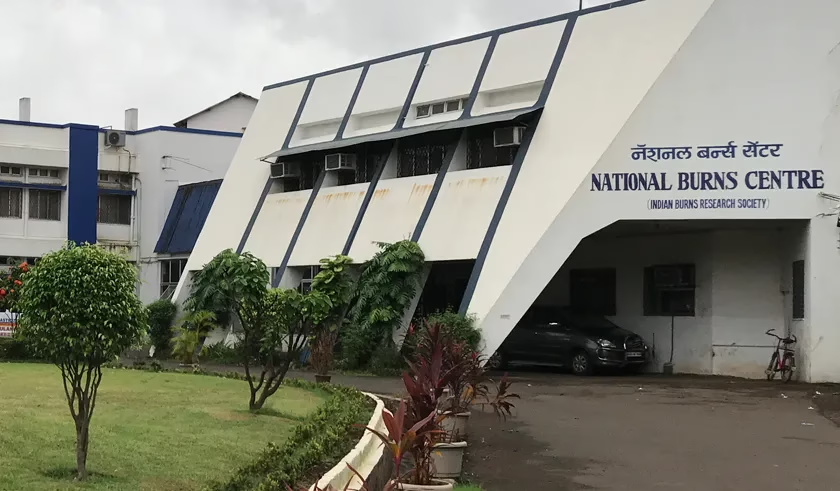
National Burns Centre has raised serious concerns over the severe shortage of skin donations in India stating that it receives only about 25% of the skin donations required each month to meet the needs of burn patients. The shortage continues to affect the treatment and recovery of thousands of patients suffering from severe burn injuries across the country.
According to experts at the centre skin donation plays a crucial role in the treatment of patients with major burns. Donated skin is primarily used as a temporary biological dressing that helps reduce pain, prevent infections, minimize fluid loss and improve the chances of survival until the patient’s own skin regenerates or grafting procedures can be performed. However despite its importance awareness regarding skin donation remains extremely low in India.
Doctors and healthcare professionals noted that many people are unaware that skin can be donated after death, similar to organ donation. In most cases, skin is retrieved from the thighs, legs and back of deceased donors within a few hours after death without causing disfigurement to the body. The process is considered safe, respectful and does not interfere with funeral practices.
The shortage of skin donations has become especially concerning due to the increasing number of burn injury cases reported annually in India including domestic accidents, industrial burns, fire incidents and acid attack cases. Medical experts emphasize that timely access to skin grafts can significantly improve patient recovery and reduce mortality.
The National Burns Centre has appealed to the public, healthcare institutions and policymakers to strengthen awareness campaigns and encourage voluntary skin donation. Experts believe that improving public education and integrating skin donation awareness into broader organ donation initiatives could help bridge the existing gap between demand and availability.