
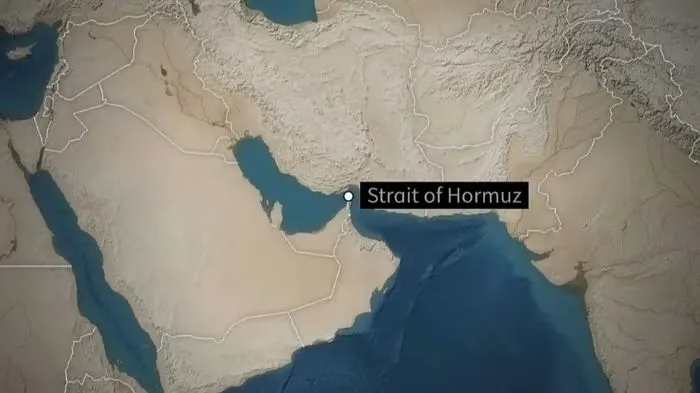
Rising geopolitical tensions around the Strait of Hormuz are beginning to impact India’s healthcare supply chain, with the medical devices industry warning of steep cost increases and possible shortages if disruptions continue.
According to the Association of Indian Medical Device Industry, input costs for essential raw materials like plastics have surged by nearly 50%, while gas prices used in manufacturing processes have doubled. This has significantly strained margins for critical consumables such as syringes and catheters.
Rajiv Nath, Forum Coordinator at AiMeD, noted that while short-term shipment delays of one to three weeks can be managed through existing inventories, prolonged disruptions could stall production and lead to shortages in hospitals.
The situation has worsened due to repeated price hikes in polymers by domestic suppliers, particularly Reliance Industries Limited. Since early March, prices of polypropylene (PP), polyethylene (PE), and PVC have seen sharp increases, with costs rising by tens of thousands of rupees per metric tonne.
Industry stakeholders have flagged concerns over what they describe as opportunistic pricing, warning that such volatility could push up healthcare costs and disrupt supplies of essential medical consumables.
Despite mounting pressure, some manufacturers are absorbing the cost increases for now. Nath highlighted that companies like HMD are avoiding immediate price hikes for patients by relying on lower-cost inventory, although this may not be sustainable if costs continue to climb.
Further compounding the issue is the inverted GST structure, where manufacturers pay 18% tax on inputs but can levy only 5% on finished products. This mismatch has resulted in the accumulation of unutilised input tax credits, tightening working capital.
The industry has urged the government to fast-track GST refunds within seven days, as previously promised, to ease liquidity pressures.
AiMeD warned that without timely intervention, the combined impact of rising costs, supply disruptions, and tax challenges could threaten over five lakh jobs, affect affordability, and undermine India’s self-reliance push under the Atmanirbhar Bharat initiative, including exports to major markets like the US and EU.