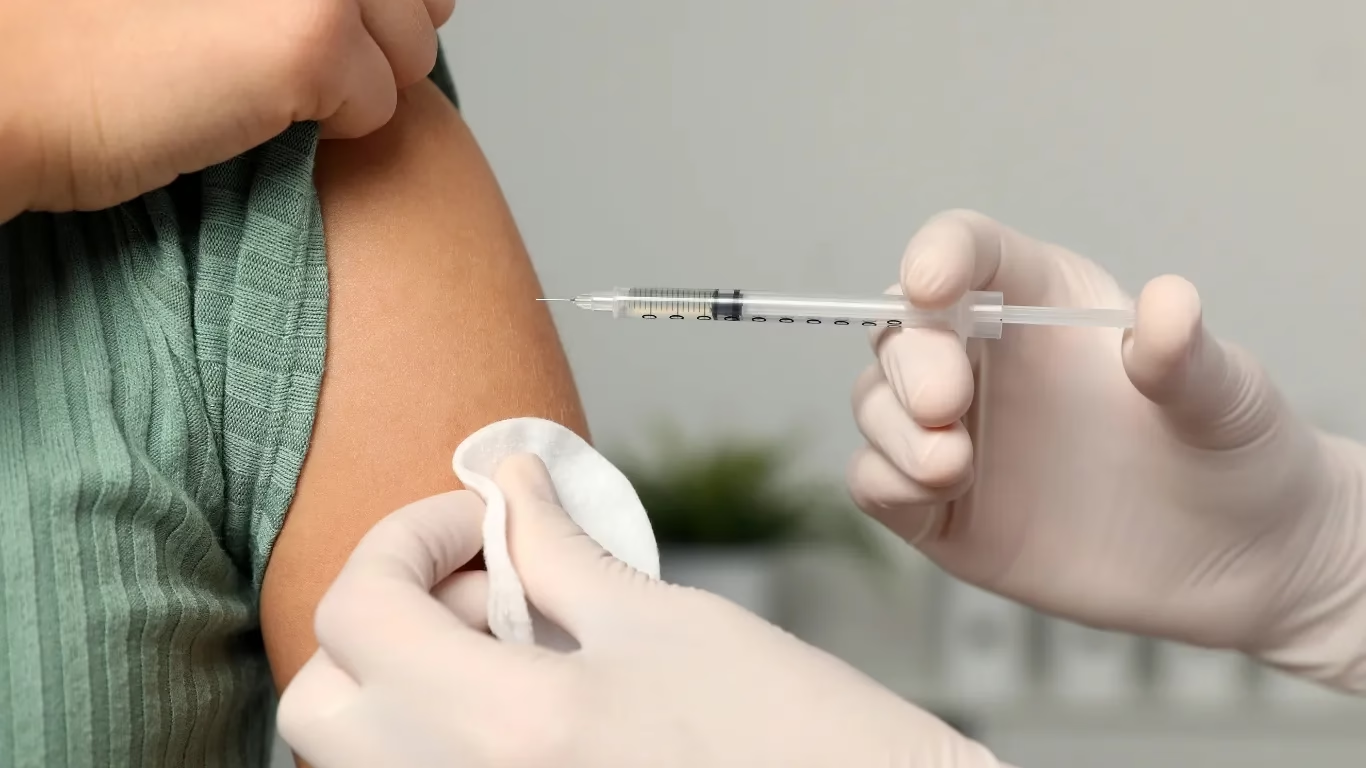

The detection of a counterfeit batch of Abhayrab, a rabies vaccine manufactured by government-owned Indian Immunologicals Limited (IIL), has highlighted concerns over India’s drug safety oversight after global regulators issued public warnings while domestic authorities remained silent.
The issue came to light following an advisory issued by Australia’s drug regulator on December 19, warning that fake versions of the rabies vaccine had been circulating in India since late 2023. The regulator cautioned that individuals who may have received the counterfeit vaccine might not be fully protected against rabies and advised replacement doses as a precaution.
Responding to the advisory, IIL said the problem was limited to a single counterfeit batch KA24014 purportedly manufactured in March 2024 and set to expire in February 2027. The company said the batch was identified internally in January this year, regulatory agencies were informed, and the product is no longer available for sale.
Rabies is a vaccine-preventable disease that is almost 100 per cent fatal without timely post-exposure treatment. Multiple doses of the vaccine are routinely administered after animal bites, making vaccine quality critical to public health.
Despite the seriousness of the issue, IIL described the Australian advisory as “over-cautious” and “misplaced.” However, doctors and public health experts pointed out that neither IIL nor India’s apex drug regulator, the Central Drugs Standard Control Organisation (CDSCO), issued any public advisory until overseas authorities flagged the issue.
“Many people bitten by dogs or cats may have taken the counterfeit version. They should have been informed so they could receive an effective vaccine,” Hyderabad-based paediatrician Dr Sivaranjini Santosh wrote on X.
Abhayrab accounts for nearly 40 per cent of India’s rabies vaccine market. The episode has renewed scrutiny of India’s drug recall framework, particularly the CDSCO’s non-binding recall guidelines, which place primary responsibility on manufacturers and lack clear enforcement and public communication mechanisms.
The Australian warning was followed by similar alerts from the US Centers for Disease Control and Prevention and a UK travel health authority. A review found no public alerts on the CDSCO or IIL websites, with the only documented communication being an internal alert shared with state regulators.
Responding to queries, IIL Managing Director Anand Kumar said the counterfeit batch was detected through internal vigilance systems and that regulatory authorities were informed to prevent further risk. He said wider public communication was handled by regulators as deemed necessary.
The Drug Controller General of India was contacted for comment. No response had been received at the time of publication.