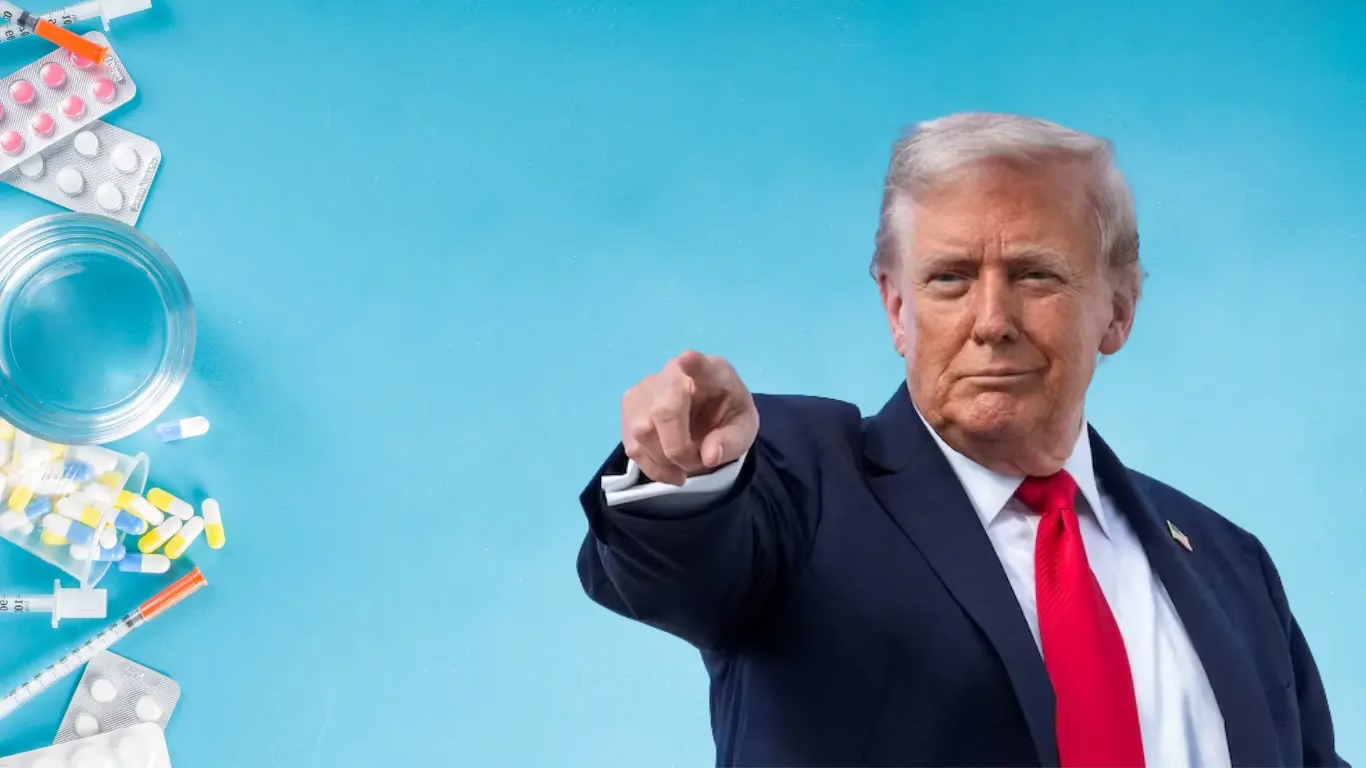
The Trump administration has held back for now on imposing steep new tariffs on imported pharmaceuticals, even as Donald Trump continues to warn drug makers of potential penalties if they resist reshoring production to the United States.
The tariffs, which came into effect from Wednesday (Oct 1), would have slapped a 100% levy on certain brand-name and patented medicines. But officials confirmed the plan remains under review, leaving the industry in a state of uncertainty.
The pause follows a high-profile White House meeting between Trump and Pfizer CEO Albert Bourla, where Bourla pledged to lower drug prices to so-called “Most Favoured Nation” levels. Trump has reportedly sent letters to at least 17 pharmaceutical CEOs, outlining demands that companies bring more manufacturing back to U.S. soil.
Trump first floated the tariff threat last week, framing it as a way to cut reliance on foreign supply chains and push companies to build plants in America. “The Commerce Department continues to evaluate pharmaceutical companies’ proposals to reshore manufacturing and reduce drug prices,” a senior official told CNN, emphasising that the tariff threat has not been abandoned.
If enacted, the levies could drive up costs for patients and hospitals dependent on overseas imports, analysts warn. They also risk igniting trade disputes and disrupting global supply networks. Supporters of the move, however, argue that it could spark a long-term shift toward domestic drug production, strengthening U.S. manufacturing while lowering prices over time.
For now, the delay buys both sides time. Pharmaceutical companies are lobbying furiously to avoid tariffs, while the White House keeps the threat alive as leverage in negotiations. Whether the administration ultimately moves ahead remains unclear, but one official summed it up bluntly: “The tariffs are still being worked on.”