Activist Sonam Wangchuk ended his 26-day hunger strike on July 23 night after receiving assurances from the Centre, bringing an end to a prolonged fast that had raised serious concerns over his health.
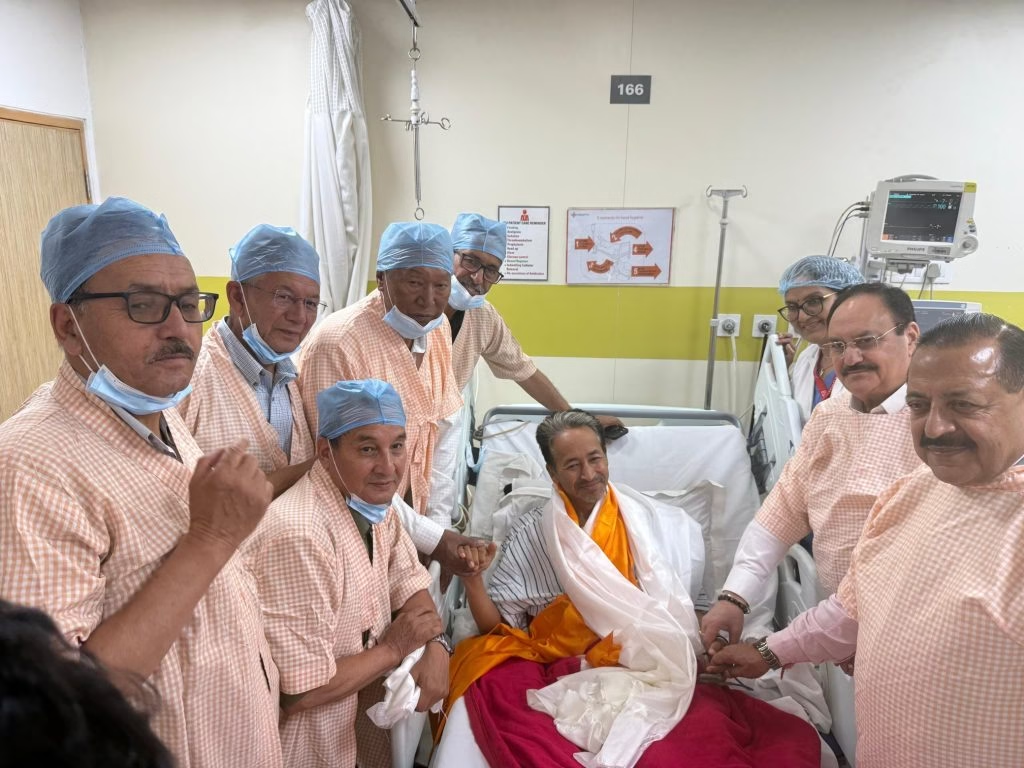
The hunger strike concluded at Medanta Hospital in Gurugram in the presence of Union Health Minister JP Nadda and Union Minister of State Dr Jitendra Singh, who handed over the government’s written assurances. Following the announcement, Wangchuk began receiving supervised medical care aimed at safely restoring his nutritional status.
Medanta: Condition Stable, Treatment Continues
According to an official statement from Medanta Hospital, Wangchuk remains stable, alert, and under continuous observation by a multidisciplinary team of doctors.
The hospital said his vital signs are within accepted parameters, and all treatment is being administered with his informed consent. Doctors are expected to closely monitor his recovery over the coming days, as patients ending prolonged fasts require gradual nutritional rehabilitation and careful management to avoid complications associated with refeeding.
Lost 11 Kilograms During Fast
A day before ending the strike, Wangchuk revealed that he had lost 11 kilograms during the 25 days of fasting and had experienced considerable muscle loss.
Despite the physical toll, he said he remained mentally strong while acknowledging the growing concern over his health. The prolonged fast had prompted his transfer from Delhi’s Safdarjung Hospital to Medanta Hospital following directions from the Delhi High Court to ensure advanced medical care.
Healthcare experts note that extended fasting can lead to dehydration, electrolyte imbalances, muscle wasting, weakened immunity, and metabolic complications, making structured medical supervision essential during recovery.
Government Prioritised Health
Sources indicated that Wangchuk’s deteriorating health became a key factor in the Centre’s decision to intensify dialogue. Senior ministers held multiple rounds of discussions before personally meeting the activist at Medanta Hospital to present the government’s assurances.
Prime Minister Narendra Modi also wished Wangchuk a speedy recovery, urging him to follow doctors’ advice and regain his lost weight as soon as possible.
Recovery Before Return to Public Life
After ending the fast, Wangchuk expressed his intention to return to Ladakh after recovering. He also said he would meet students and supporters before leaving, while encouraging peaceful engagement and maintaining faith in the ongoing dialogue process.
Medical experts believe that recovery after a nearly month-long fast may take several weeks, depending on nutritional rehabilitation, muscle recovery, and overall metabolic health. Doctors are expected to gradually reintroduce nutrition while monitoring his body’s response to minimise potential complications.
The conclusion of the hunger strike now shifts the focus from protest to recovery, with Wangchuk’s health expected to remain under close medical supervision until he is considered fit for discharge.